

Therapeutic garden design and the principles behind it

Adam White

Share this article

A therapeutic garden is not defined by a particular planting palette, piece of equipment or design style. Its value lies in what the landscape enables people to experience: movement, choice, independence, connection, participation, comfort and moments of quiet.

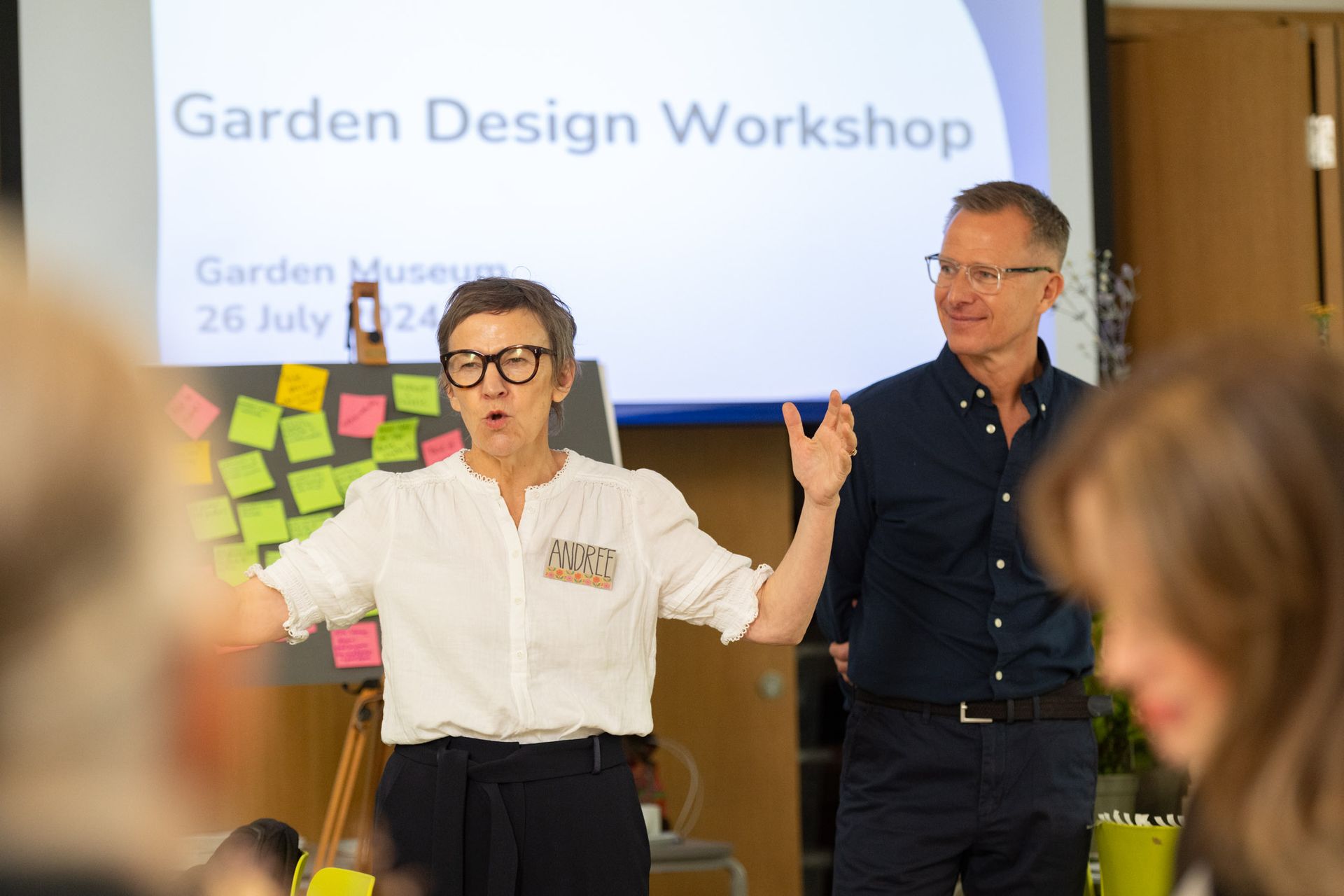
Andree Davies and Adam White facilitating a garden design workshop on behalf of Parkinson's UK in 2024.

What makes a landscape genuinely therapeutic?

There is no standard recipe for a therapeutic garden. It is not created simply by adding scented plants, raised beds, accessible paths and somewhere quiet to sit. Those things may all have a role, but the value of a therapeutic landscape lies less in the individual elements it contains and more in what the landscape enables people to experience: greater independence, movement, participation, connection, comfort, choice and moments of calm.


The relationship between nature and human wellbeing is well established. Research into biophilia, stress reduction and attention restoration helps explain something many of us recognise instinctively: stepping outside, sitting beneath a tree, hearing birdsong or watching plants move in the breeze can influence how we feel. Therapeutic landscape design takes that understanding further by deliberately shaping outdoor environments around physical, psychological and social wellbeing.


That immediately changes the way a garden is approached. Instead of beginning with a list of features, the starting point becomes the people who will use the landscape and the different experiences they may need from it.

Designing for choice, control and independence

Choice is one of the most important qualities a therapeutic landscape can provide. One person may want to take part in gardening or physical activity, another may want to spend time with family or friends, while somebody else may simply want to watch wildlife or find a quiet place away from other people. Those needs may also change from one day to the next.


A well-designed landscape therefore avoids prescribing a single way of using the garden. It provides a range of possibilities and allows people to decide for themselves. Connected garden rooms can help create that diversity, with some spaces feeling open and sociable while others are quieter, more intimate or sheltered. Changes in planting, enclosure, views, shade and sound can give each space its own character without losing the sense of one coherent landscape.


This is also where accessibility needs to mean more than physical compliance. A person may technically be able to enter a garden and still be unable to experience much of it independently. Good therapeutic design considers how confidently someone can move around, whether they can choose where to go, find somewhere comfortable to rest, participate in activities and understand the landscape without unnecessary assistance. Accessibility is at its most meaningful when it supports dignity, confidence and independence.

The journey is part of the experience

Paths are often treated as the means of getting from one place to another, but in a therapeutic landscape the journey itself can have value. Routes can support rehabilitation, exercise, conversation, observation and discovery, while different route lengths can allow people to build confidence or physical ability gradually.


The practical requirements remain fundamental. Surfaces should be firm and comfortable, routes generous and legible, and resting places provided at appropriate intervals. Wheelchair users and people using mobility equipment need sufficient turning and passing space, while supportive seating, shade and shelter can determine whether somebody feels able to venture further into a garden.


Yet good circulation is about more than dimensions. A glimpse of planting beyond a corner, the gradual transition from an open space into somewhere more enclosed, a seat positioned towards a view or a change in canopy overhead can encourage curiosity and movement. The landscape needs enough clarity for people to feel secure, but enough variation to provide interest and discovery. That balance between confidence and exploration is particularly important in places intended to support recovery and wellbeing.


Let nature do the work

Planting should not be treated as decoration added once the layout has been resolved. In a therapeutic landscape it is often the element doing much of the work.


Trees provide shade, shelter and seasonal change. Plants introduce scent, texture, movement and colour, while habitat planting can bring birds, insects and other wildlife into everyday experience. Edible plants and opportunities to grow things can provide participation, memory and purpose. Perhaps most importantly, living landscapes never remain completely static. New growth appears, flowers open, fruit develops, leaves change and wildlife comes and goes, giving people small reasons to notice the garden again and again.


Sensory design, however, should not be confused with simply adding more stimulation. For some people, particularly those living with neurological conditions, dementia, visual impairment or sensory processing differences, excessive contrast, glare, noise or visual clutter can be tiring or confusing. A therapeutic landscape can be richly sensory while still feeling calm, coherent and predictable. Sometimes restraint is every bit as important as stimulation.


Water illustrates that balance particularly well. Its movement and sound can create interest, provide a focal point and help mask intrusive background noise, but its location, volume, accessibility and maintenance all require careful consideration. The same is true of lighting, paving, planting and furniture. Almost any landscape element can support wellbeing when it is considered in relation to the people using it, and almost any element can become a barrier when it is introduced without understanding their needs.

Designing with people

This is why co-design is so important, and why we facilitate and lead dedicated garden design workshop days to help shape a clear set of Design Principles. Residents, patients, families, therapists, carers, staff and maintenance teams may all experience the same landscape differently, and each group holds knowledge that the designer cannot gain from a site survey alone.


Someone using a wheelchair may understand where apparently minor changes in level become difficult. A therapist may recognise opportunities for movement or rehabilitation that are not immediately obvious. Care staff may know which areas feel uncomfortable or difficult to supervise, while maintenance teams understand what can realistically be sustained over the long term. Families may identify the importance of somewhere private and comfortable simply to spend time together.


Listening to those perspectives changes the brief. The conversation moves away from deciding which features a therapeutic garden ought to contain and towards understanding the experiences the landscape needs to support, together with the physical, emotional or practical barriers that currently prevent them.


That distinction matters because there is no universal therapeutic garden. A space designed around one community, condition or care setting may be entirely inappropriate for another. The strongest landscapes respond to their particular users, setting and purpose while drawing on broader principles of nature connection, accessibility, choice, movement, sensory experience and social wellbeing.

The measure of success

The real test of a therapeutic landscape comes after the drawings are finished and the garden has opened. Its success is found in whether people choose to use it, whether they stay outside for longer, whether movement becomes easier or more appealing, whether people find opportunities to participate and connect, and whether there are also places where somebody can simply be quiet and observe the changing landscape around them.


Maintenance is part of that success too. Gardens mature, plants compete, trees grow, surfaces weather and patterns of use change. A therapeutic landscape therefore needs to be designed not only for opening day, but for how it will function and feel several years later. The ability to adapt, evolve and continue supporting the people who use it is part of good design.


Perhaps that is what ultimately distinguishes therapeutic landscape design. It is not a special collection of plants, equipment or features. It is the careful consideration of ordinary landscape elements around human need, using paths, trees, planting, seating, views, shelter, activity and nature to create environments in which people can feel more comfortable, confident, connected and independent.


And that leaves one question worth carrying into every project:

What could this landscape enable someone to do, feel or experience that they cannot do today?


If you have a project in mind, or simply want to learn more about our stakeholder engagement process, design workshops and experience of taking projects from early concept through to delivery, we would be very happy to talk. Our involvement can extend well beyond design, from helping to build the case for investment and supporting fundraising applications through to navigating the statutory consents and approvals that many landscape projects require.

Contact Us

Recent Posts

By By Adam White August 17, 2026
Family, nature and the simple joy of swimming in the sea with Watson … the moments that become the memories we carry with us.
By By Adam White July 23, 2026
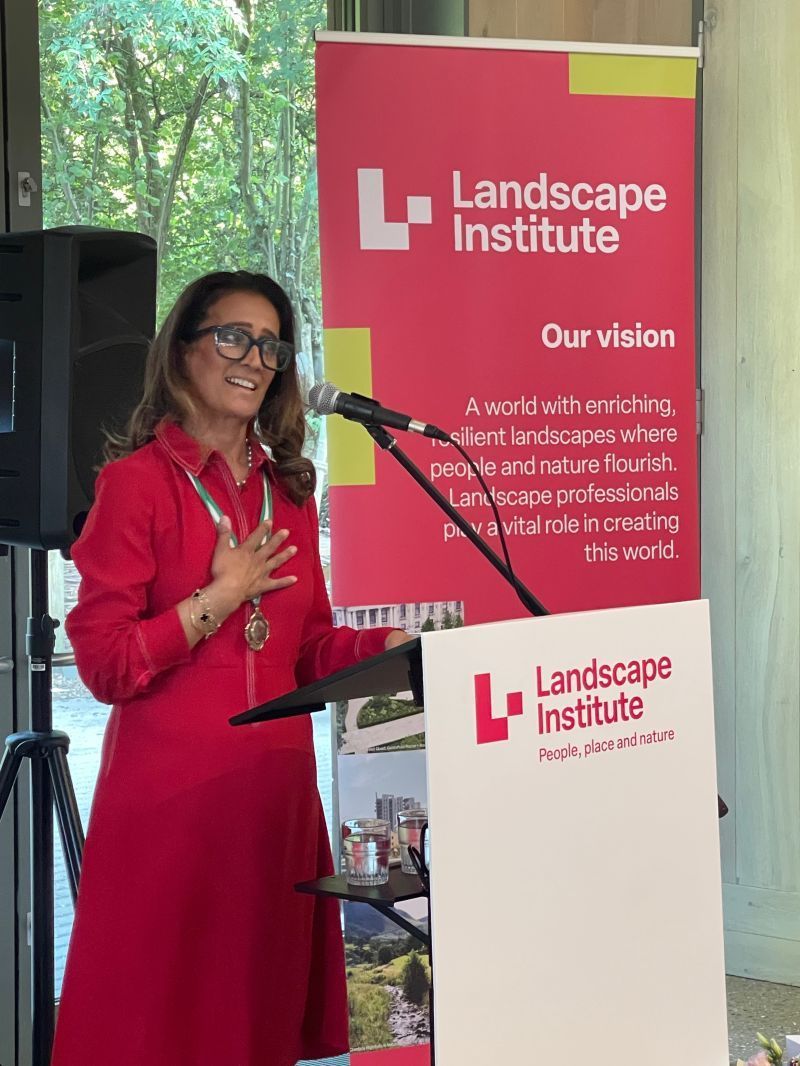
This week, I attended the Landscape Institute President’s Reception at Camley Street Natural Park, where Carolin Göhler FLI formally handed over the presidency to Dr Saira Ali FLI.
By Adam White July 14, 2026
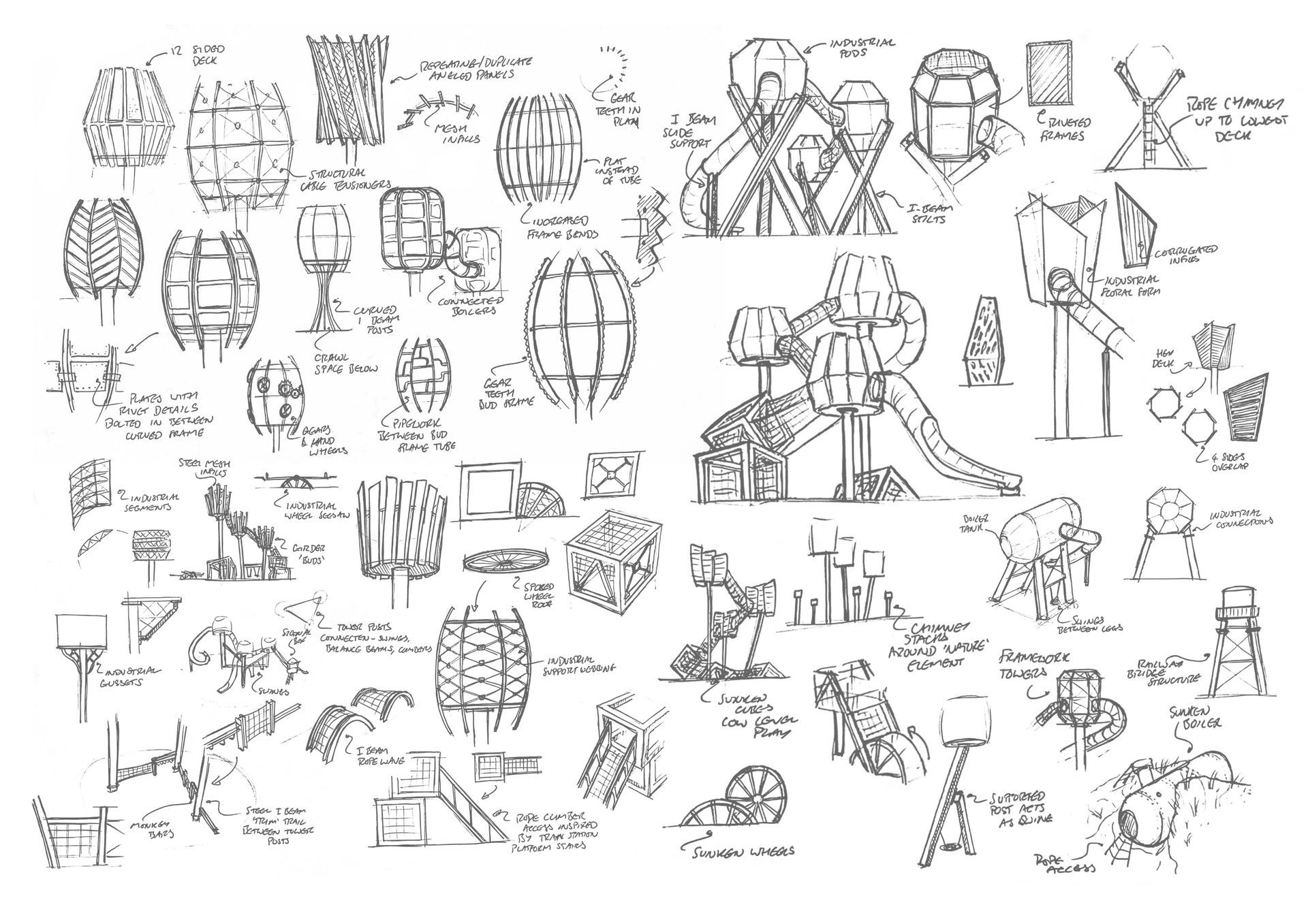
The best public spaces and places are created where creativity, craftsmanship and community come together.
Carol Klein's approach to climate-resilient and drought-tolerant gardens revolves around selecting
By By Adam White July 13, 2026
The future of planting design isn't about finding a handful of "climate-proof" plants. It's about creating resilient plant communities that work with nature, support biodiversity and continue to thrive as our climate changes.
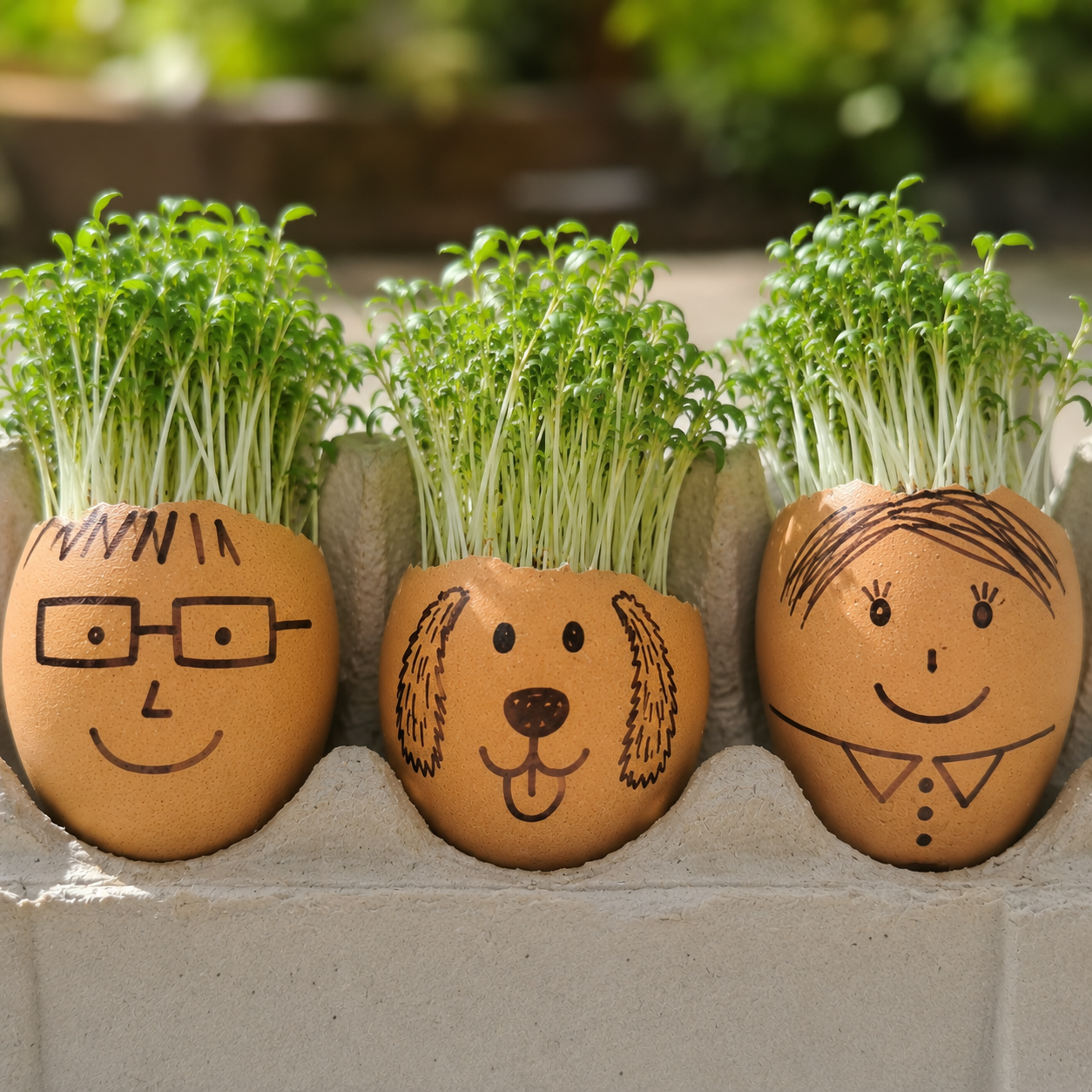
Every great growing space starts with a single seed.
Celebrate the launch of Growing Spaces!
By From Davies White July 3, 2026
To celebrate the publication of Growing Spaces we'd be delighted to send you a copy, together with a packet of Grow Happy cress seeds.
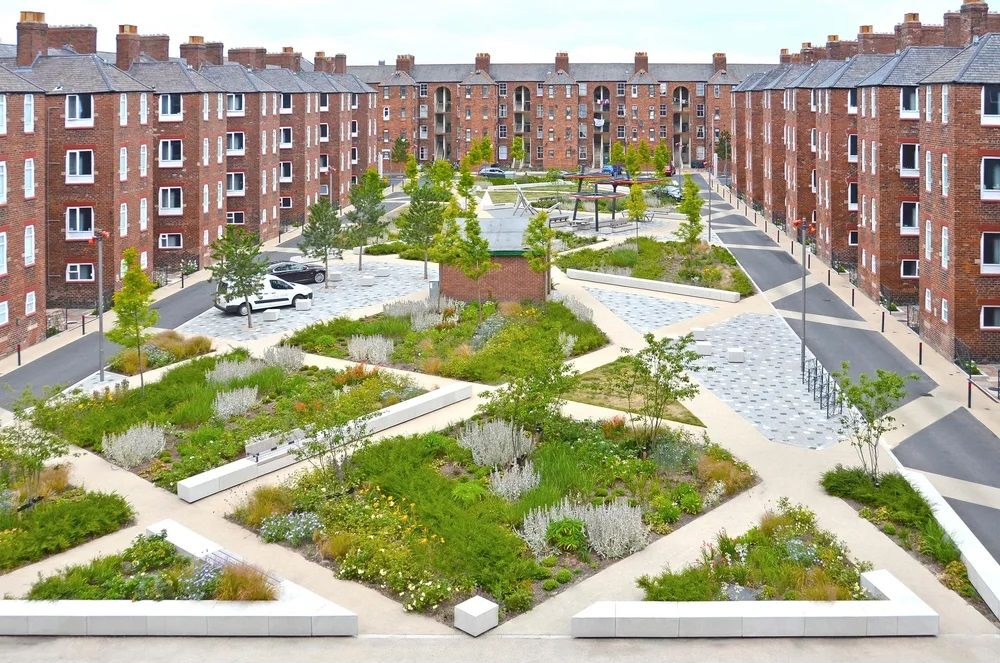
Green space, clean air and community lead the wish list for new homes.
By From the Landscape Institute June 30, 2026
The landscape at Maritime Streets has changed perceptions – kick-starting the renewal of one of the country’s most deprived areas.

Tim Upson is to step down as Director of Gardens and Horticulture at the Royal Horticultural Society
By Adam White June 24, 2026
Tim Upson is to step down as Director of Gardens and Horticulture at the Royal Horticultural Society (RHS), ending a 12-year tenure as the charity’s longest-serving Director of Horticulture.

By Adam White June 22, 2026
Why This Matters As climate change, water scarcity, flooding, overheating and biodiversity loss reshape the way places are designed, landscape has become critical infrastructure. Gardens, green spaces, streetscapes, green corridors and country parks are no longer simply amenities. They help manage water, support biodiversity, improve health and wellbeing, create opportunities for play and strengthen community identity.  At the same time, homebuyers increasingly value access to nature, attractive green spaces, wildlife, shade and outdoor living. The Climate Resilient Communities Standard™ is being developed to help developers, planners and communities better understand, measure and demonstrate the value of high-quality gardens, landscapes and green infrastructure within new housing developments.

Sarah Eberle FLI FSGLD and Dr Juliet Sargeant FLI FSGLD both appointed MBE
By Adam White June 13, 2026
Sarah Eberle FLI FSGLD and Dr Juliet Sargeant FLI FSGLD both appointed Members of the Order of the British Empire (MBE) for services to horticulture.
Modern garden with circular stone benches, a perforated metal sculpture, and lush greenery and flowers
By By Adam White FLI PPLI June 1, 2026
Few events occupy such an important place in the horticultural and landscape calendar as the RHS Chelsea Flower Show. Held annually in the grounds of the Royal Hospital Chelsea, the show attracts designers, landscape architects, contractors, growers, suppliers, charities, sponsors, journalists and visitors from around the world. For members of the Landscape Institute, Chelsea holds an even deeper significance.
Show More