
Can a Packet of Cress Seeds Inspire a Lifelong Love of Nature?

From Davies White

Share this article

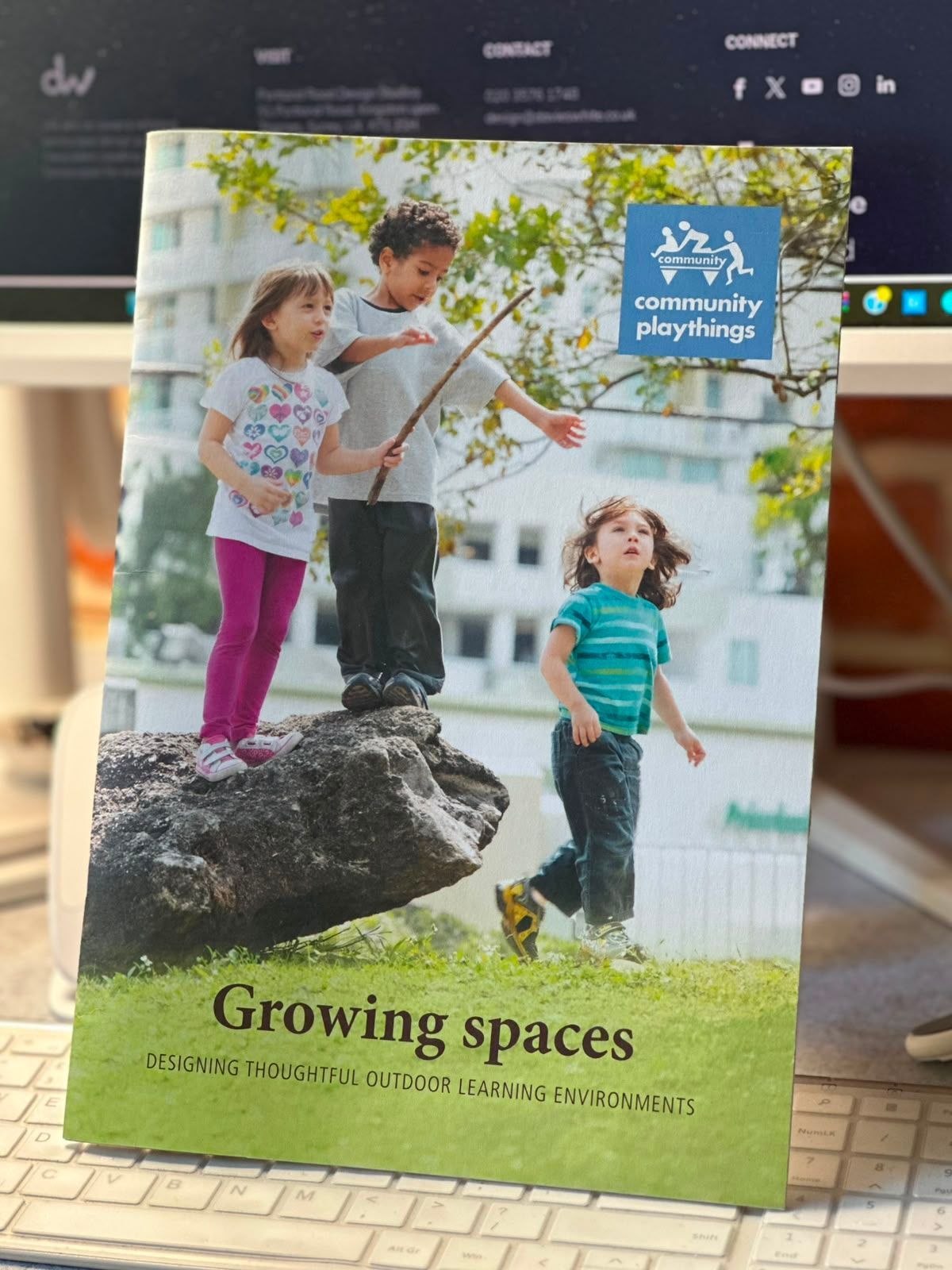
Celebrating the launch of 'Growing Spaces' – our new guide to designing inspiring outdoor learning environments.

Five minutes to to sow, five days to grow. There is something quietly magical about watching a seed grow.

Long before children understand words like biodiversity, sustainability or climate resilience, they understand the excitement of discovering the first tiny green shoot pushing through the soil. They learn that living things need care, patience and time.

They begin to notice the changing seasons, the insects that arrive, the weather that helps or hinders, and the satisfaction of nurturing something from seed to harvest. These simple experiences are often the beginning of something much bigger. They nurture curiosity, build confidence and encourage a lifelong connection with nature.


Those ideas lie at the heart of a new publication from Community Playthings, Growing Spaces – Designing Thoughtful Outdoor Learning Environments, co-authored by Davies White and Clare Devlin, an education consultant specialising in outdoor learning. The publication explores how thoughtfully designed outdoor environments can enrich learning, improve wellbeing and inspire children to discover the world around them through play, exploration and nature.

Why cress?

Inspired by the publication, we've launched the Grow Happy Cress Challenge. It isn't really about growing cress. It's about giving someone their very first success as a gardener. It might be a child sowing seeds in an eggshell, a family sharing egg and cress sandwiches at the weekend, or colleagues growing microgreens on an office windowsill. Whatever the setting, the experience is the same: taking five minutes to sow a handful of seeds and discovering, just a few days later, that something wonderful has happened. We hope that small moment becomes the beginning of a lifelong love of nature


Cress (Lepidium sativum) is one of the easiest and quickest edible plants you can grow all year round. Whether you're five or ninety-five, all you need is a handful of seeds, a little moisture and a bright windowsill. In just 5–7 days, you'll be harvesting fresh, peppery leaves to add to sandwiches, salads and soups.


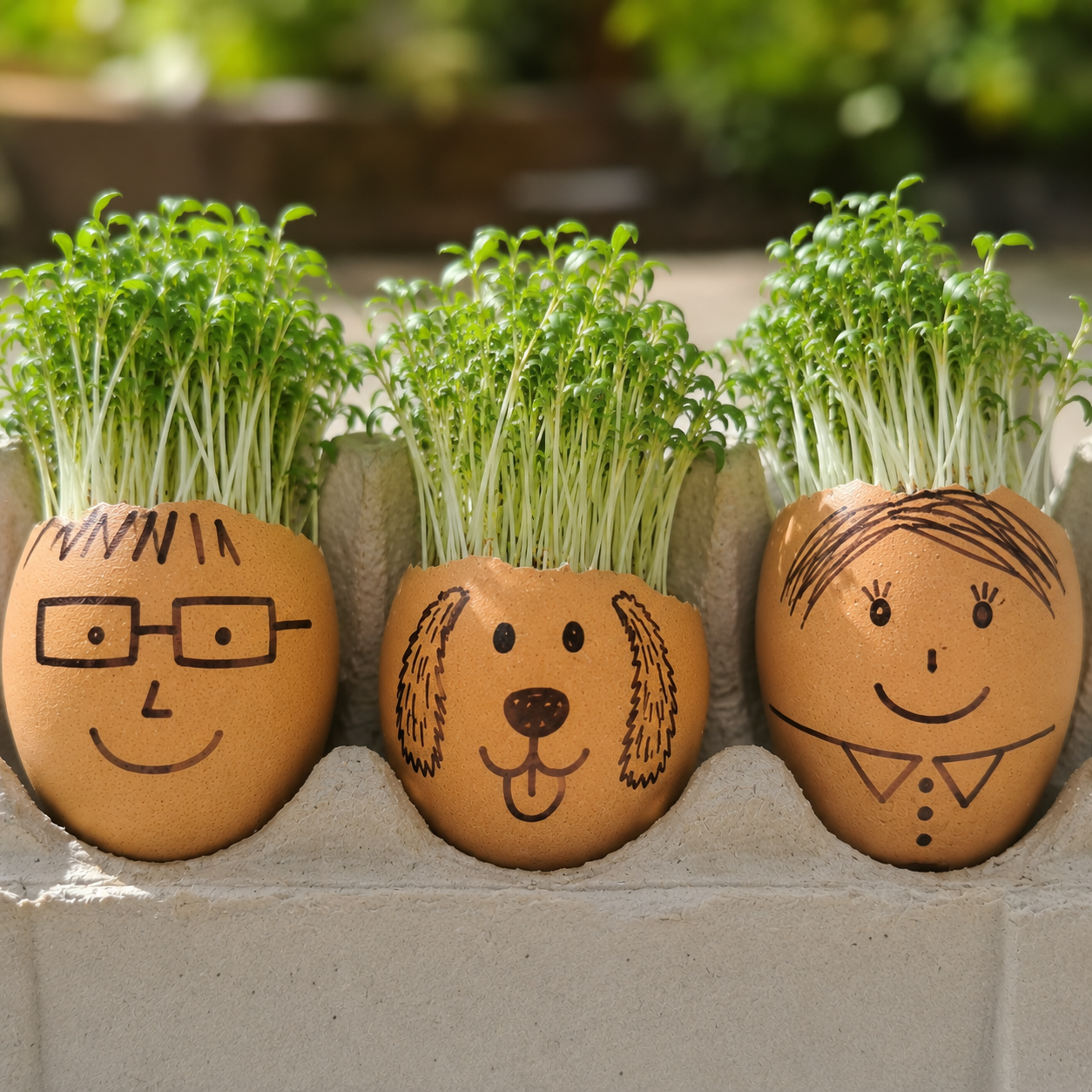
Cress is the perfect first growing project for any beginner because success comes so quickly. It can be grown on damp kitchen towel, cotton wool or compost, making it ideal for homes, schools and workplaces where space is limited. Children especially love creating 'Cress Heads' using eggshells, yoghurt pots or recycled containers, watching their funny green 'hair' appear in just a few days.


For those more interested, cress is one of a family of edible microgreens, alongside rocket, pak choi and radish. Packed with flavour, vitamins and antioxidants, these miniature vegetables prove you don't need a garden to enjoy growing your own food. Just a sunny windowsill is enough to produce a delicious home-grown harvest and perhaps inspire a lifelong love of nature.

How to grow your cress

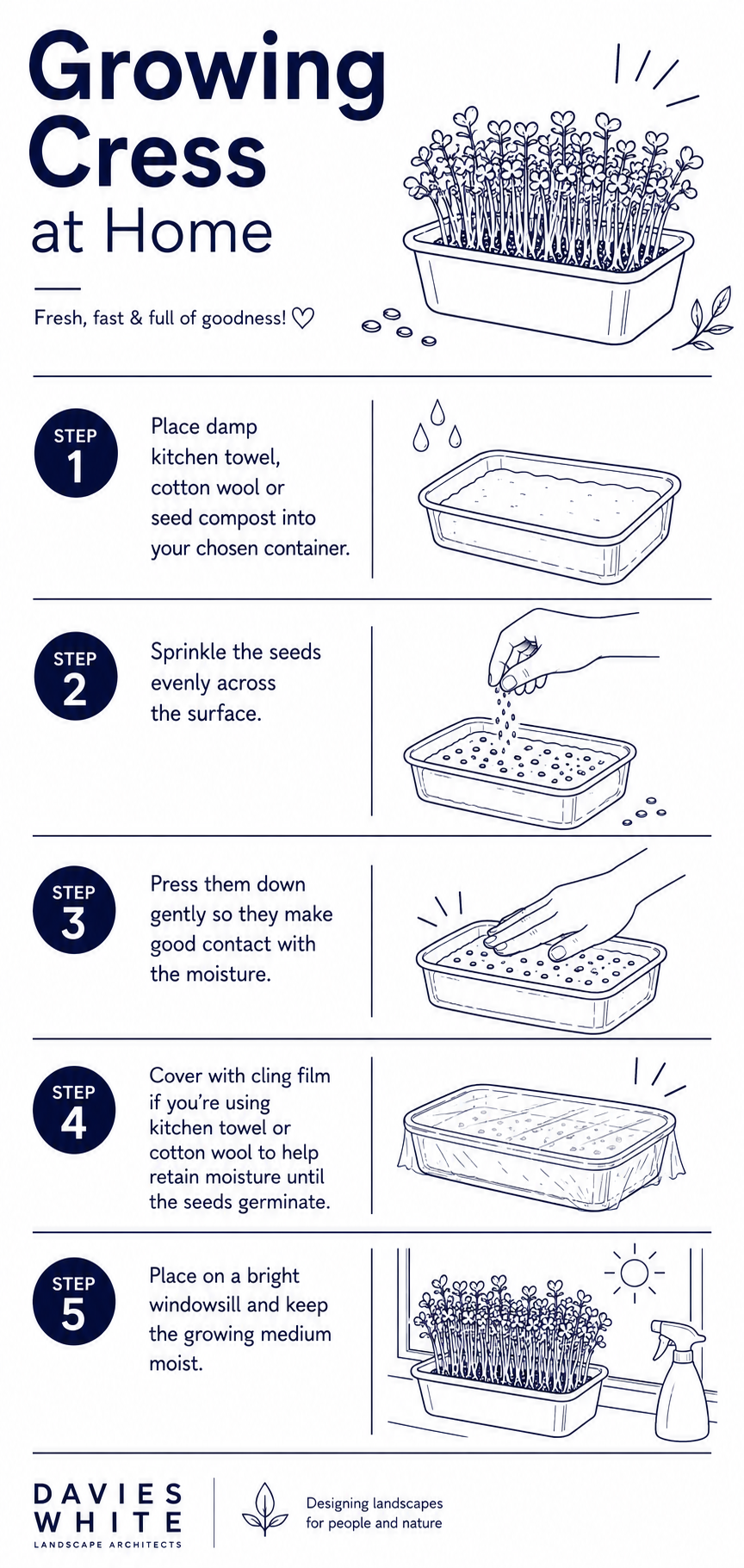
Growing cress couldn't be easier. Whether you're using a flower pot, a yoghurt pot, an eggshell or simply a saucer lined with damp kitchen towel, success is only a few days away.


  • Your Grow Happy cress seeds
  • A shallow tray, saucer or recycled container
  • Damp kitchen towel, cotton wool or seed compost
  • A bright windowsill
  • A little water


Within 24 hours you'll usually see the first signs of germination. After 5–7 days, your cress is ready to harvest and enjoy in sandwiches, salads, soups or sprinkled over a baked potato. If left to grow for around a month in compost, cress will continue producing larger leaves before eventually flowering.


Fresh cress has a peppery flavour and is delicious in:

  • Egg & cress sandwiches
  • Cream cheese bagels
  • Mixed salads
  • Omelettes
  • Soups
  • Jacket potatoes

Your Free Copy of Growing Spaces

To celebrate the launch of Growing Spaces – Designing Thoughtful Outdoor Learning Environments, we'd love to send you a complimentary printed copy, together with a packet of FREE Grow Happy seeds.

Simply complete the short form with your name, postal address and tell us a little about your outdoor project or aspirations. We'll pop everything in the post while stocks last.

Contact Us

Recent Posts

Green space, clean air and community lead the wish list for new homes.
By From the Landscape Institute June 30, 2026
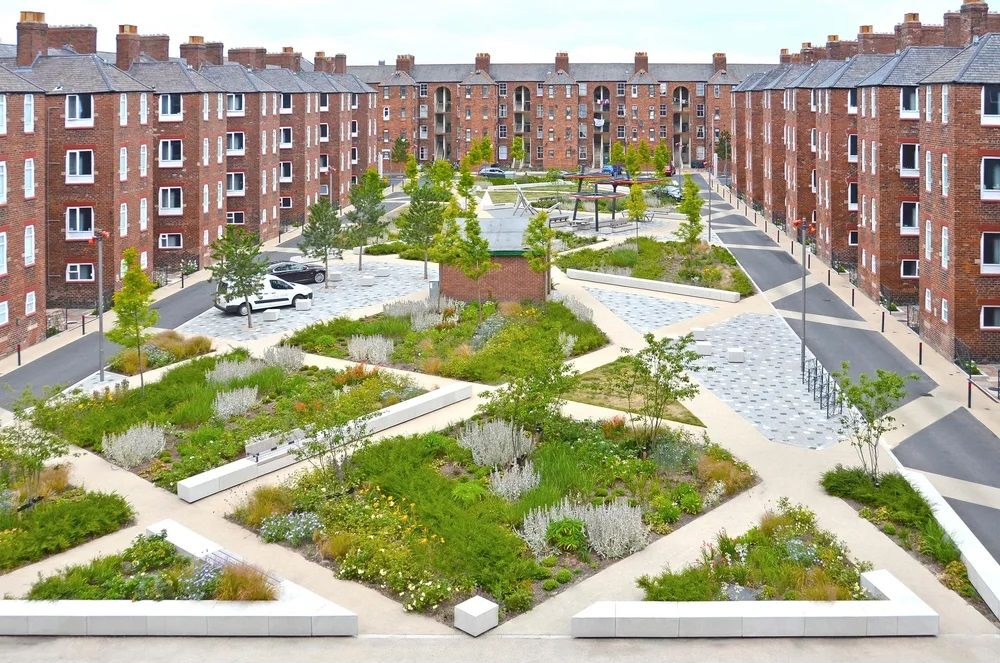
The landscape at Maritime Streets has changed perceptions – kick-starting the renewal of one of the country’s most deprived areas.

Tim Upson is to step down as Director of Gardens and Horticulture at the Royal Horticultural Society
By Adam White June 24, 2026
Tim Upson is to step down as Director of Gardens and Horticulture at the Royal Horticultural Society (RHS), ending a 12-year tenure as the charity’s longest-serving Director of Horticulture.

By Adam White June 22, 2026
Why This Matters As climate change, water scarcity, flooding, overheating and biodiversity loss reshape the way places are designed, landscape has become critical infrastructure. Gardens, green spaces, streetscapes, green corridors and country parks are no longer simply amenities. They help manage water, support biodiversity, improve health and wellbeing, create opportunities for play and strengthen community identity.  At the same time, homebuyers increasingly value access to nature, attractive green spaces, wildlife, shade and outdoor living. The Climate Resilient Communities Standard™ is being developed to help developers, planners and communities better understand, measure and demonstrate the value of high-quality gardens, landscapes and green infrastructure within new housing developments.

Sarah Eberle FLI FSGLD and Dr Juliet Sargeant FLI FSGLD both appointed MBE
By Adam White June 13, 2026
Sarah Eberle FLI FSGLD and Dr Juliet Sargeant FLI FSGLD both appointed Members of the Order of the British Empire (MBE) for services to horticulture.
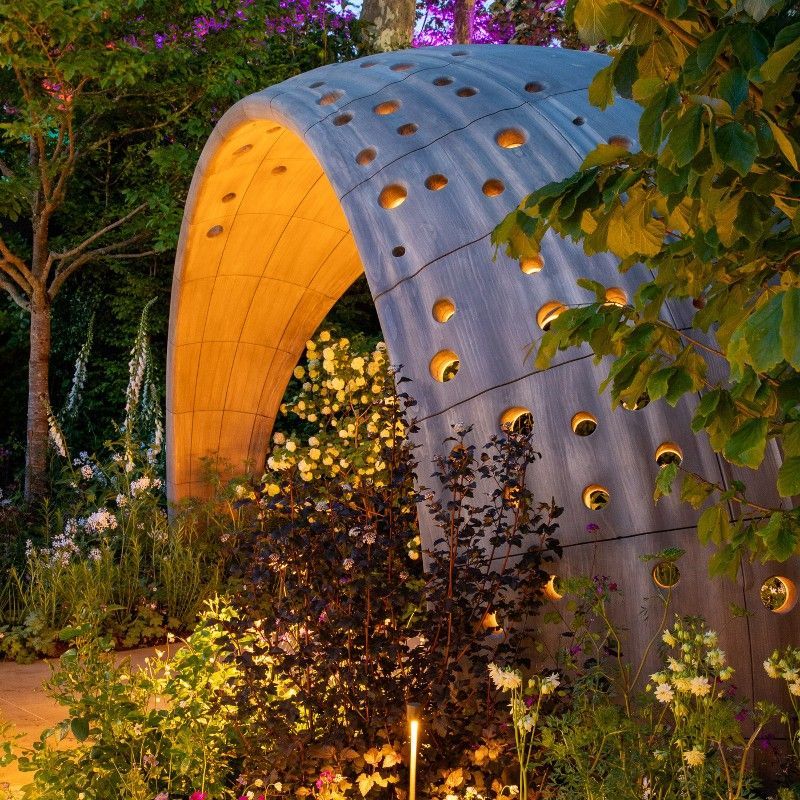
Modern garden with circular stone benches, a perforated metal sculpture, and lush greenery and flowers
By By Adam White FLI PPLI June 1, 2026
Few events occupy such an important place in the horticultural and landscape calendar as the RHS Chelsea Flower Show. Held annually in the grounds of the Royal Hospital Chelsea, the show attracts designers, landscape architects, contractors, growers, suppliers, charities, sponsors, journalists and visitors from around the world. For members of the Landscape Institute, Chelsea holds an even deeper significance.
Davies White & Community Playthings | Early Years Outdoor Learning Design for Schools and Nurseries
By Adam White May 14, 2026
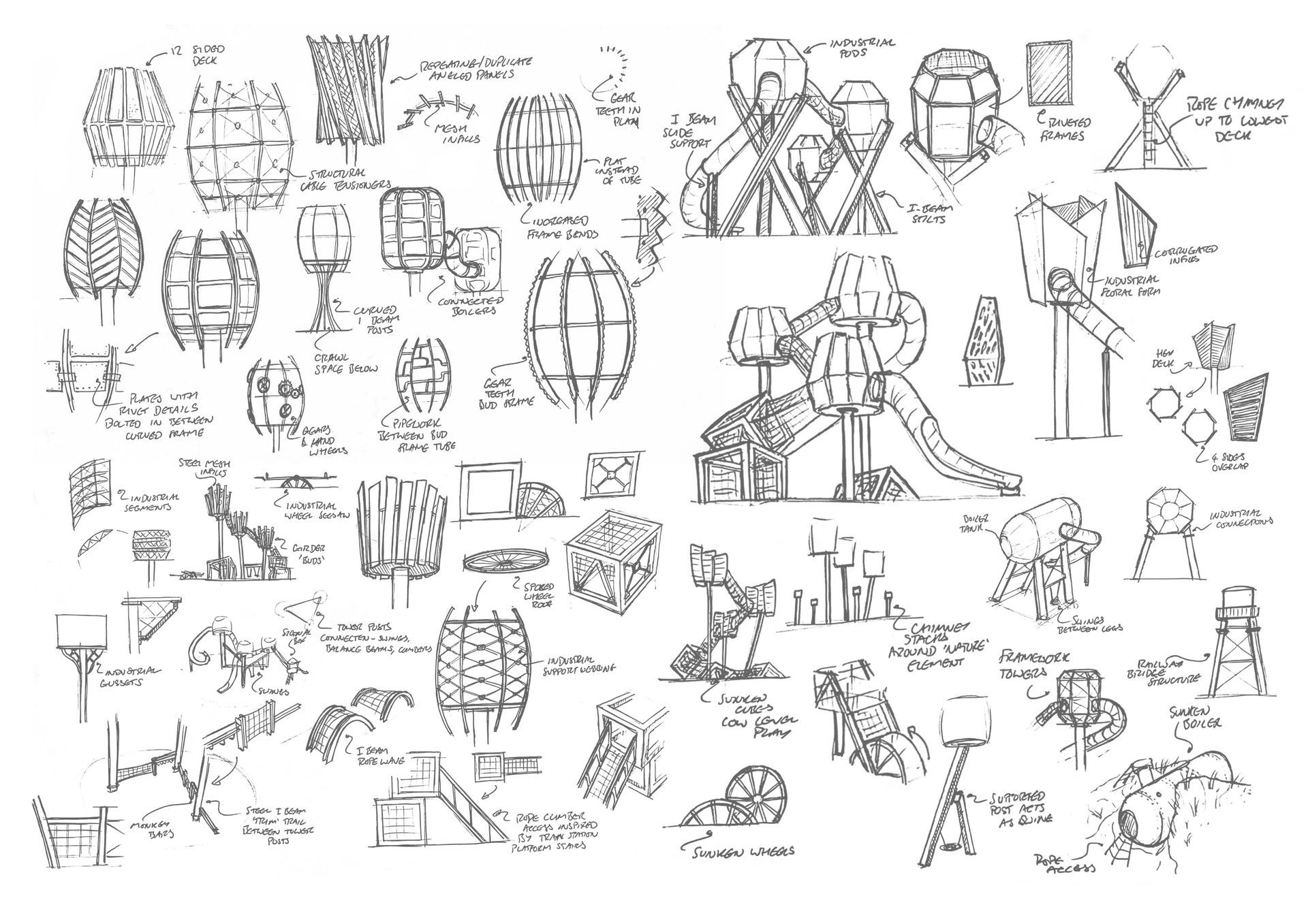
Davies White Landscape Architects and Community Playthings are partnering to share best practice in designing inclusive, sustainable and biodiverse outdoor learning spaces for early years schools and nurseries. Request your free guide or book a Zoom session to discuss your project.
Sir David Attenborough at 100: A Voice That Continues to Shape Our Relationship with Nature
By Adam White May 8, 2026
Sir David Attenborough at 100: A Voice That Continues to Shape Our Relationship with Nature
Adam White and Andree Davies catch up with their friend and colleague Nigel Dunnett at RHS Chelsea i
By By Adam White FLI PPLI April 28, 2026
A personal reflection on Nigel Dunnett, celebrating his influence on planting design, his generosity as a colleague and friend and his lasting legacy.
Why developers work with Davies White
By By Adam White FLI PPLI April 8, 2026
While natural play space design remains an important part of our portfolio, we are also landscape architects specialising in stakeholder engagement and landscape-led masterplanning.
Harrison Ford’s next big role? ‘Saving life on Earth, basically’.
By By Adam White FLI PPLI March 29, 2026
Harrison Ford’s next big role? ‘Saving life on Earth, basically’. A stalwart conservationist for decades, the Hollywood icon is using his legendary status to make world leaders actually pay attention.
Show More