

RHS Chelsea Flower Show 2026: Reflections from a Landscape Architect - Adam White FLI PPLI
Few events occupy such an important place in the horticultural and landscape calendar as the RHS Chelsea Flower Show. Held annually in the grounds of the Royal Hospital Chelsea, the show attracts designers, landscape architects, contractors, growers, suppliers, charities, sponsors, journalists and visitors from around the world. For members of the Landscape Institute, Chelsea holds an even deeper significance.
In 1929, the Institute of Landscape Architects, now the Landscape Institute, was founded during a meeting in a tent at what is today the RHS Chelsea Flower Show.
For almost a century, the Institute has supported landscape professionals through extraordinary environmental, social and economic change. From post-war reconstruction and the creation of new towns through to biodiversity loss, climate change, public health challenges and increasing urbanisation, landscape architects have helped shape the places where people live, work, learn and relax.
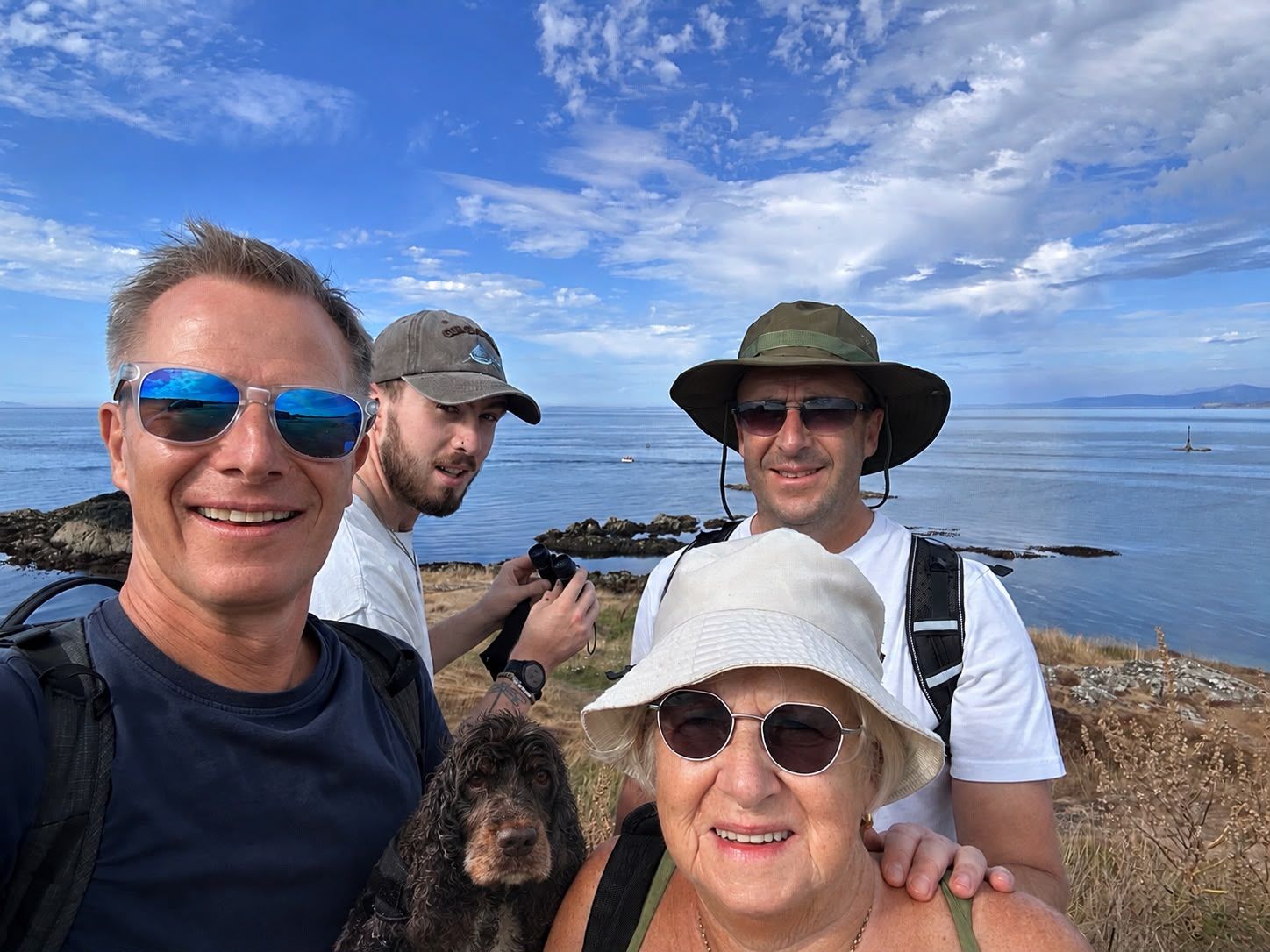
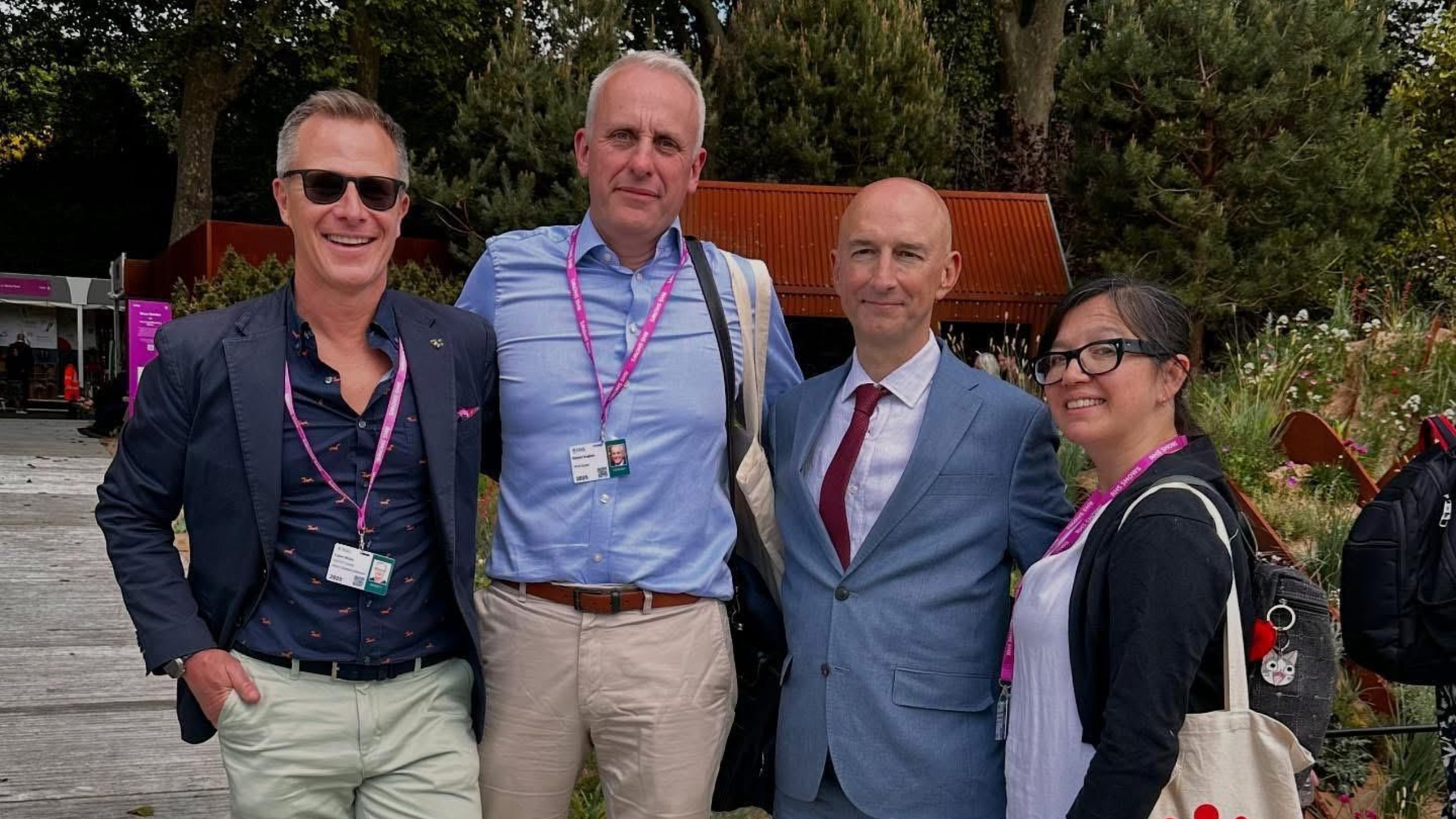
Having attended Chelsea in a variety of roles over the years, I continue to be fascinated by the way the show evolves while remaining rooted in its core purpose: inspiring people to connect with plants, gardens and landscapes. This year I was fortunate to visit during the build-up to the show, returning for Press Day and spending time at Chelsea throughout the week. One of the great strengths of Chelsea is that it brings together every part of our profession, from landscape architects and garden designers to contractors, growers, suppliers, students and educators. It was particularly encouraging to see several graduates from the London College of Garden Design, where I tutor, creating their own gardens alongside some of the most established names in the industry.
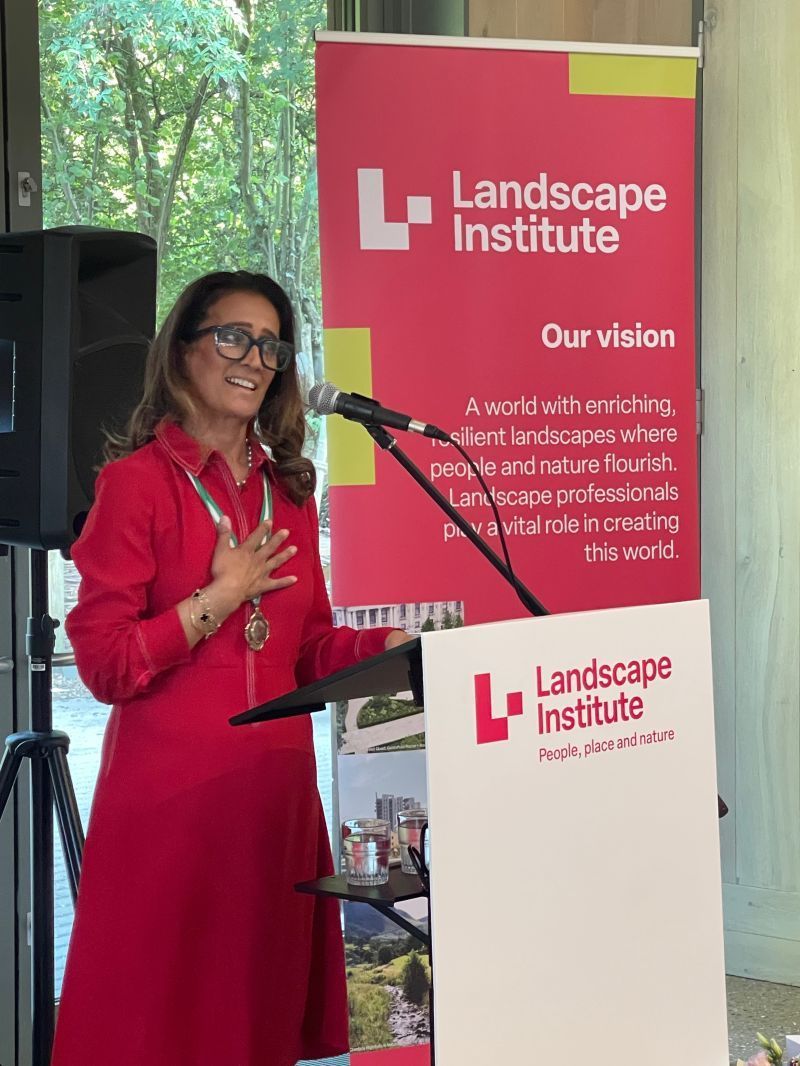
Among those attending Chelsea this year were Landscape Institute President Carolin Göhler FLI, Vice President Ruth Lin Holmes and Chief Executive Rob Hughes, reflecting the continuing importance of Chelsea to the profession nearly a century after its founding at the show.
Yet Chelsea 2026 was about far more than gardens. It was a show defined by reflection, sustainability, social impact, accessibility, biodiversity, technology and legacy.
Remembering Nigel Dunnett & Matthew Biggs
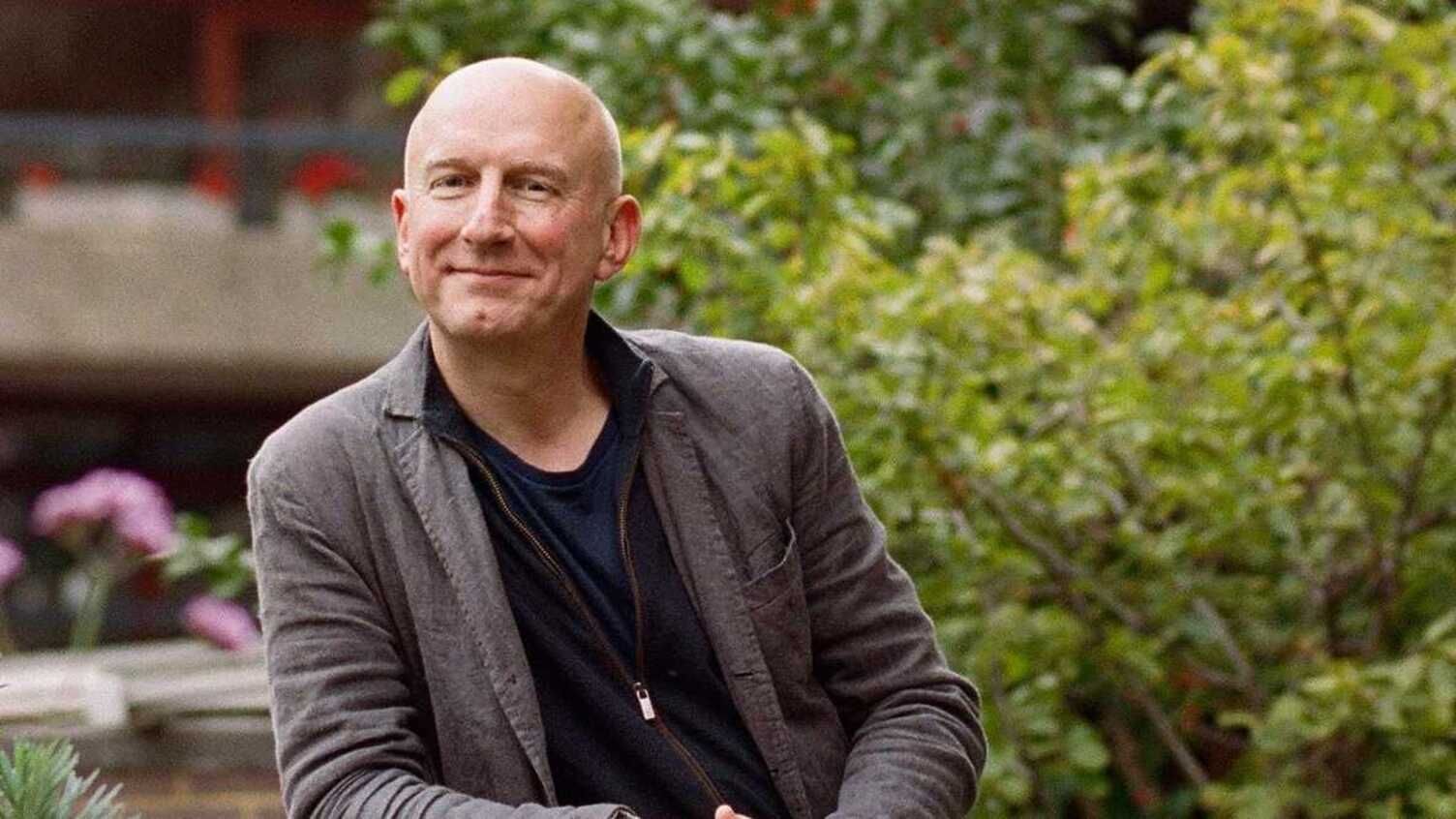
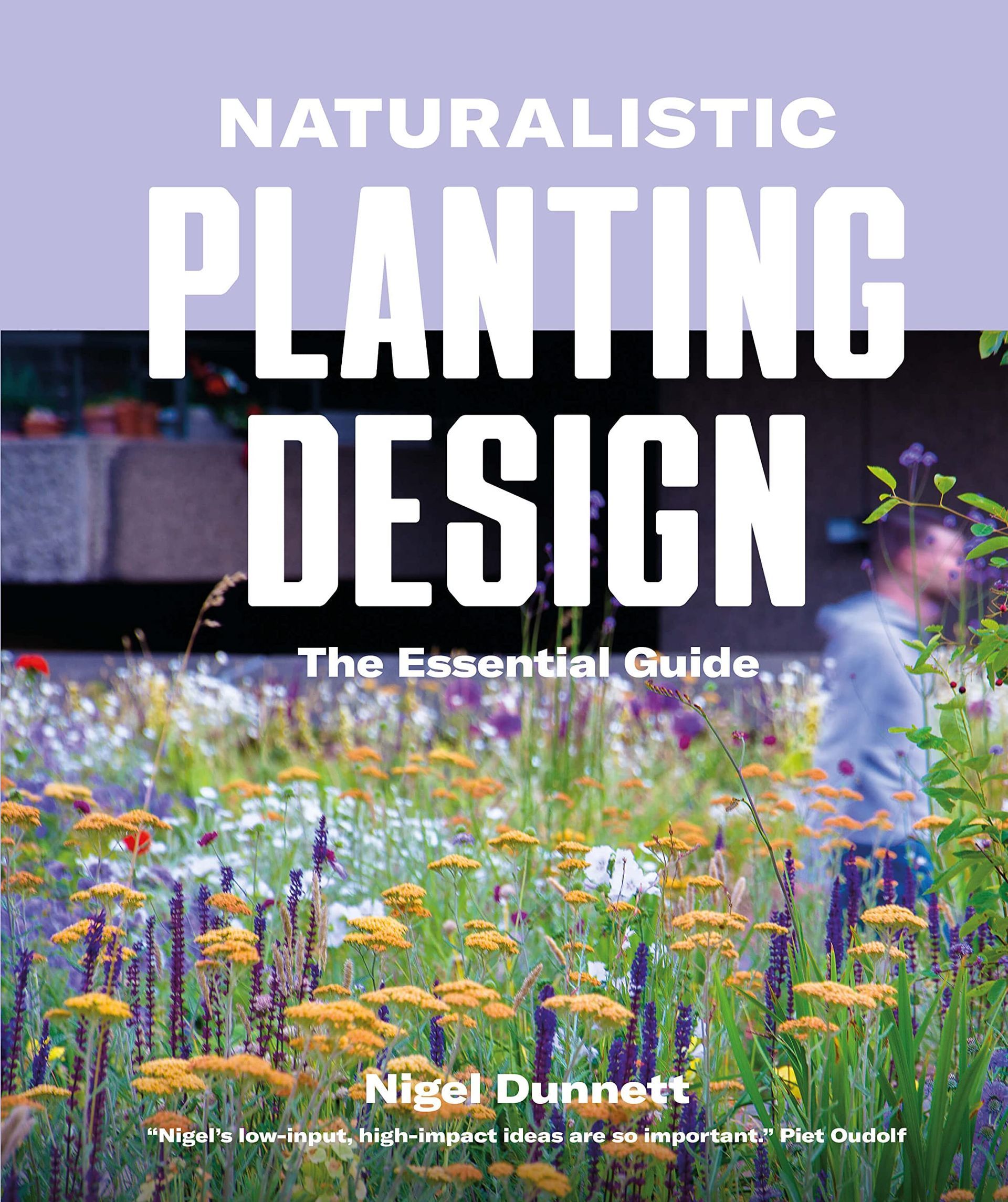
For many Landscape Institute members, Chelsea 2026 carried a particularly poignant atmosphere. Just twelve months earlier, Professor Nigel Dunnett FLI had been preparing for Chelsea with The Hospitalfield Arts Garden, inspired by the sand dunes of Scotland's east coast. Sponsored by Project Giving Back, the garden demonstrated Nigel's unique ability to combine ecological science, artistic expression and beautiful planting design. Sadly, Nigel passed away in April following cancer.
During Press Day, many friends, colleagues and admirers gathered informally to reflect on his contribution and share memories. Through projects such as Grey to Green in Sheffield, the Queen Elizabeth Olympic Park and Tower of London Superbloom, Nigel transformed the way many of us think about planting. His work showed that beauty, biodiversity and resilience are not competing objectives but natural partners.
On a personal note, I wore a Depeche Mode badge throughout Press Day. Nigel was a big fan of the band and it felt a small but fitting tribute to a friend, colleague and Fellow whose influence will continue for generations.
Chelsea 2026 was also overshadowed by the loss of broadcaster, gardener and communicator Matthew Biggs VMH, whose warmth, enthusiasm and ability to communicate inspired countless gardeners and professionals alike.
Both Nigel and Matthew will be greatly missed, but their influence continues through the landscapes, gardens, ideas and people they inspired.


Landscape Architects at the Heart of Chelsea
Chelsea is often perceived as a flower show, but a closer look reveals the enormous contribution made by landscape architects.
Among the most prominent was Sarah Eberle FLI, widely regarded as the most decorated designer in Chelsea history. Her Campaign to Protect Rural England garden, On the Edge, explored the fragile landscapes between town and countryside and was awarded both a Gold Medal and the prestigious RHS Chelsea Garden of the Year award.
Tom Stuart-Smith MBE FLI returned to Main Avenue with the Gold Medal-winning Tate Britain Garden. More than simply a show garden, it provided a taster of the new Clore Garden he has designed for Tate Britain in London, exploring the relationship between art, nature and public space.
Parkinson's UK
Arit Anderson CMLI enjoyed one of the most celebrated successes of the show with Parkinson's UK: A Garden for Every Parkinson's Journey, which secured a Silver Medal together with the BBC/RHS People's Choice Award.
Davies White Ltd facilitated
stakeholder workshops that helped shape the design through the lived experiences of people affected by Parkinson's. Following the show, the garden will be relocated to the John Radcliffe Hospital in Oxford.


Dave Green is a landscape architect and he designed the Gold Medal-winning RHS exhibit Bringing Nature Home, translating scientific research into practical advice for gardeners seeking to support biodiversity and nature recovery.
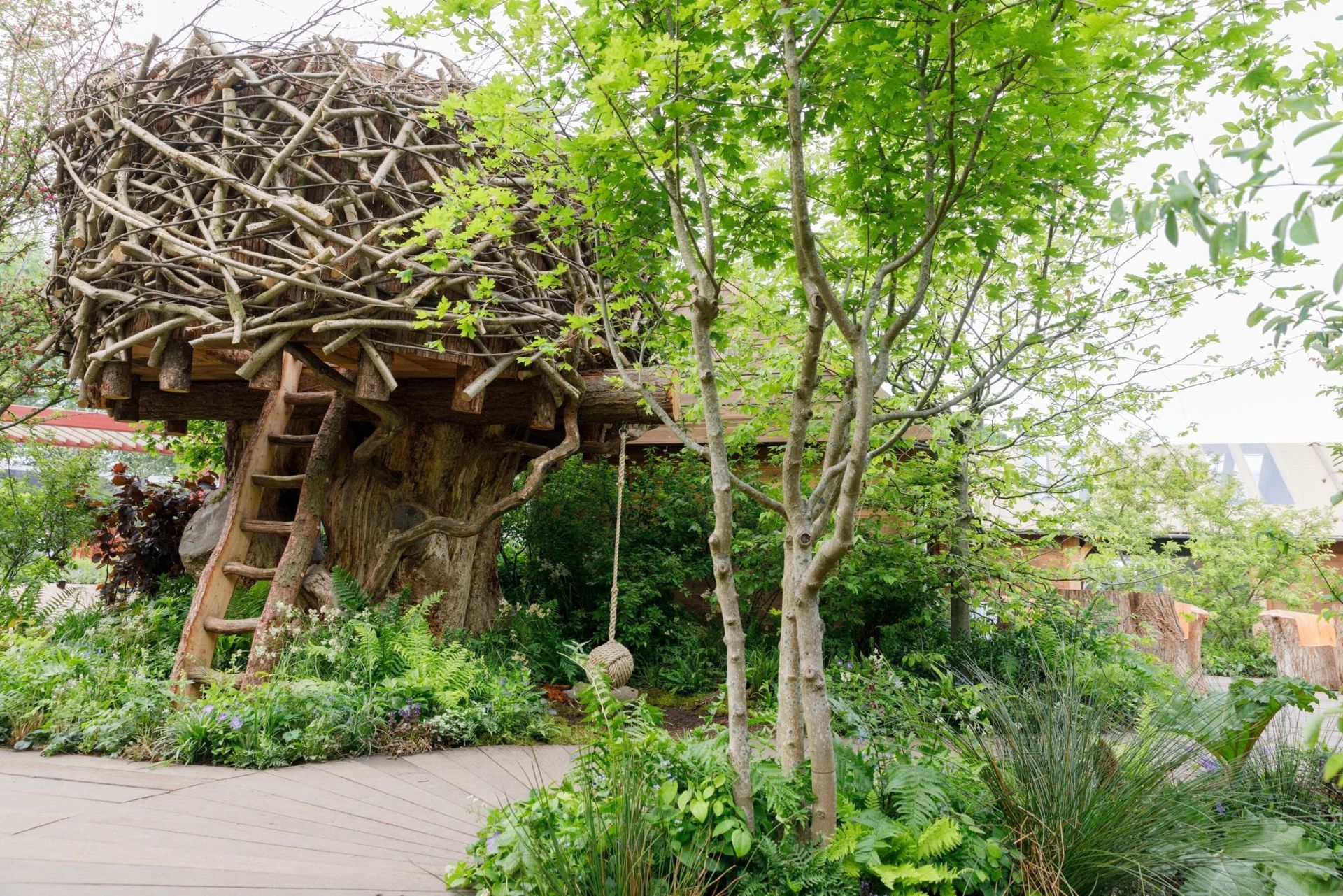
Landscape architect Patrick Clarke's Gold Medal-winning The Children's Society Garden explored themes of resilience, wellbeing and imperfection through the lens of Japanese wabi-sabi philosophy.
The next generation of the profession was represented by
Ollie Pike, a graduate of the University of Sheffield's Landscape Architecture course whose Gold Medal-winning Whittard of Chelsea Garden demonstrated the talent emerging from today's landscape architecture schools.
Chelsea's international dimension was reflected through
Edmund Hollander FASLA, founder of the renowned New York landscape architecture practice Hollander Design. Together, these projects demonstrated the breadth of contemporary landscape architecture, from biodiversity and public health to science, culture and placemaking.
The Builders Behind the Gardens
No review of Chelsea would be complete without recognising the contribution of the contractors and especially Mark Gregory FLI and his team at Landform Consultants.
In 2026, Landform were involved in the delivery of several major projects, including Baz Grainger's Gold Medal-winning Killik & Co: A Seed in Time Garden.
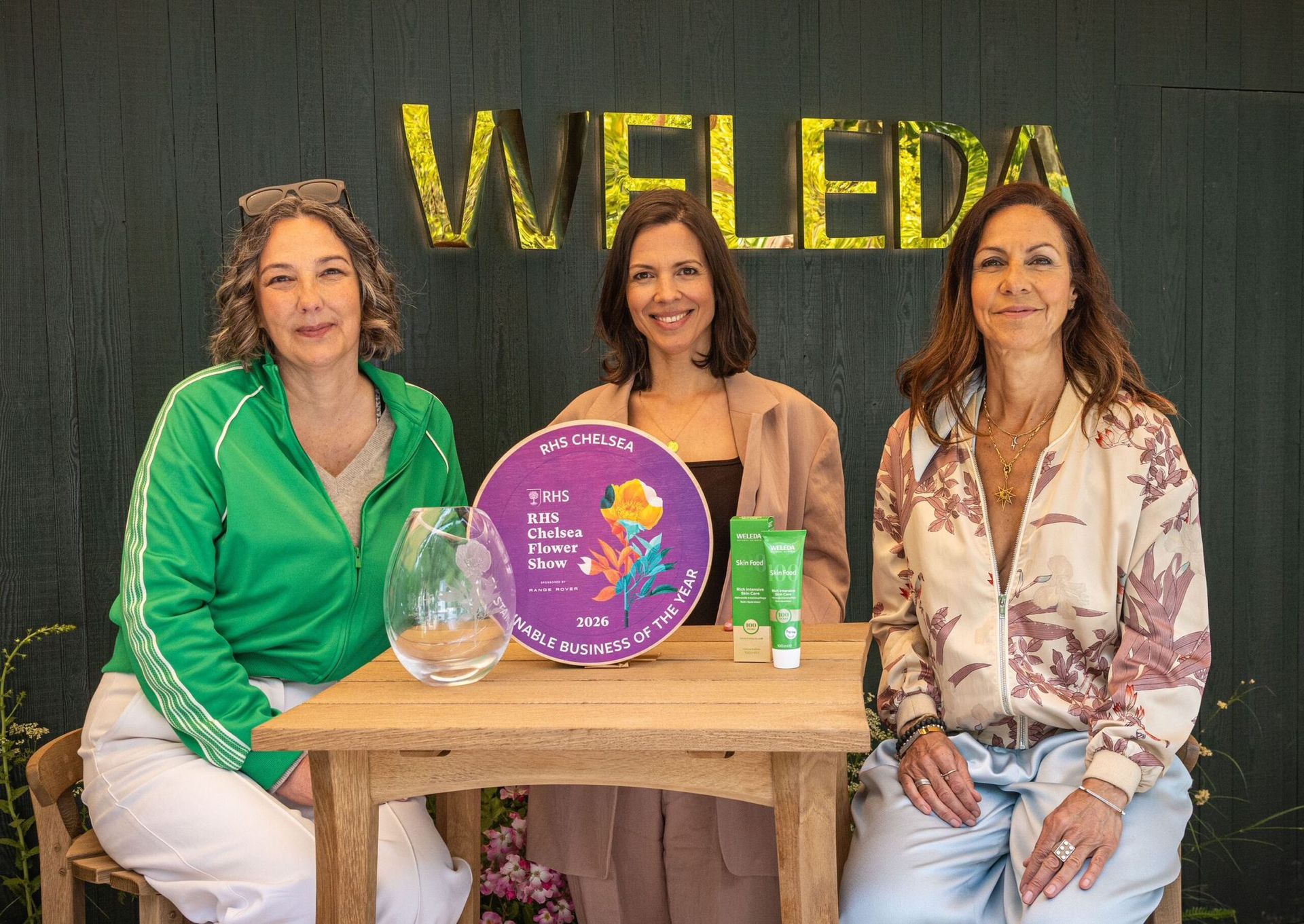
Landform also designed and built Weleda's first-ever Main Avenue exhibit celebrating the 100th anniversary of Skin Food. Inspired by Weleda's biodynamic gardens, the stand highlighted regenerative agriculture, biodiversity and sustainability. The connection proved particularly fitting when Weleda was later named RHS Sustainable Business of the Year.
The company's influence extended further through Catherine MacDonald's Silver-Gilt Medal-winning Boodles Garden, inspired by Historic Royal Palaces and designed with a strong post-show legacy. While Chelsea rightly celebrates designers, it would not exist without the contractors, engineers and craftspeople who bring these projects to life.
The Composer's Cabin
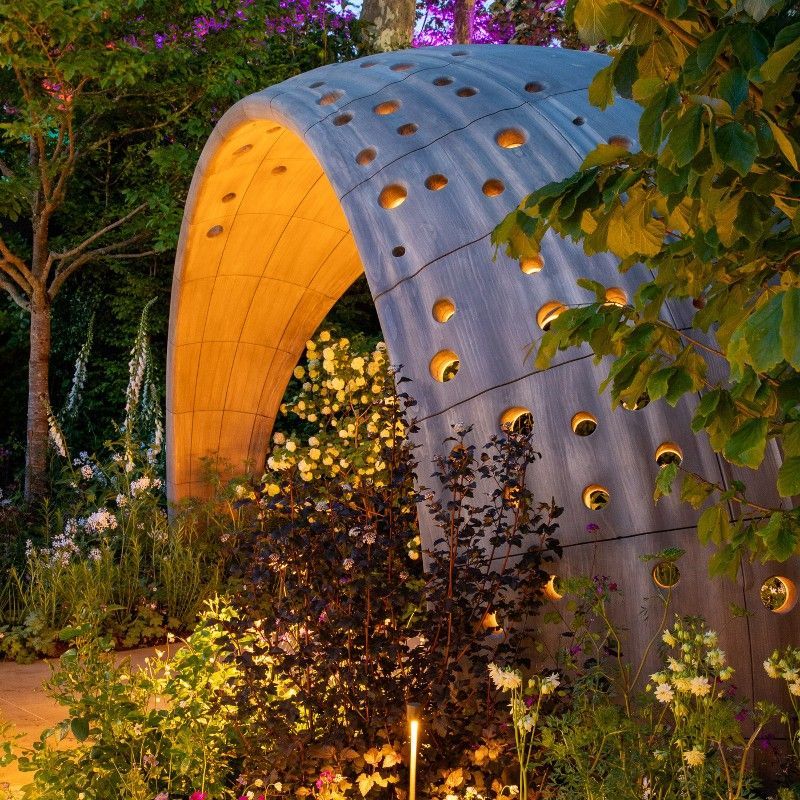
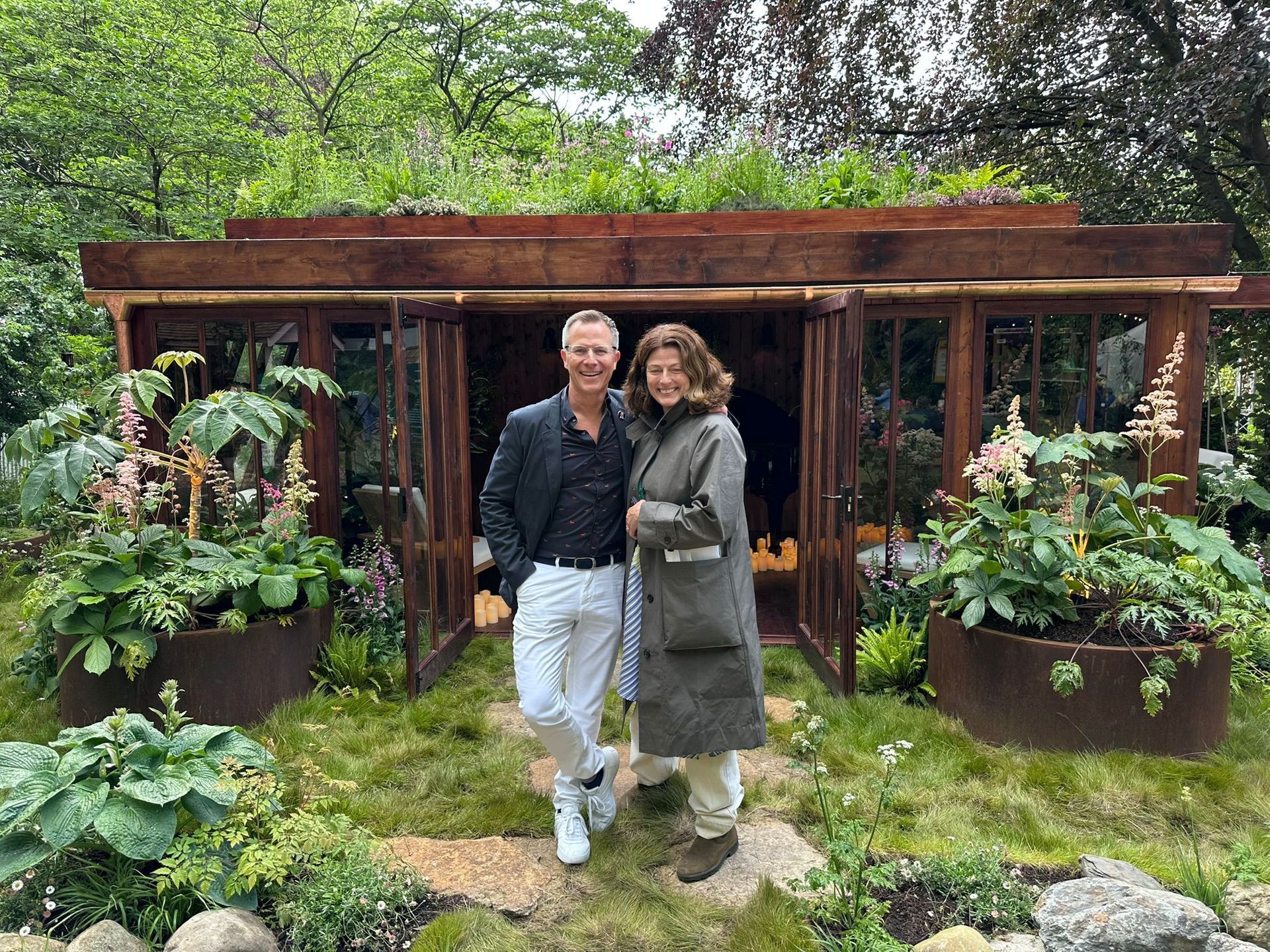
John Wyer FLI is both a Fellow of the Landscape Institute and the Society of Garden and Landscape Designers. His practice, Bowles & Wyer, constructed the Silver Medal-winning Composer's Cabin, designed by Martha Krempel for London St Pancras Highspeed.
Inspired by the peatlands and coastal landscapes of Cornwall, the installation explored the relationship between landscape, music and environmental stewardship. The garden was brought to life through performances by Grammy-nominated singer-songwriter
Laura White and classical pianist
Bridget Yee. Following the show, an adapted version will be relocated to St Pancras International Station.
Sustainability and Legacy
Sustainability remained one of the defining themes of Chelsea 2026.
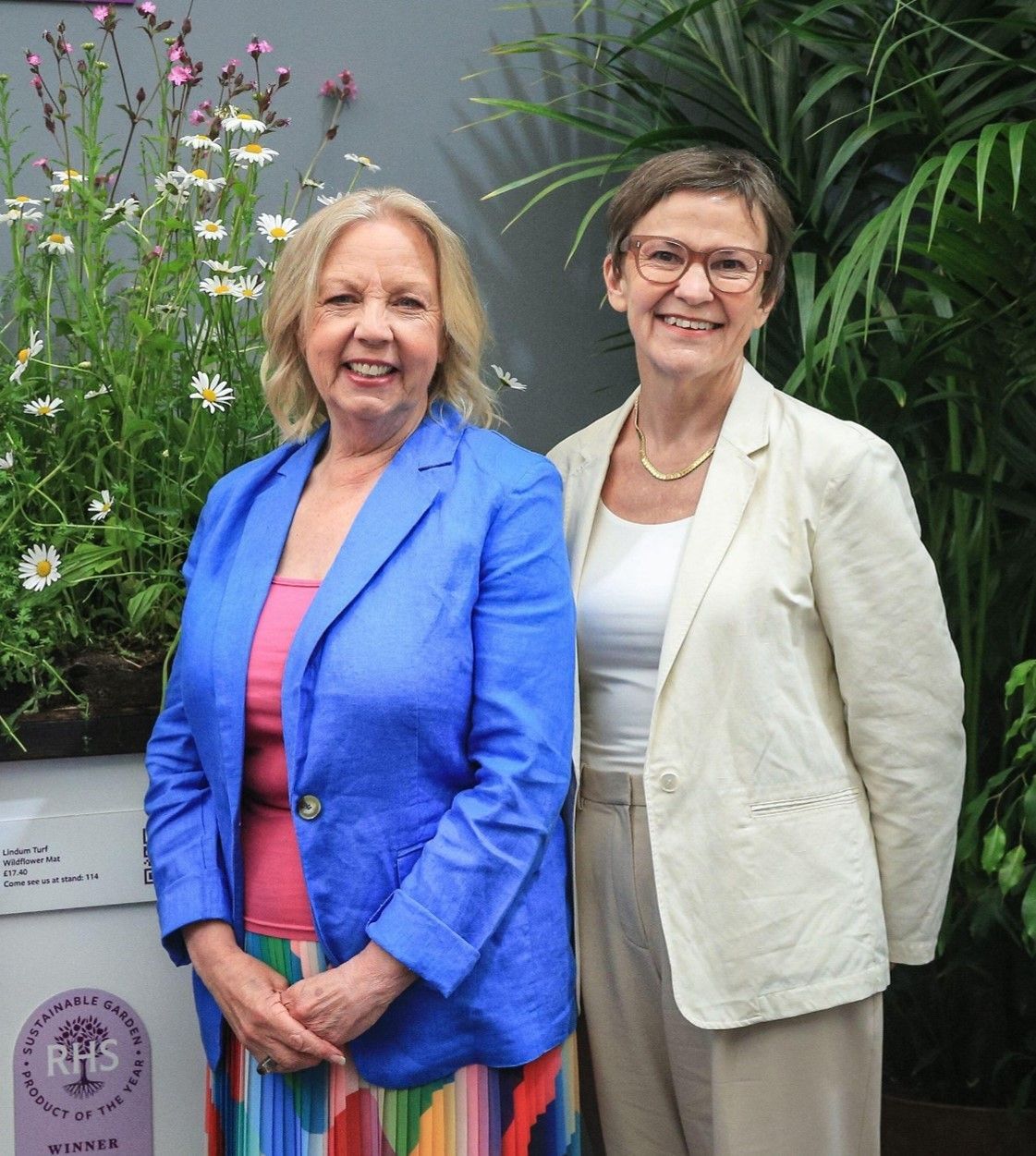
The RHS Sustainable Excellence Awards were judged by Deborah Meaden, Professor Chris Harrop OBE and landscape architect Andrée Davies FLI. Weleda was named Sustainable Business of the Year, recognising its commitment to regenerative agriculture, biodiversity and sustainable business practices.
The awards recognised excellence across three categories:
• Sustainable Garden Product of the Year
• Sustainable Lifestyle Product of the Year
• Sustainable Business of the Year
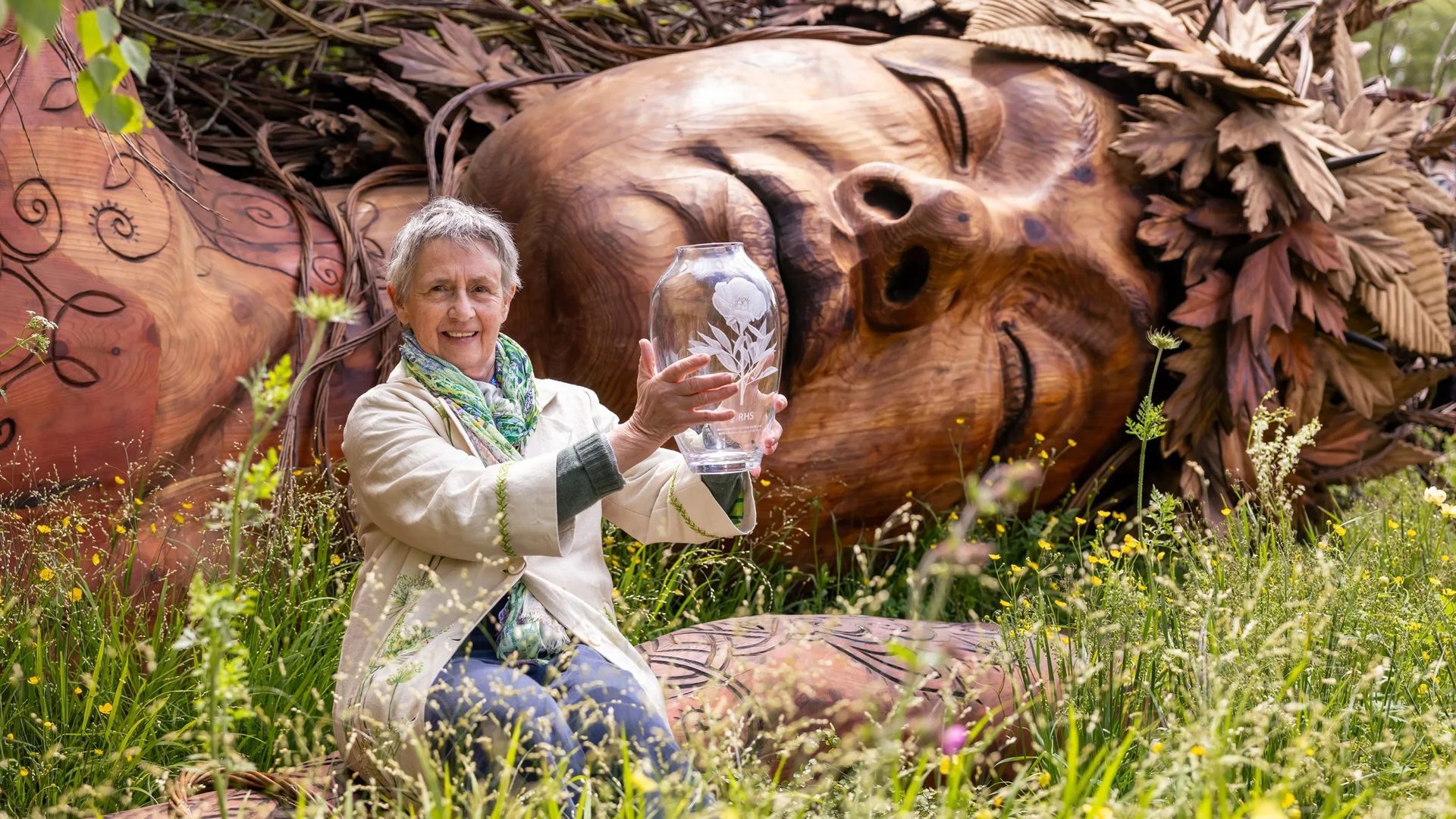
The latter award was presented to Weleda, recognising the company's commitment to regenerative agriculture, biodiversity and sustainable business practices. The award was accepted by Weleda's leadership team alongside television presenter Julia Bradbury.
The awards highlighted an important shift taking place across the sector. Sustainability is no longer a specialist subject. It is increasingly becoming the foundation upon which successful landscapes, businesses and communities are built.

The End of Project Giving Back
Perhaps the most significant story of Chelsea 2026 was not a particular garden but the conclusion of Project Giving Back.
Established following the Covid-19 pandemic, Project Giving Back transformed Chelsea by funding gardens linked to charitable causes. Between 2022 and 2026 it funded 63 gardens and invested more than £23 million in charitable storytelling, awareness raising and legacy projects. Its influence extended far beyond the showground. Gardens have been relocated to hospitals, schools, community spaces and public landscapes throughout the UK.
Project Giving Back fundamentally changed expectations around legacy and social value. It demonstrated that Chelsea gardens can be far more than temporary displays. They can become catalysts for awareness, fundraising, community engagement and lasting environmental benefit.
As the initiative concludes, the question naturally arises: what comes next?
Artificial Intelligence Arrives at Chelsea
Chelsea 2026 also saw the arrival of artificial intelligence as a design tool. Award-winning designer Matt Keightley used the show to launch Spacelift, an AI-assisted garden design platform that generated considerable debate.
Supporters see AI as a way of making design more accessible, while others question whether technology can ever replicate the creativity, empathy and site understanding that underpin successful landscape design. It sounds like a round table conversation needs to be hand within the profession and I for one would be interested to joining the conversation.
When I worked at Barnsley Council in 1996, we all had drawing boards, Rotring pens and tracing paper. Shirley, our draftsperson, produced the more complex drawings and construction packs entirely by hand. By the time I left, CAD was beginning to appear. By 1999, at Groundwork Lincolnshire, CAD and Photoshop had become part of everyday practice. Then came Vectorworks, SketchUp, BIM, drones, laser surveys and countless other tools that changed how we work.
My boss in the mid-1990s was Andrew Bannister, a past President of the Landscape Institute. He was a landscape manager and a fascinating mentor. I recall him saying, in relation to the arrival of CAD, “With change comes movement. With movement comes friction. That’s inevitable.”
The AI debate currently taking place within the design professions feels very similar. The real question is not whether AI is coming, because it already has. The question is how we use it responsibly, ethically and creatively while ensuring that design thinking, experience, judgement and human understanding remain at the heart of the process.
I’ve had some fascinating conversations on the subject recently with Matt Keightley, Andrew Duff, John Wyer, Helen Elks, Lucy Wilcox, Niall Williams and Landscape Institute Vice President Ruth Lee Holmes. What struck me was that the discussion is far more nuanced than the headlines suggest. Good design should not become the preserve of those who can afford the highest fees. If technology can help more people access well-designed, biodiverse and climate-resilient gardens and landscapes, that has to be part of the conversation. Equally, we need to understand the risks, limitations and implications for the profession. A proper round-table debate is needed. Not a shouting match between those who are “for” or “against” AI, but a thoughtful discussion about how designers can help shape these emerging tools rather than simply react to them.
Anne-Marie Powell’s thoughtful review of Chelsea takes a similarly open-minded approach to the Spacelift conversation. One point particularly resonated with me: if AI is going to become part of our profession, I’d rather see experienced designers helping shape the technology and the values behind it than leave that entirely to software companies. After all, the technology itself is not really the issue. What matters is who guides it, what principles sit behind it, and whether it ultimately helps create better places for people and nature.
As with CAD thirty years ago, this is not a debate that will be settled by resisting change. It will be settled by engaging with it, challenging it, improving it and helping shape its future.
Walk towards it with an open mind, I say. The conversation has only just begun, and it’s good to talk.
Small Spaces, Big Ideas
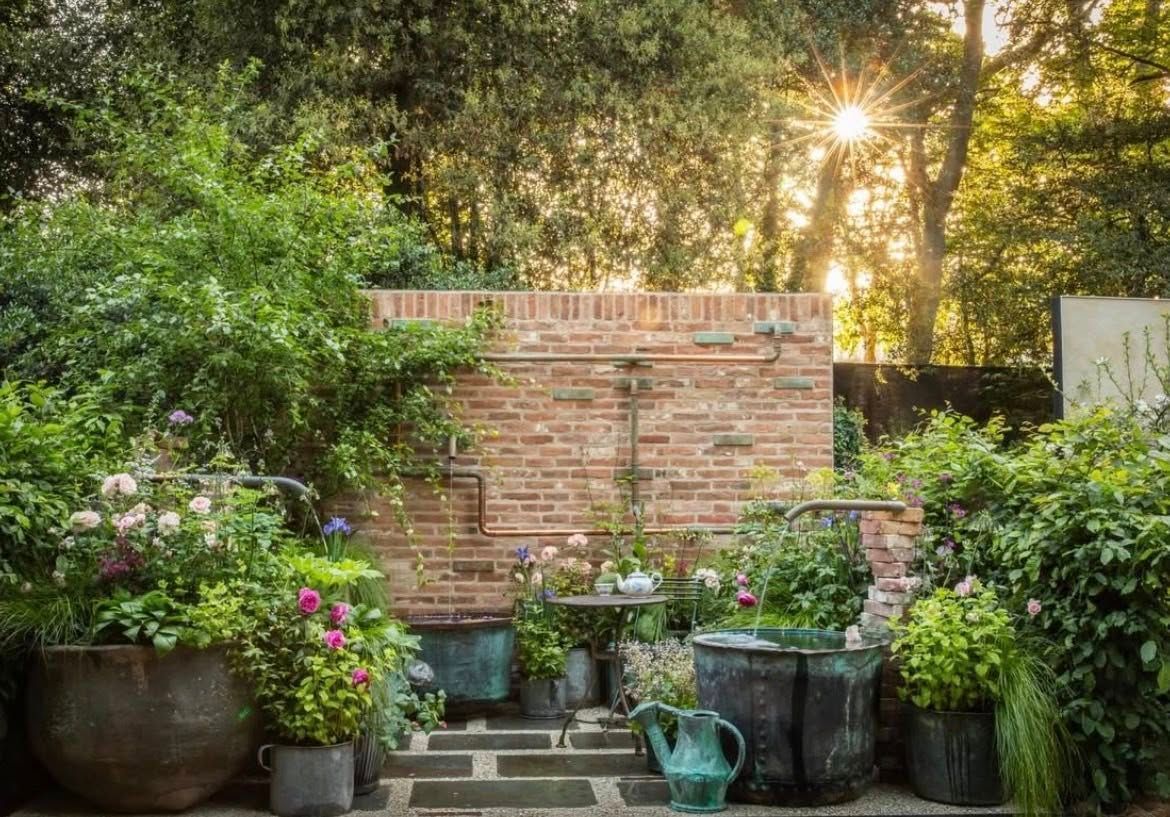
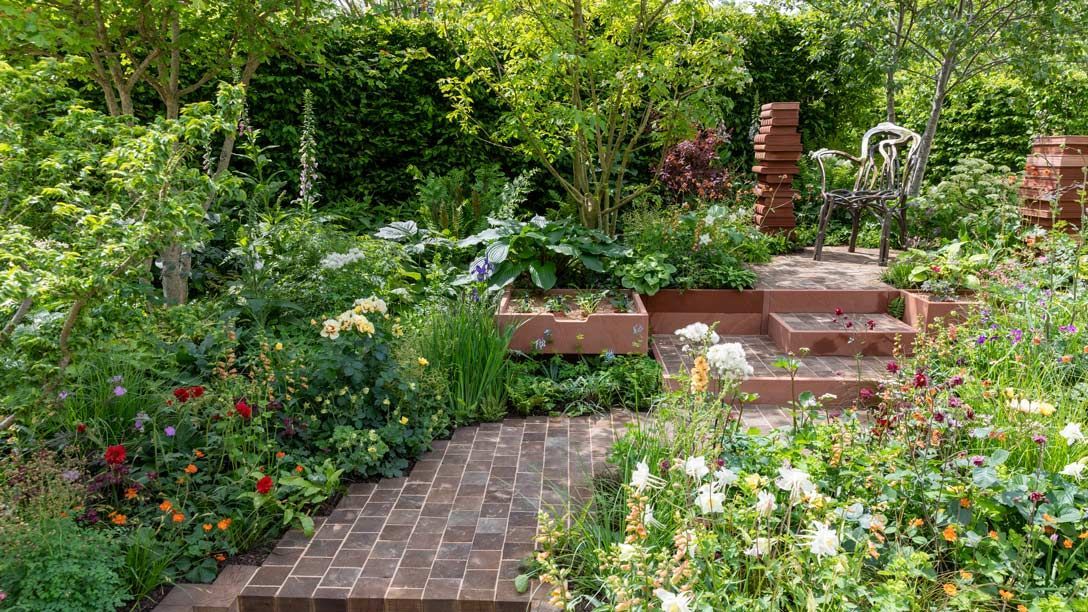
One of my personal highlights of Chelsea 2026 was the Balcony and Container Garden categories. While the Main Avenue gardens attract much of the attention, these smaller spaces arguably reflect the reality of how many people now live. Increasing urbanisation means that access to gardens and green space is becoming more limited for many communities. I particularly enjoyed the Gold Medal-winning Tales from the Riverbank Garden, whose naturalistic planting and intimate scale beautifully demonstrated how even the most compact spaces can support nature and provide a meaningful connection to the outdoors.
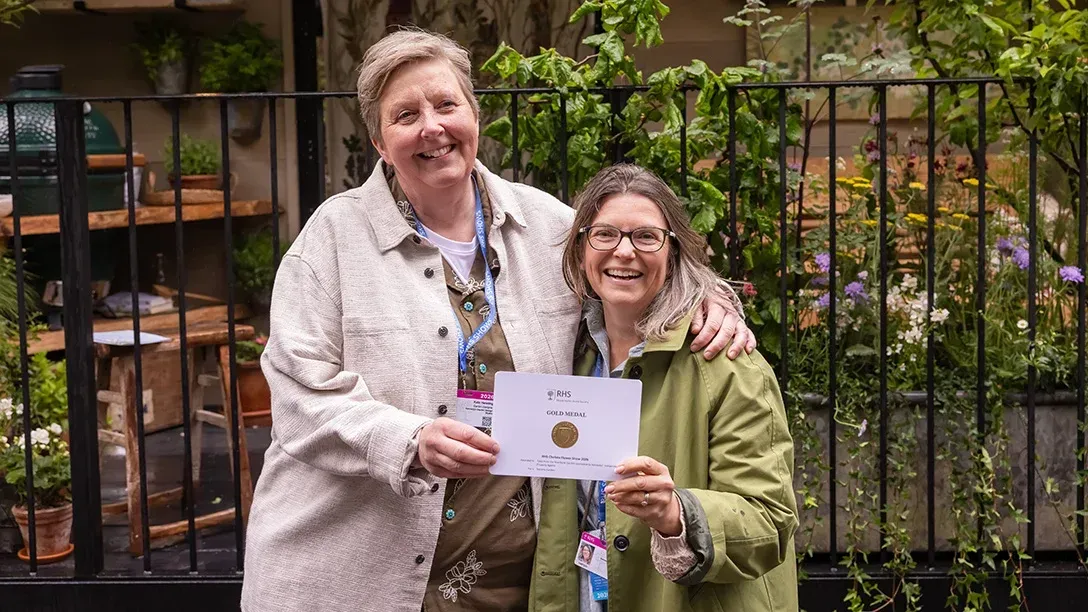
I was equally impressed by Ollie Pike's Gold Medal-winning Whittard of Chelsea Garden. Both gardens reminded me of my own cottage garden at home in the Surrey Hills and demonstrated how much can be achieved within a modest footprint. Perhaps more importantly, they reinforced a message that not everyone is fortunate enough to have a garden, but everyone deserves access to nature.
A fantastic week for LCGD alumni
- Susan Kennedy & Kate Henning - Gold Medal
- John Howlett - Gold Medal
- Joe & Laura Carey - Gold Medal and RHS Chelsea Small Garden of the Year
- Harry Holding - Silver Gilt Medal on Main Avenue
- Sally Anne Rees, Kate Campbell & William Murray - Silver Gilt Medal
From balcony gardens to full show gardens, LCGD graduates are shaping the future of planting, garden design and landscape architecture. As a guest tutor at the LCGD, I’m incredibly proud to see their talent recognised on one of the world’s most prestigious horticultural stages. Congratulations to you all!
I’d also like to tip my cap to the many Landscape Institute members who have helped shape the success of RHS Chelsea over the years. From Andrew Wilson, Jo Thompson, Alistair Bayford, Peter Chmiel, Nigel Dunnett, Gavin McWilliam, Andy Sturgeon, Robert Myers, Joe Perkins and Andrew Hawksworth, to the many BALI and APL contractors, growers and landscape professionals working behind the scenes, their contributions have showcased the very best of our profession and inspired the next generation to
#chooselandscape.
I look forward to seeing even more Landscape Institute members and LCGD graduates being involved in the years ahead, particularly those early in their careers, helping to make Chelsea more accessible, inclusive and sustainable while championing the vital role landscape professionals play in protecting, conserving and enhancing our natural and built environment for the benefit of all.
Looking Towards LI100
Founded in a tent at Chelsea in 1929, our profession has been intertwined with the show for almost a century. With the Landscape Institute's centenary now approaching in 2029, perhaps it is time to start thinking about how we might mark this important milestone at the place where it all began.
Back in 2019, the RHS Back to Nature Garden, co-designed by HRH The Princess of Wales, Andrée Davies FLI and myself, was used to launch the Landscape Institute's 90th anniversary celebrations. At the time, I suggested that the Landscape Institute might consider a member led collaborative RHS Chelsea project of its own for LI100 in 2029.
Not necessarily a large judged show garden, but an accessible, inclusive and biodiverse pocket park designed to fit on the triangle at the end of Main Avenue. A walk-through landscape showcasing the very best of what landscape architects do. A place where nature, health, play, biodiversity, accessibility and climate resilience come together. A place designed for children, older people, families, wildlife and communities. A landscape that demonstrates the value of well-designed public green space and the positive impact it can have on everyday lives.
Importantly, it would be designed with legacy in mind from the outset. Following the show, it could be relocated and reimagined within an urban neighbourhood, school, healthcare setting or public realm project, ensuring that its benefits continue long after Chelsea has closed its gates.
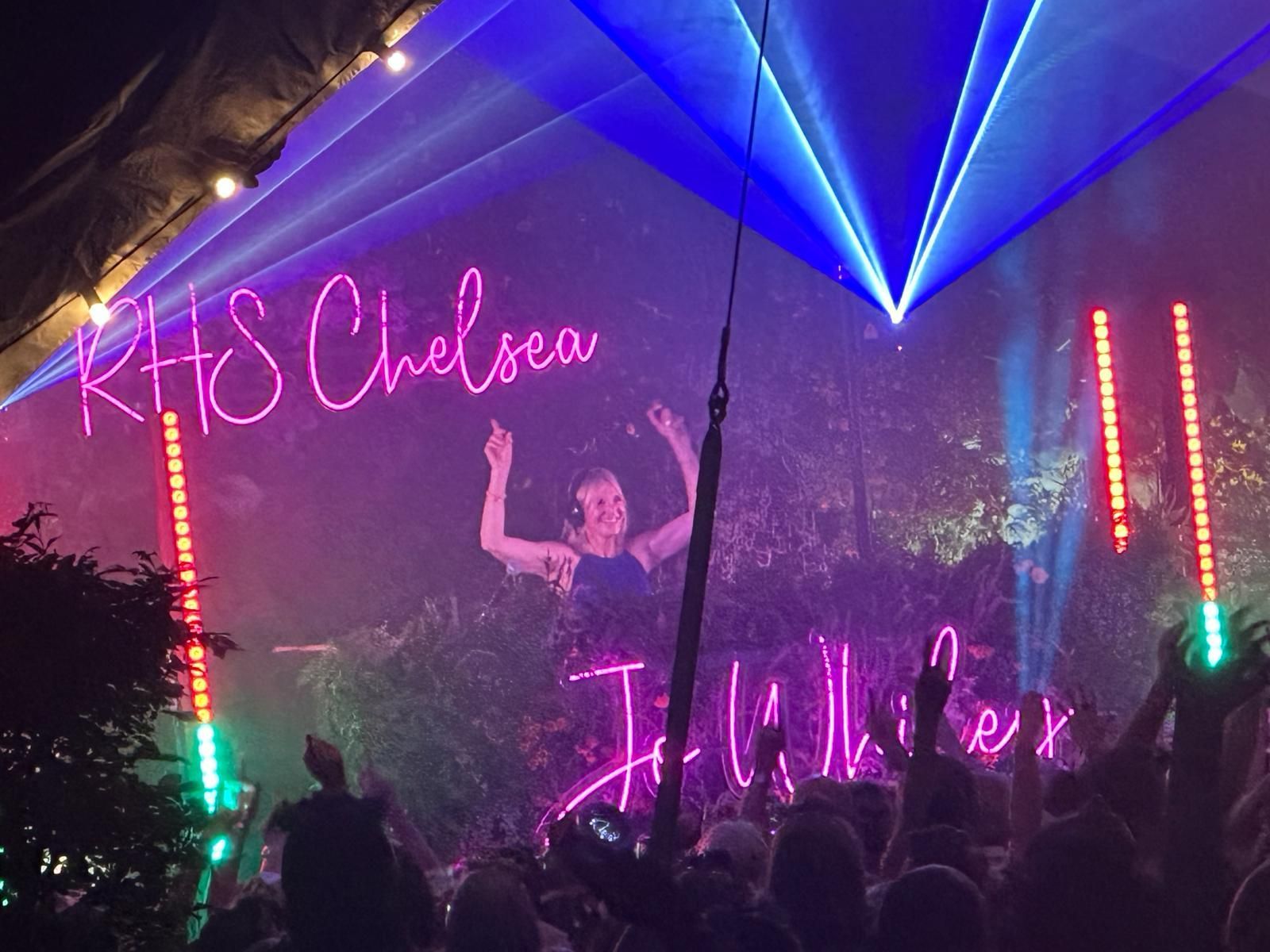
After all, not everyone is fortunate enough to have a garden. Perhaps that is the most fitting way to celebrate a profession founded at Chelsea nearly a century ago: not by creating a garden about ourselves, but by creating a landscape that demonstrates why our profession matters and how good design, meaningful engagement and a connection with nature can inspire everybody to #chooselandscape. In the meantime .. let's dance!
Recent Posts