

What Happens When Artists, Landscape Architects and Fabricators Design Together?

Adam White

Share this article

The best public spaces and places are created where creativity, craftsmanship and community come together.

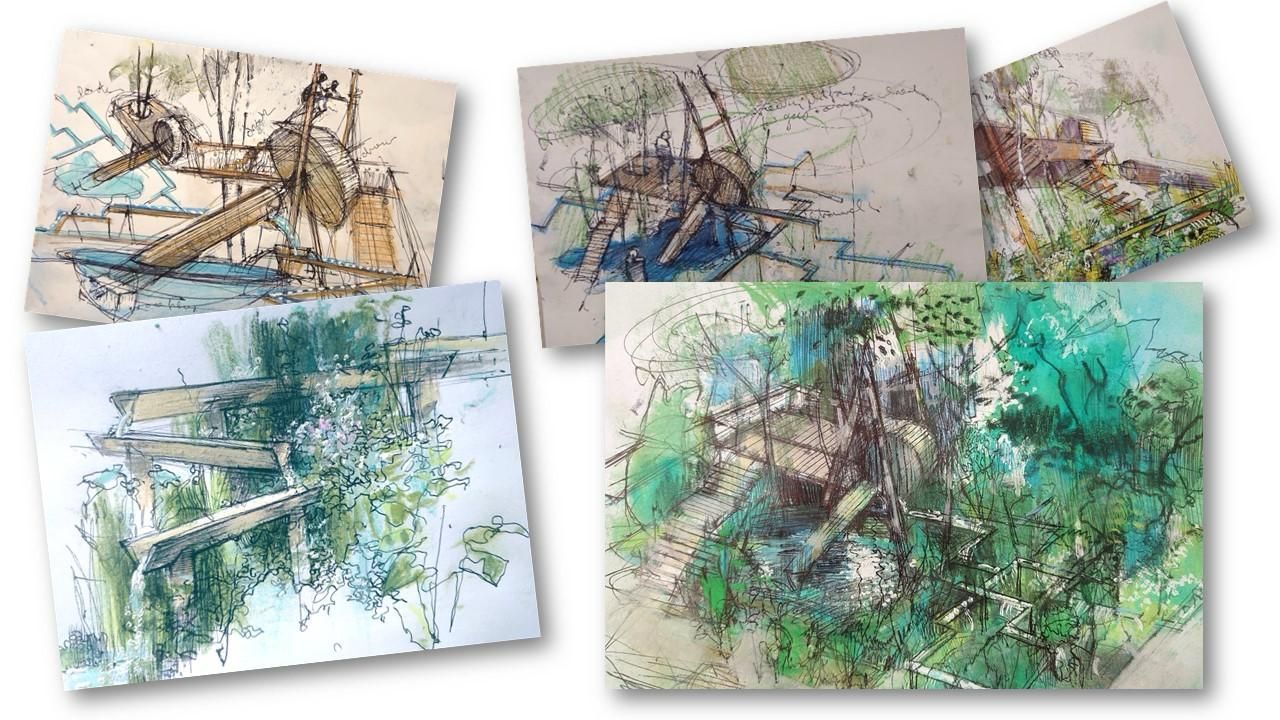
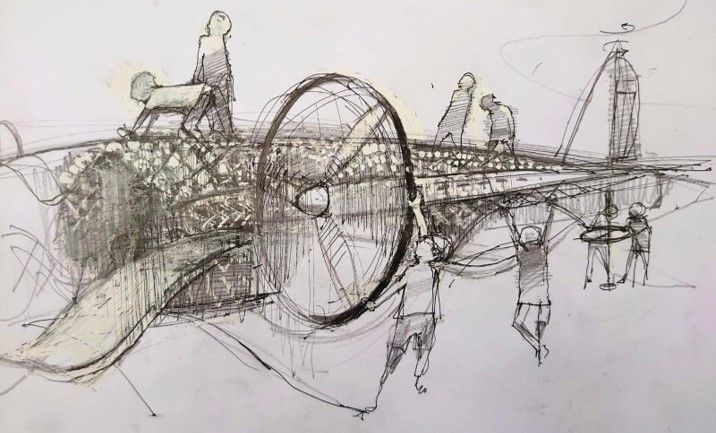
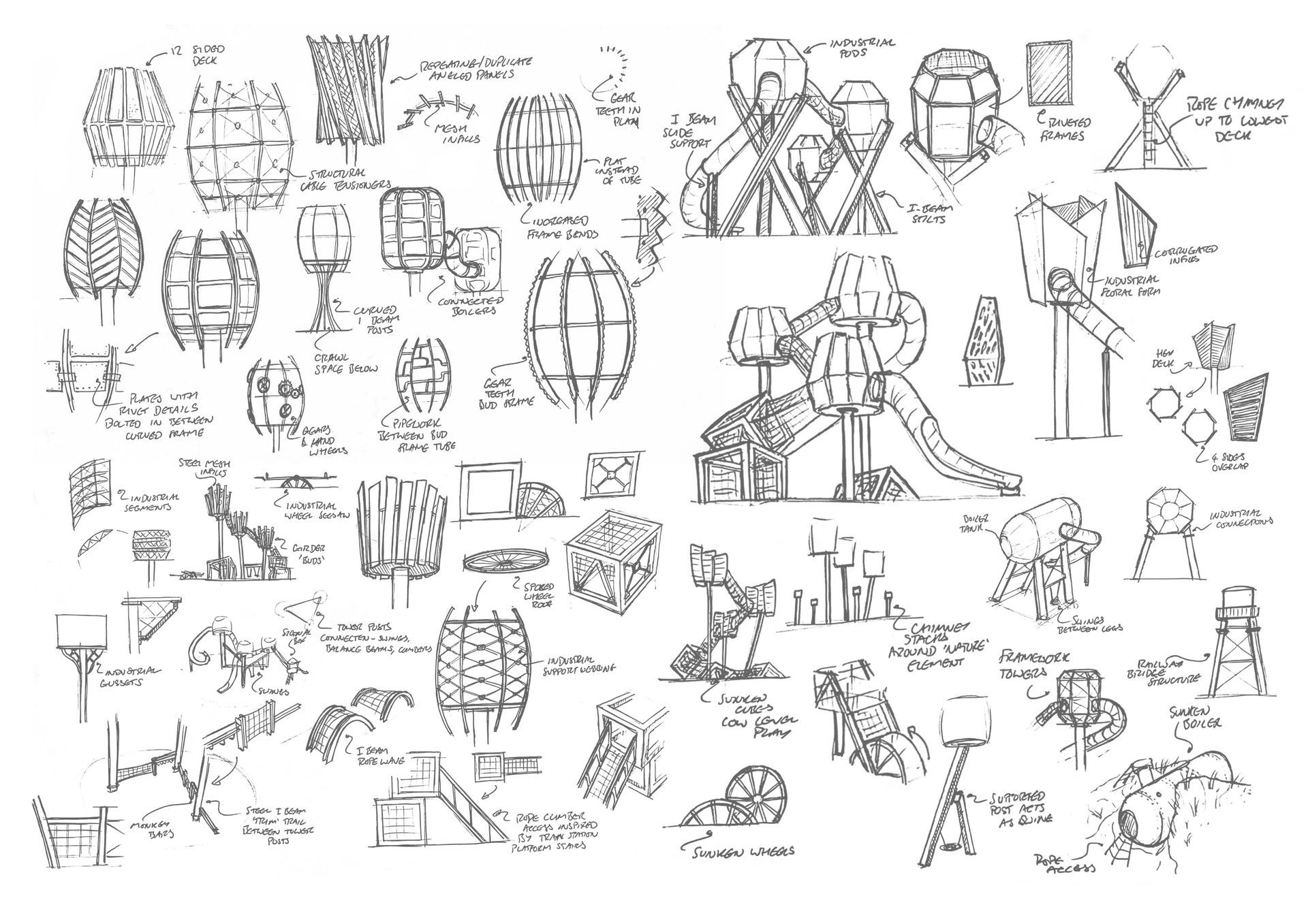
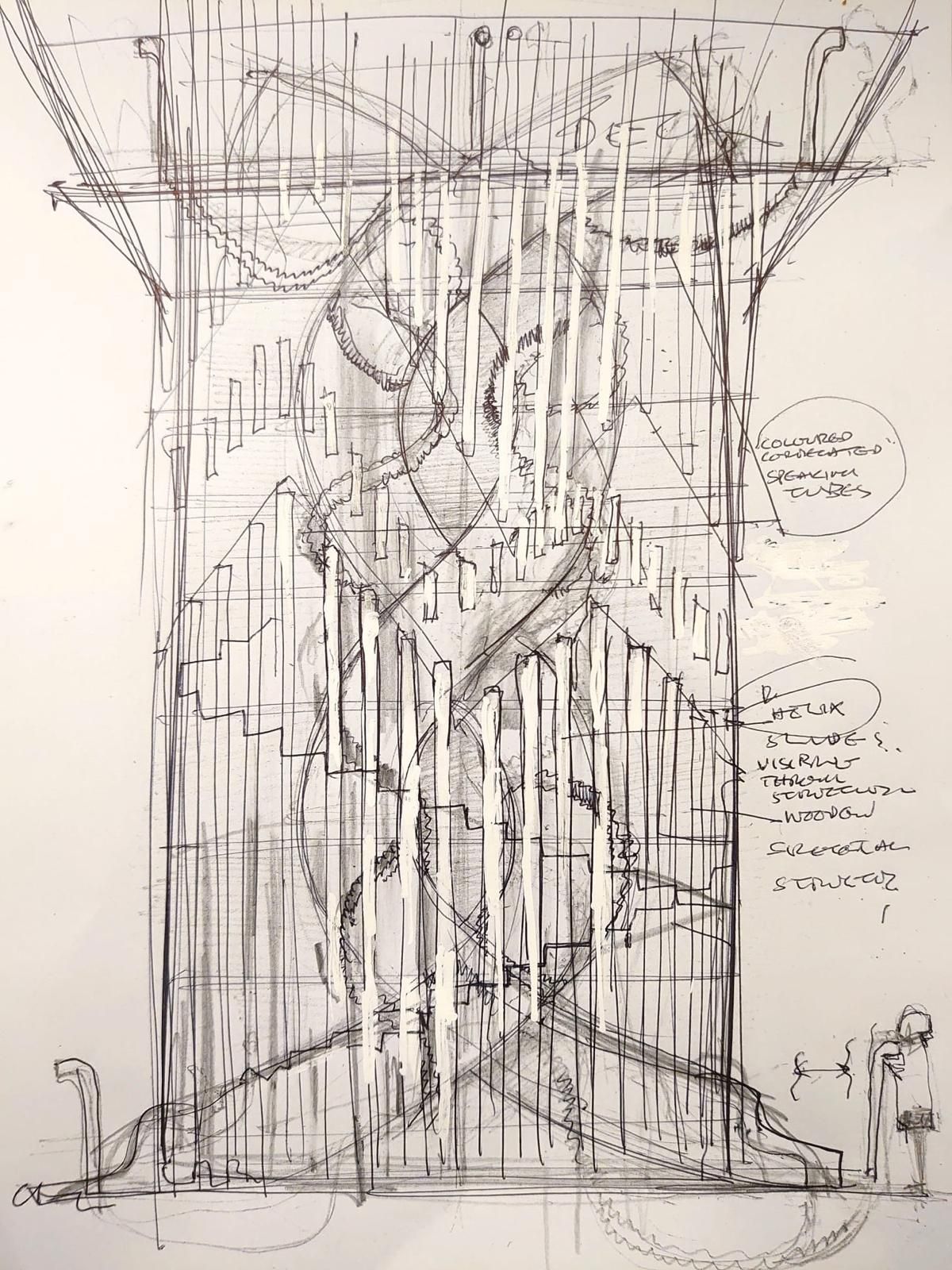
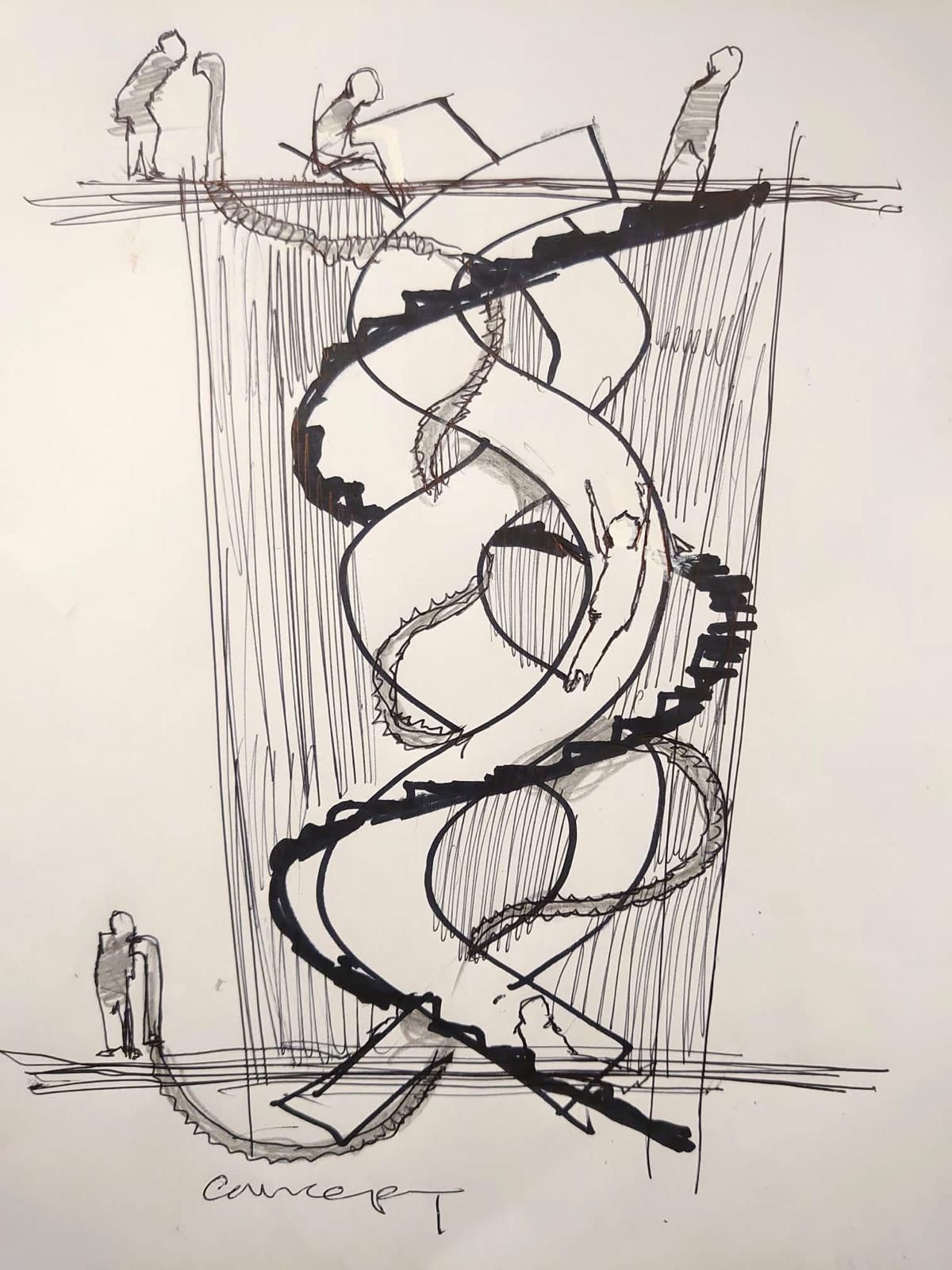
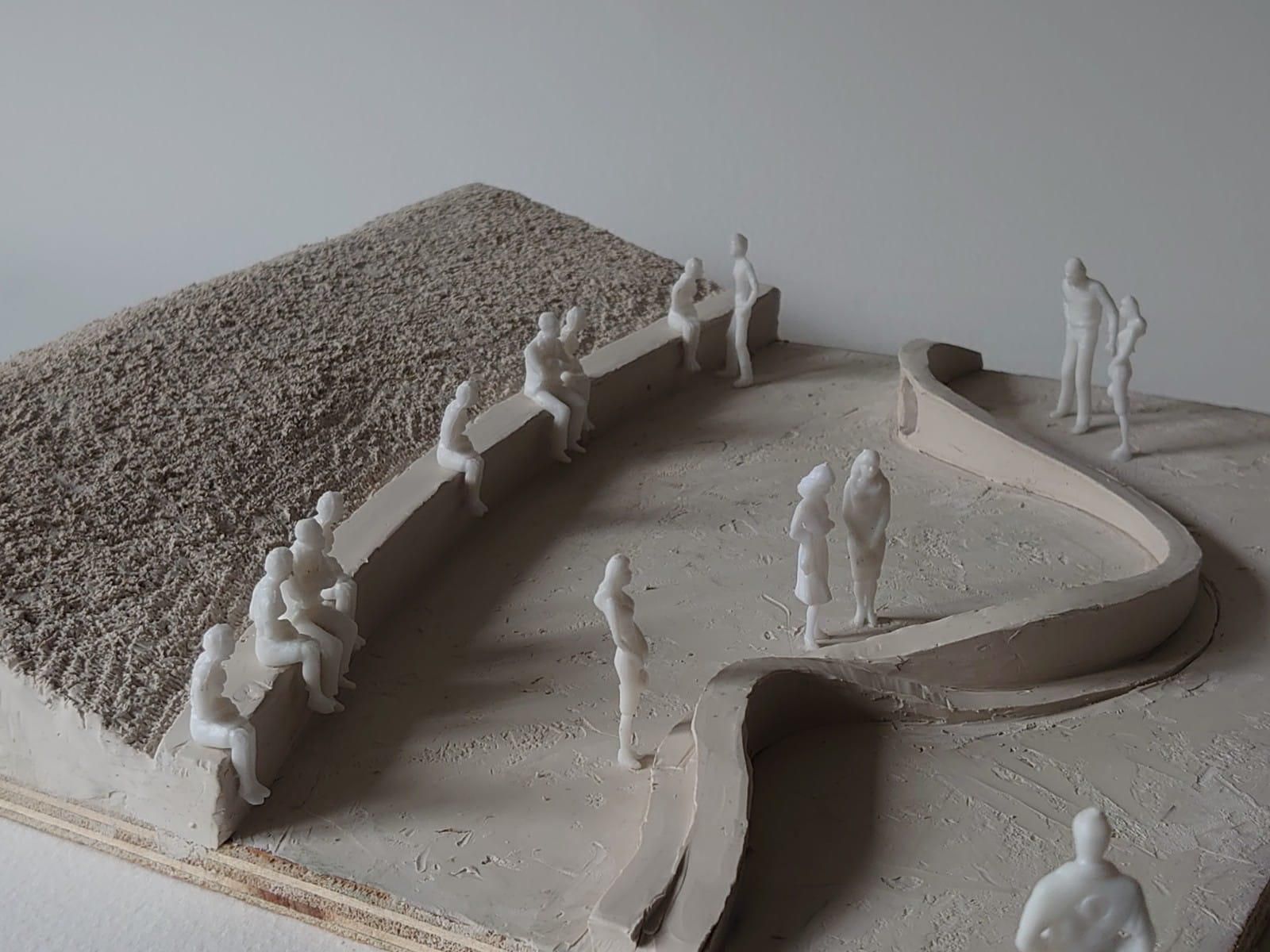
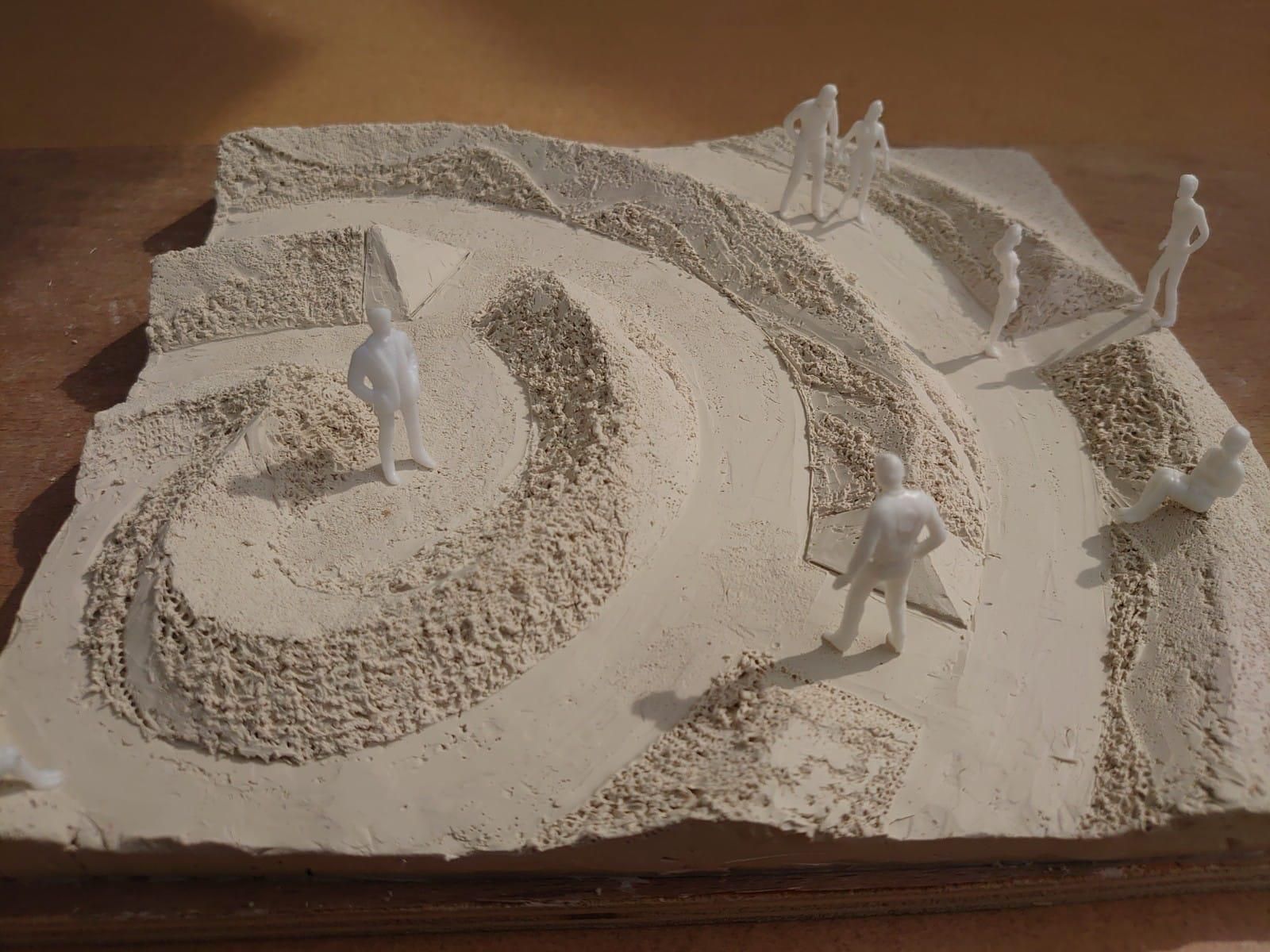
Earth Trust Concept ideas by artist Mel Chantrey working closely with the team from Davies White Landscape Architects

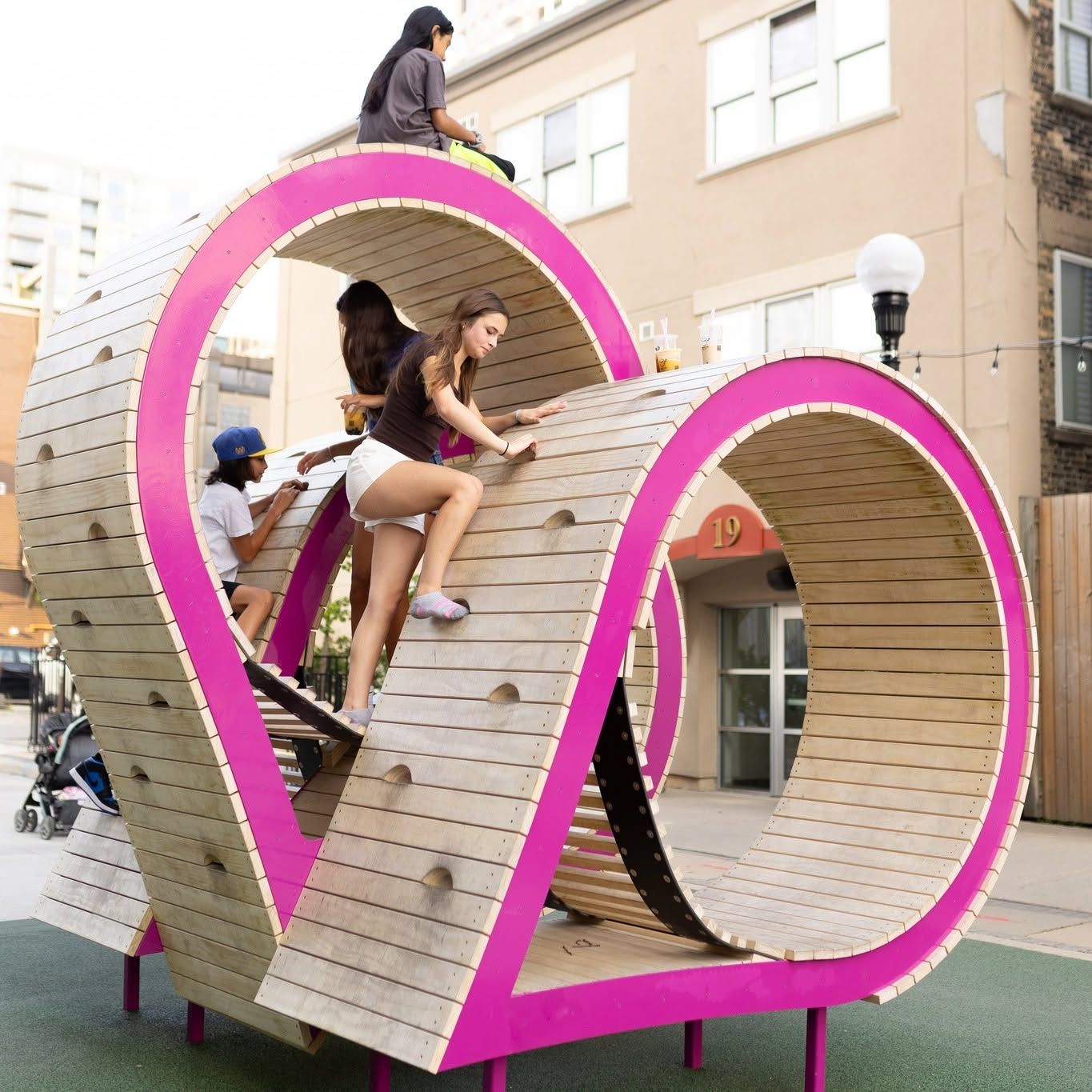
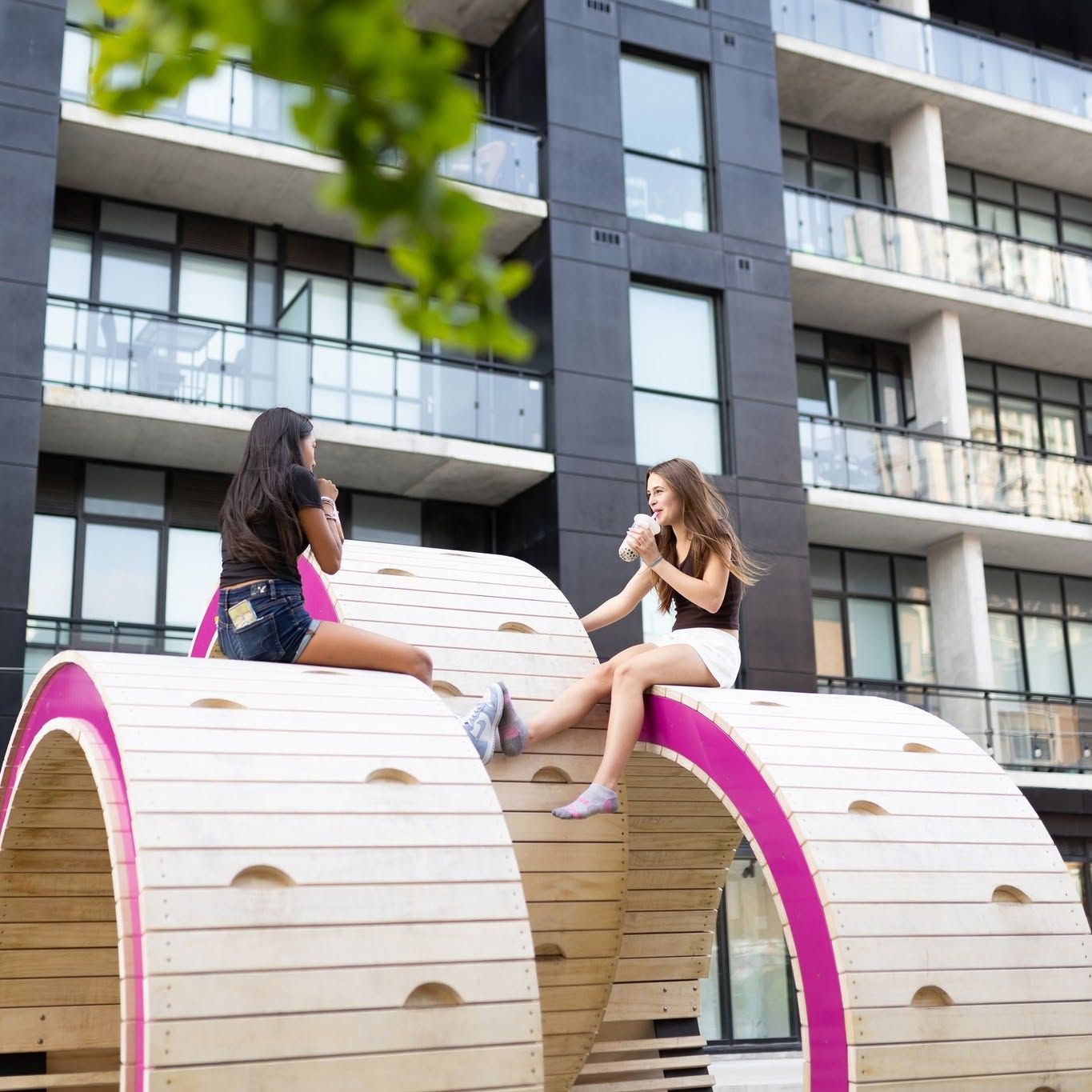
The best public spaces rarely emerge from a single drawing board. Whether it is a destination playground, a place of remembrance or a community gathering space, the projects that endure are almost always the result of collaboration between people with very different skills. Artists bring imagination and identity. Landscape architects understand people, place and nature. Specialist fabricators contribute the technical expertise needed to transform ambitious ideas into structures that are safe, durable and capable of standing the test of time.


The best public spaces rarely emerge from a single drawing board. Whether it is a destination playground, a place of remembrance or a community gathering space, the projects that endure are almost always the result of collaboration between people with very different skills. Artists bring imagination and identity. Landscape architects understand people, place and nature. Specialist fabricators contribute the technical expertise needed to transform ambitious ideas into structures that are safe, durable and capable of standing the test of time.


At Davies White, we've come to see our role as bringing these different disciplines together. As landscape architects, we often act as design integrators, ensuring creative ambition is balanced with engineering, accessibility, ecology, maintenance and long-term stewardship. But perhaps the most important collaboration is not between professionals at all. It is between the project team and the people who will eventually call a place their own.

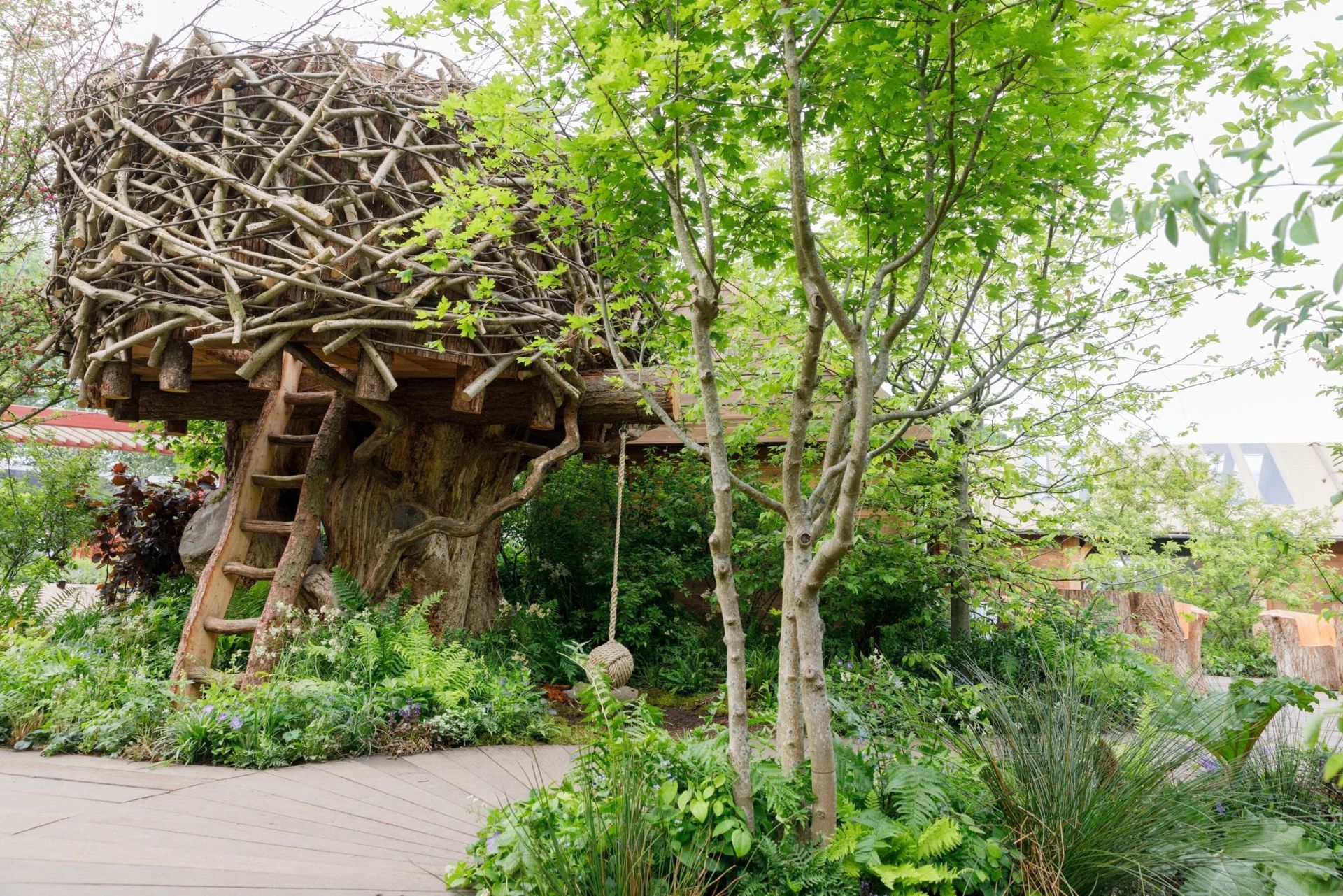
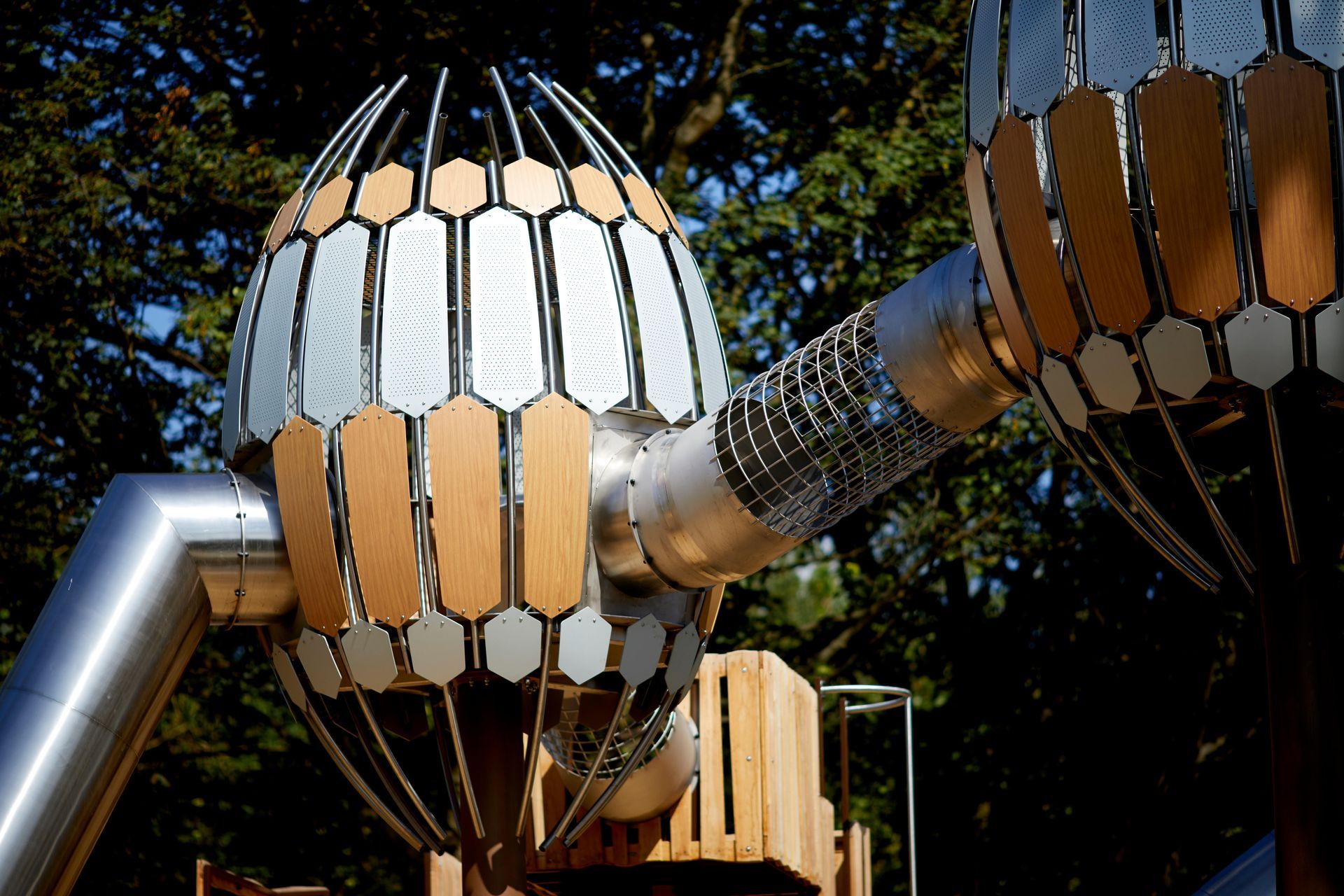
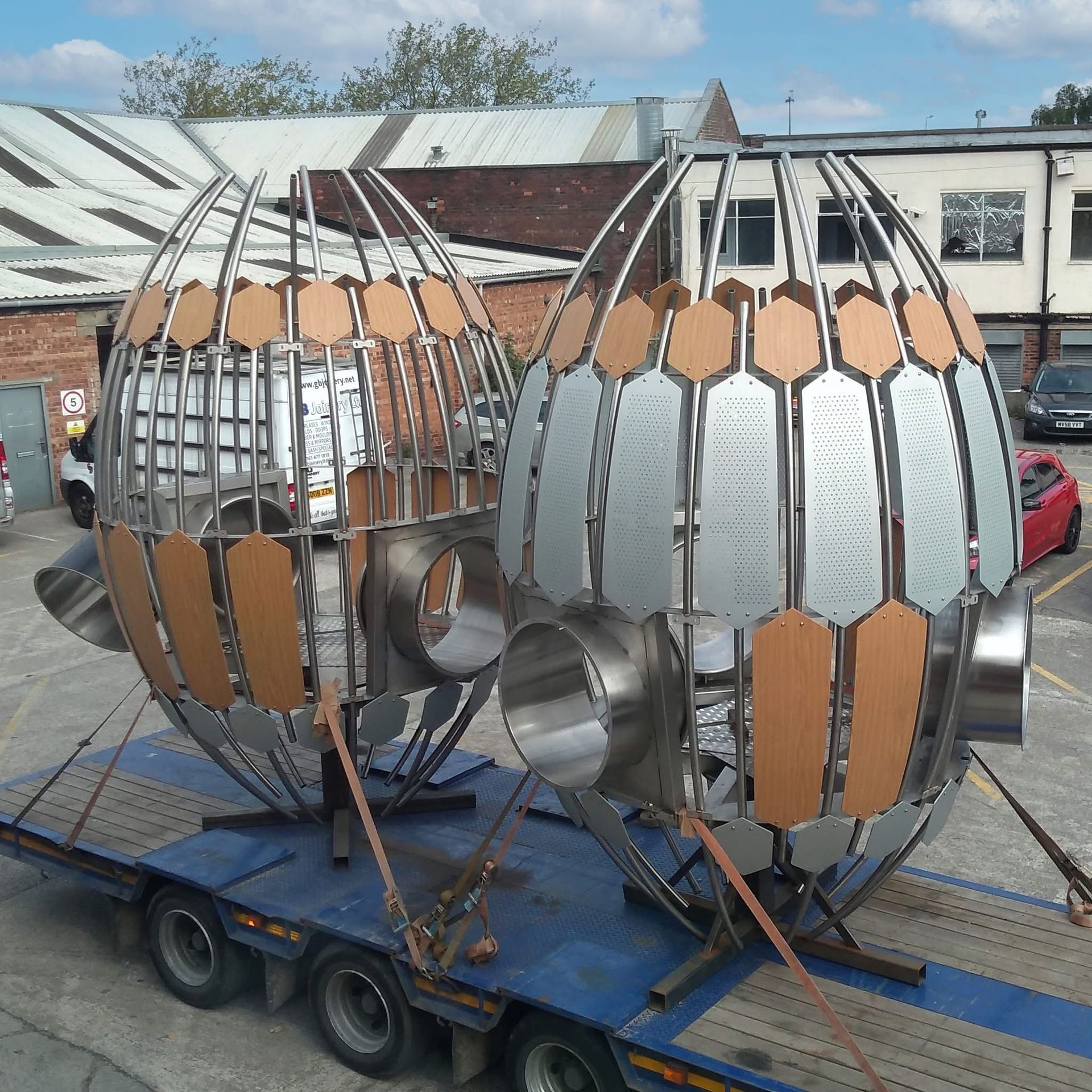
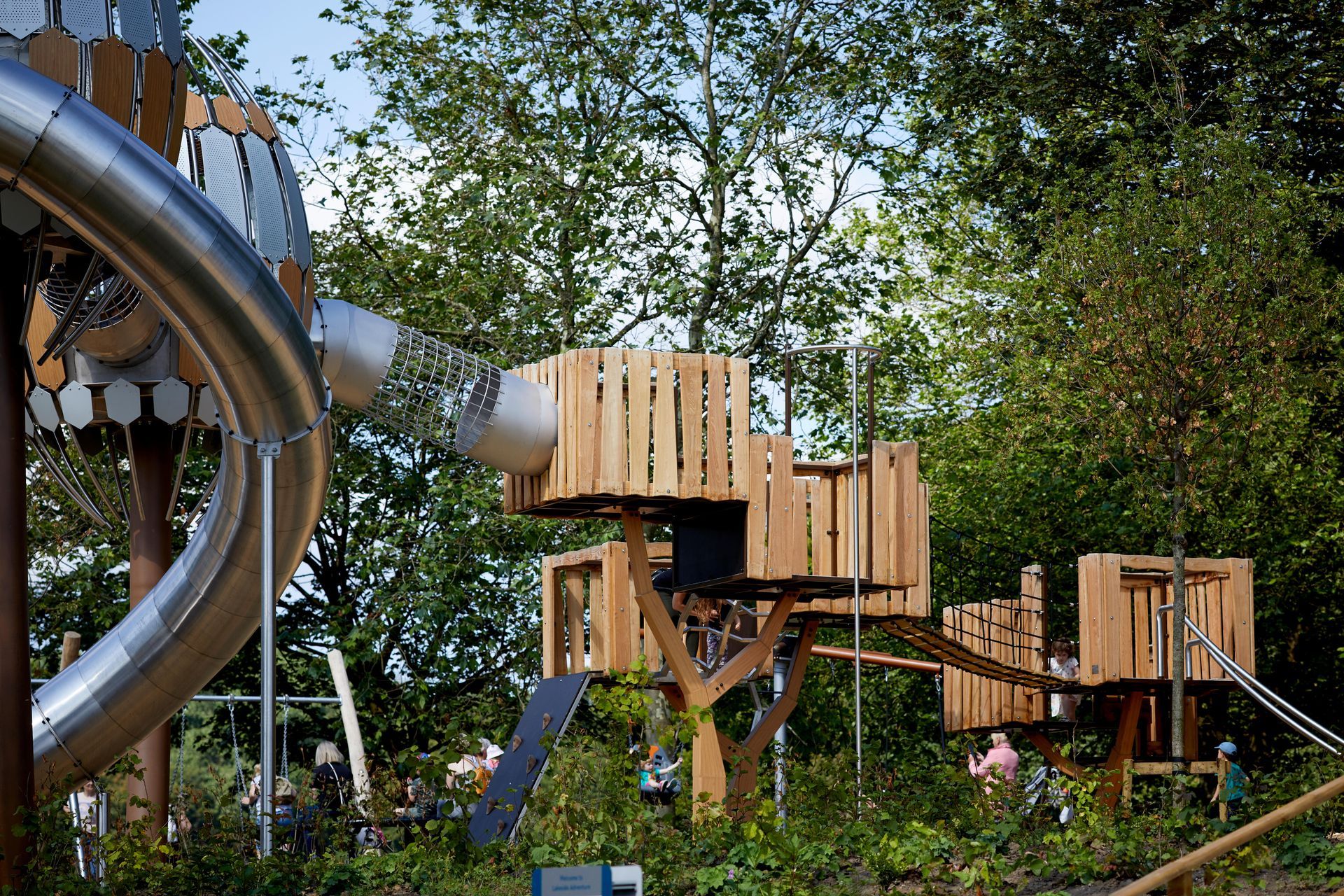
We first experienced the value of this approach at the Lakeside Adventure Playground in Heaton Park, Manchester. Inspired by the park's woodland character, the project brought together landscape architects, engineers and specialist fabricators to create the now iconic Bud Towers. By involving Massey & Harris from the earliest design stages, artistic ambition and technical delivery evolved side by side. The result was a series of striking structures that remain every bit as imaginative as they are robust, proving that creativity and technical excellence are strongest when they develop together.

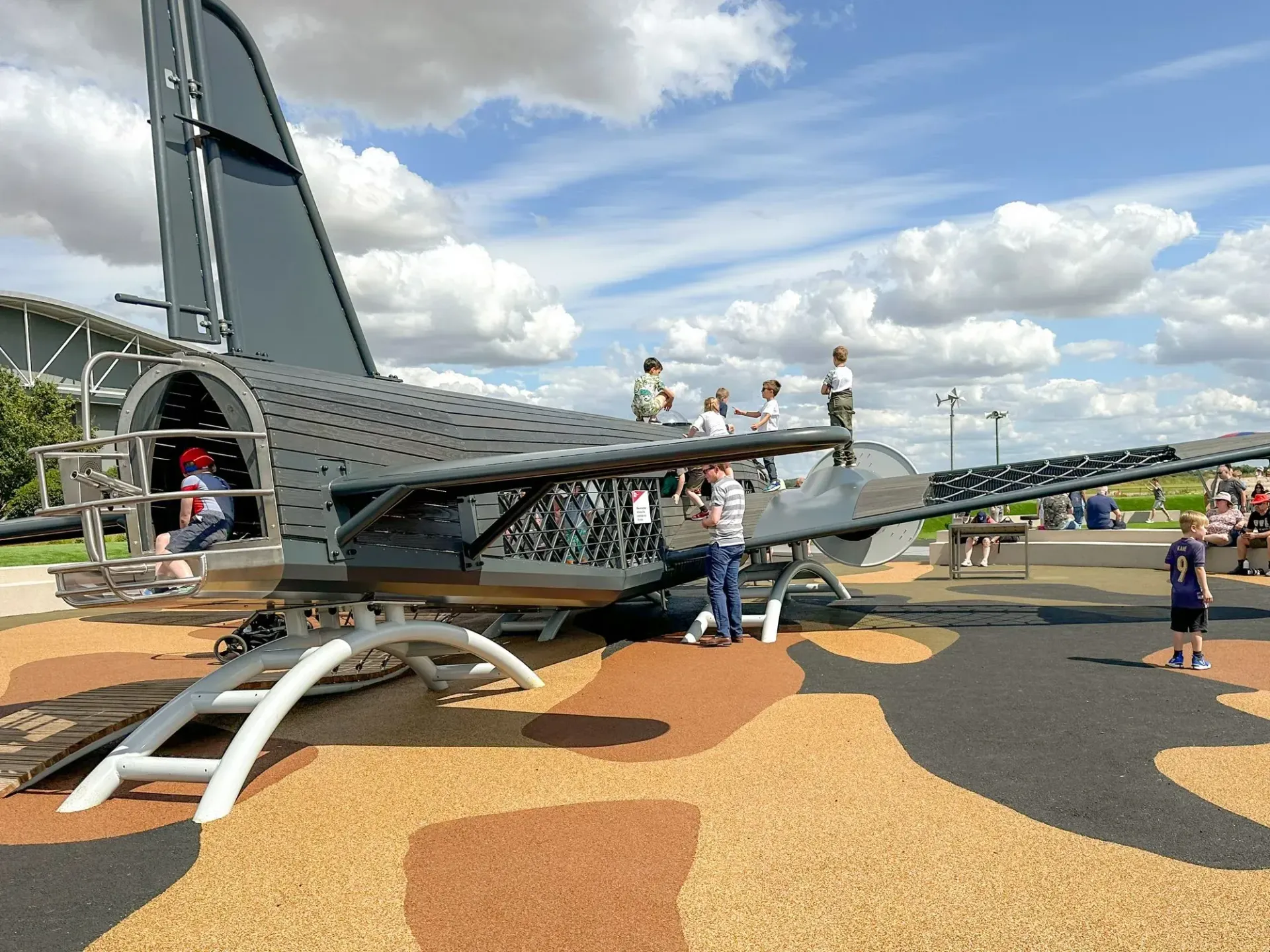
That philosophy continued at the Weston Play Zone at Imperial War Museum Duxford. Working alongside artist Mel Chantrey, specialist fabricators Massey & Harris, accessibility groups, museum staff and the wider consultant team, we helped create an aviation-inspired play environment that became the UK's first museum play space to achieve PiPA Silver Accreditation. Yet one of the most rewarding aspects of the project wasn't the finished structures. It was watching children explore materials, experiment with fabrication techniques, build models and influence the design long before construction began. They weren't simply consulted; they became part of the creative process itself.

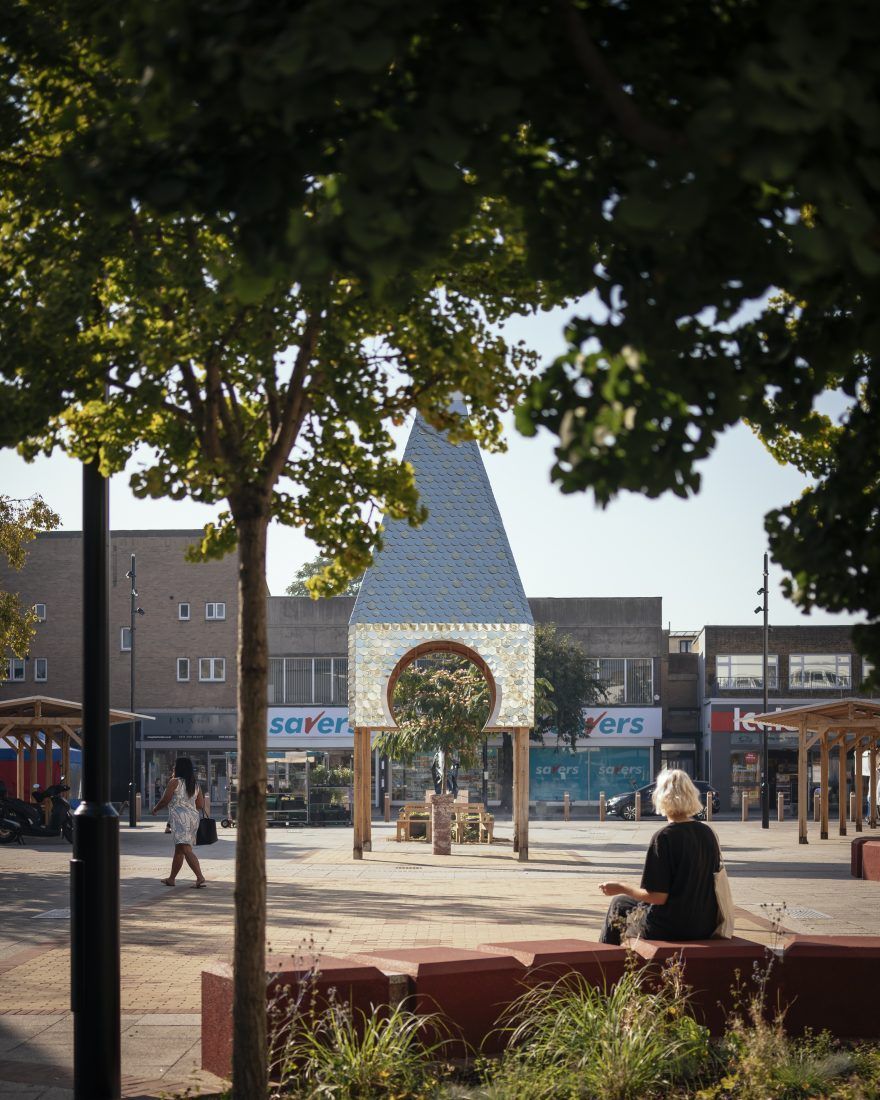
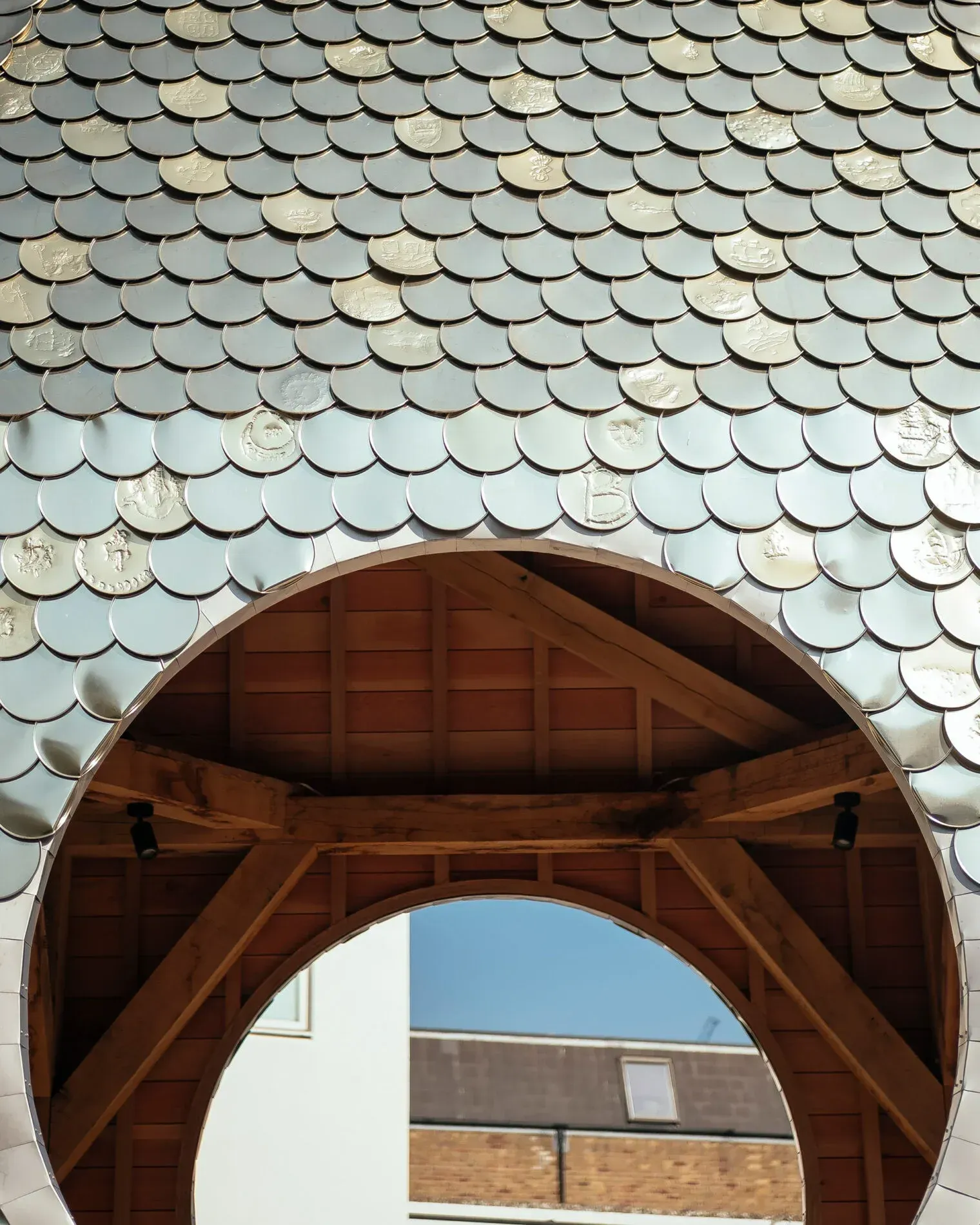
This idea of leaving a personal mark within a place is becoming an increasingly powerful aspect of placemaking. Hayatsu Architects demonstrated this beautifully at the Blue Market Clock Tower in Bermondsey, where local people engraved hundreds of the metal cladding discs with names, drawings and messages before they became part of the finished structure. The architecture became more than a landmark; it became a permanent record of the community that helped create it.

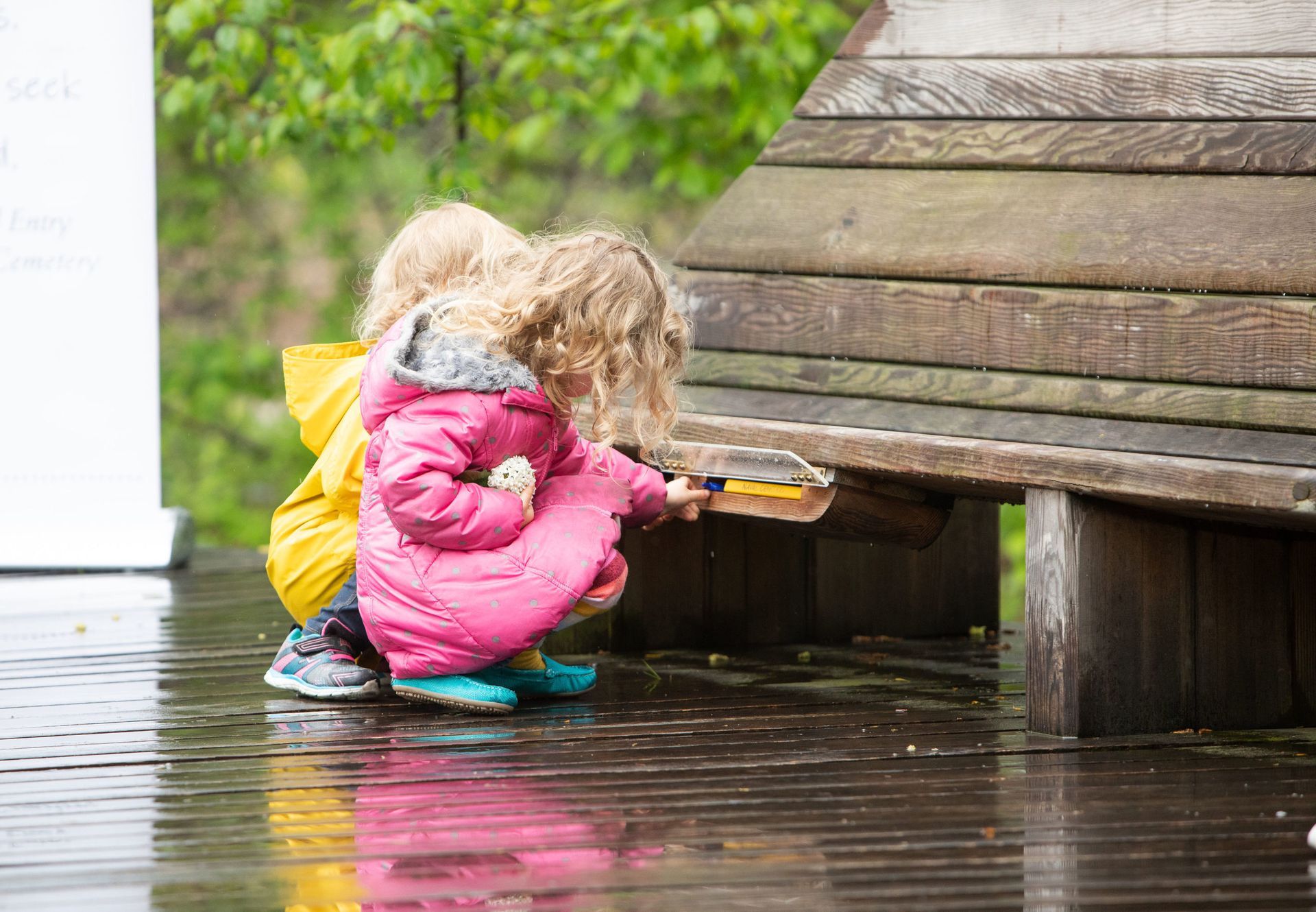
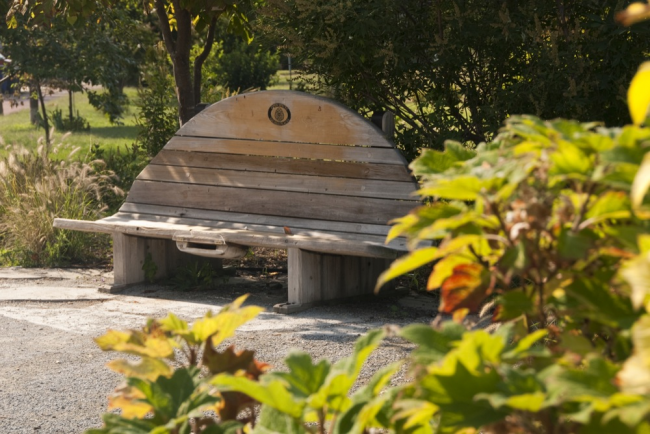
We're currently exploring similar ideas through two UK projects with Nature Sacred, an international charity creating places for reflection and wellbeing. Every Nature Sacred space includes a handcrafted bench with a hidden journal beneath the seat, inviting visitors to leave a story, memory or message for someone they will never meet. It is a beautifully simple idea that reminds us placemaking doesn't end when construction finishes. The landscape continues to evolve as people add their own experiences to it over time.

We've witnessed the same principle in projects as varied as the London Blossom Garden in Queen Elizabeth Olympic Park and Soho Parish CE Primary School, where artists, craftspeople, pupils, local communities and clients all influenced the final outcome. Every project has reinforced the same lesson: people care more deeply about places when they have helped shape them, contributed to them or can recognise a small part of themselves within them.

This collaborative philosophy is becoming increasingly important as the profession responds to a growing body of research and guidance, including Make Space for Girls, Play England's Design for Play, PiPA, BS 8300, the GLA's guidance on creating safer public spaces for women, girls and gender-diverse people, and the LLDC Inclusive Design Standards. While each approaches the subject from a different perspective, they all arrive at a remarkably similar conclusion. Successful public spaces are measured not simply by how they look, but by who feels welcome within them, who feels represented, and whether people develop a genuine sense of ownership.

The most memorable places are those where people can leave something of themselves behind.

Perhaps that is the future of placemaking. Not simply designing beautiful places for communities, but creating places with them. When artists, landscape architects, engineers, fabricators and local people all leave something of themselves behind, a project becomes more than a successful piece of design. It becomes part of a community's shared story.

Because the landscapes we remember most are rarely those that were simply built for us. They are the places where we can still find a little of ourselves.

Contact Us

Recent Posts

Carol Klein's approach to climate-resilient and drought-tolerant gardens revolves around selecting
By By Adam White July 13, 2026
The future of planting design isn't about finding a handful of "climate-proof" plants. It's about creating resilient plant communities that work with nature, support biodiversity and continue to thrive as our climate changes.
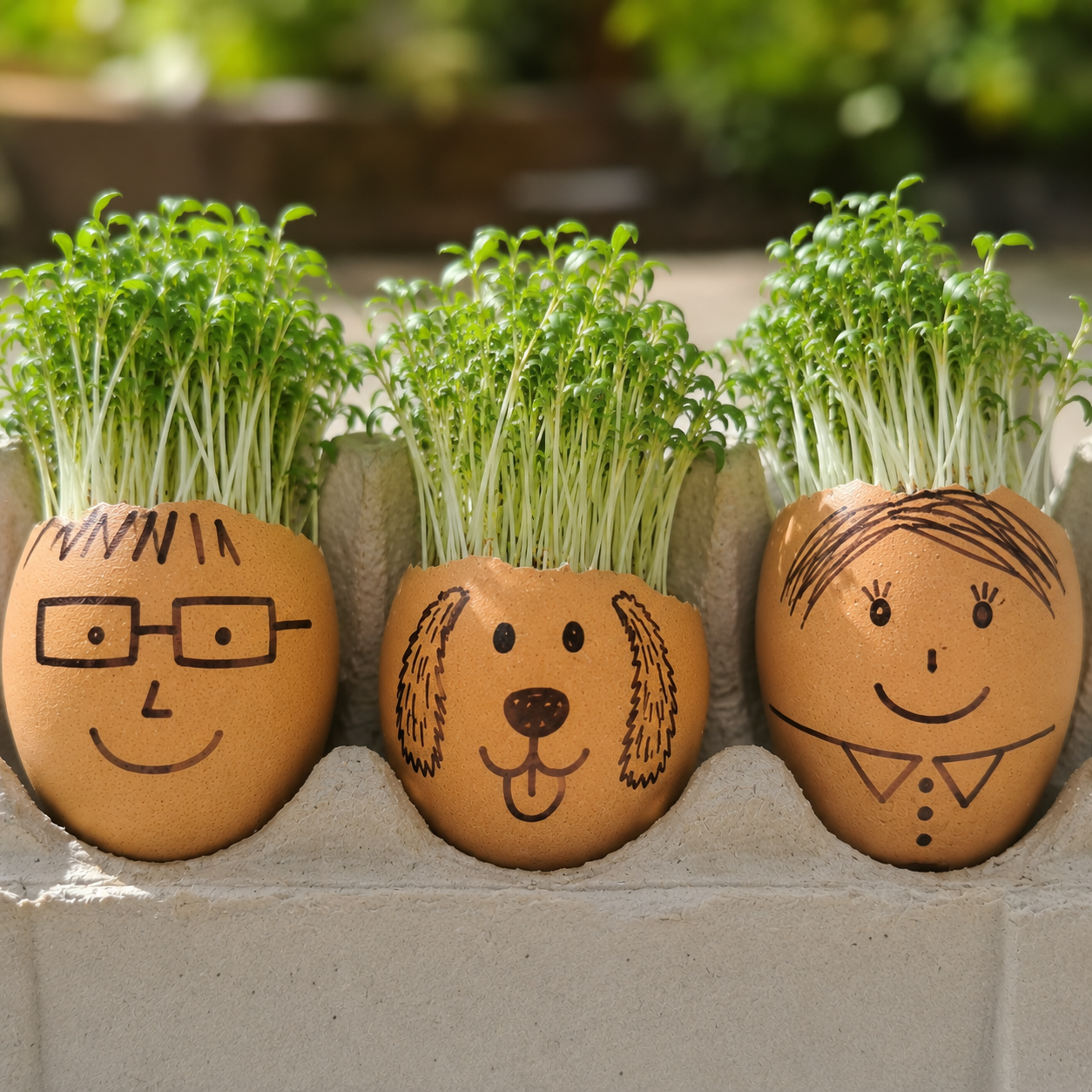
Every great growing space starts with a single seed.
Celebrate the launch of Growing Spaces!
By From Davies White July 3, 2026
To celebrate the publication of Growing Spaces we'd be delighted to send you a copy, together with a packet of Grow Happy cress seeds.
Green space, clean air and community lead the wish list for new homes.
By From the Landscape Institute June 30, 2026
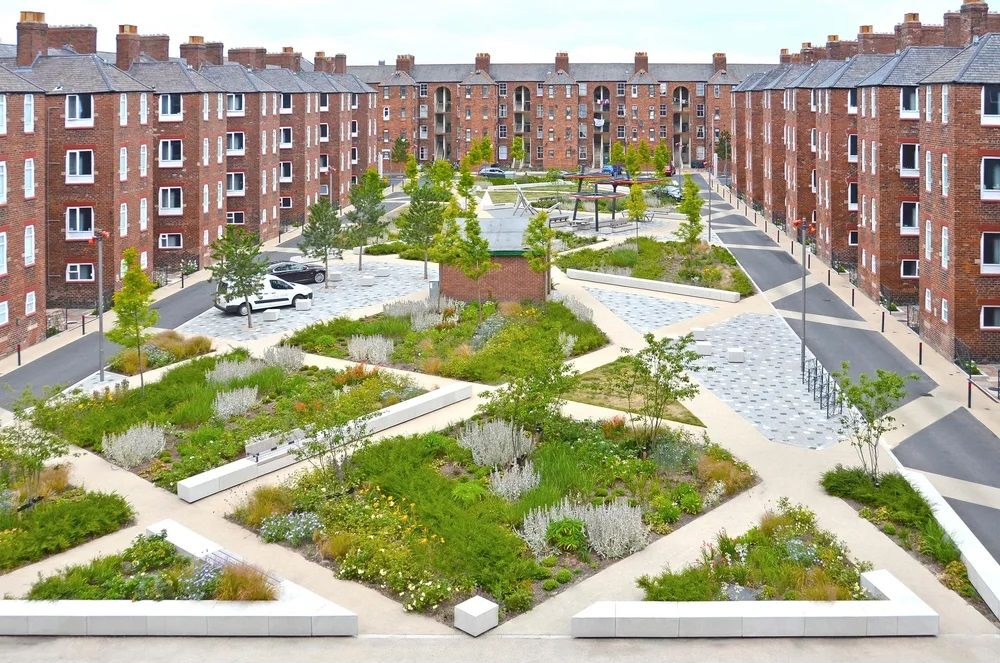
The landscape at Maritime Streets has changed perceptions – kick-starting the renewal of one of the country’s most deprived areas.
Tim Upson is to step down as Director of Gardens and Horticulture at the Royal Horticultural Society
By Adam White June 24, 2026
Tim Upson is to step down as Director of Gardens and Horticulture at the Royal Horticultural Society (RHS), ending a 12-year tenure as the charity’s longest-serving Director of Horticulture.

By Adam White June 22, 2026
Why This Matters As climate change, water scarcity, flooding, overheating and biodiversity loss reshape the way places are designed, landscape has become critical infrastructure. Gardens, green spaces, streetscapes, green corridors and country parks are no longer simply amenities. They help manage water, support biodiversity, improve health and wellbeing, create opportunities for play and strengthen community identity.  At the same time, homebuyers increasingly value access to nature, attractive green spaces, wildlife, shade and outdoor living. The Climate Resilient Communities Standard™ is being developed to help developers, planners and communities better understand, measure and demonstrate the value of high-quality gardens, landscapes and green infrastructure within new housing developments.

Sarah Eberle FLI FSGLD and Dr Juliet Sargeant FLI FSGLD both appointed MBE
By Adam White June 13, 2026
Sarah Eberle FLI FSGLD and Dr Juliet Sargeant FLI FSGLD both appointed Members of the Order of the British Empire (MBE) for services to horticulture.
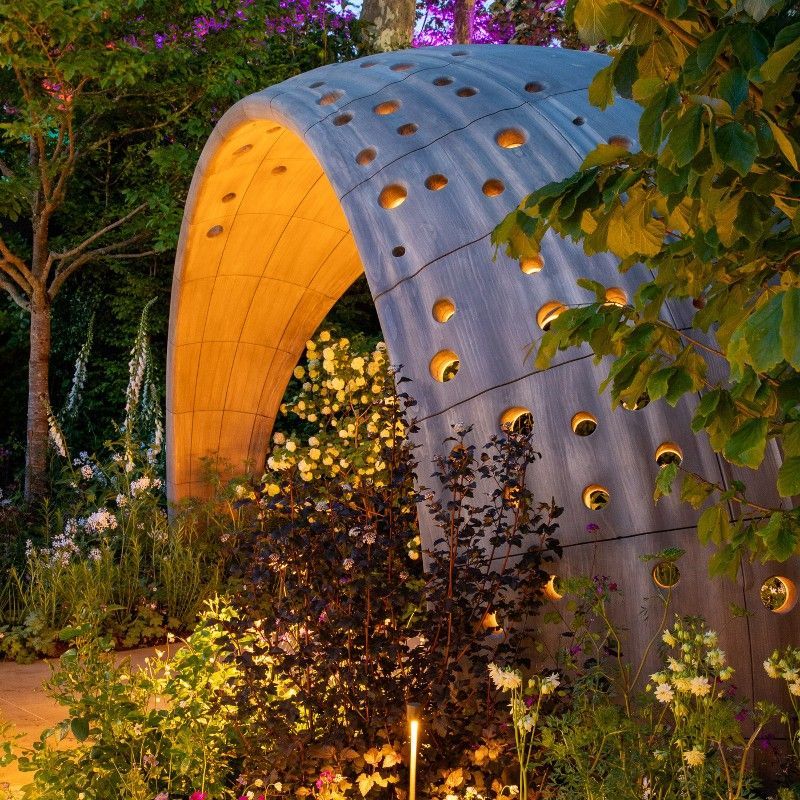
Modern garden with circular stone benches, a perforated metal sculpture, and lush greenery and flowers
By By Adam White FLI PPLI June 1, 2026
Few events occupy such an important place in the horticultural and landscape calendar as the RHS Chelsea Flower Show. Held annually in the grounds of the Royal Hospital Chelsea, the show attracts designers, landscape architects, contractors, growers, suppliers, charities, sponsors, journalists and visitors from around the world. For members of the Landscape Institute, Chelsea holds an even deeper significance.
Davies White & Community Playthings | Early Years Outdoor Learning Design for Schools and Nurseries
By Adam White May 14, 2026
Davies White Landscape Architects and Community Playthings are partnering to share best practice in designing inclusive, sustainable and biodiverse outdoor learning spaces for early years schools and nurseries. Request your free guide or book a Zoom session to discuss your project.
Sir David Attenborough at 100: A Voice That Continues to Shape Our Relationship with Nature
By Adam White May 8, 2026
Sir David Attenborough at 100: A Voice That Continues to Shape Our Relationship with Nature
Adam White and Andree Davies catch up with their friend and colleague Nigel Dunnett at RHS Chelsea i
By By Adam White FLI PPLI April 28, 2026
A personal reflection on Nigel Dunnett, celebrating his influence on planting design, his generosity as a colleague and friend and his lasting legacy.
Show More