
Are Some of Our Favourite Garden Plants Beginning to Struggle?

By Adam White

Share this article

The future of planting design isn't about finding a handful of "climate-proof" plants. It's about creating resilient plant communities that work with nature, support biodiversity and continue to thrive as our climate changes.

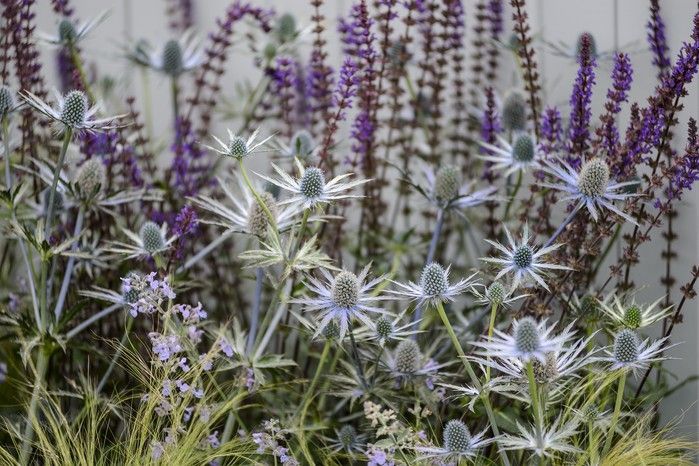
Think of the now familiar combination of Salvia 'Caradonna' and the steel-blue flowers of Eryngium. Once considered something of a specialist planting palette, these drought-tolerant perennials are becoming increasingly common in gardens and public landscapes as designers respond to hotter, drier summers. Photo credit & thanks to Jason Ingram.

Following my recent post, Richard Cocker asked a brilliant question: "Have you seen a trend of plants that are no longer thriving in the UK?" The honest answer is yes and no. It's not that familiar garden plants have suddenly become impossible to grow. Rather, a succession of hotter, drier summers is revealing which species are naturally more resilient and which increasingly depend on irrigation, cooler conditions or moisture-retentive soils.


What's particularly interesting is that this isn't a new conversation. Leading planting designers Piet Oudolf, Nigel Dunnett, James Hitchmough and Thomas Rainer have all been exploring how planting design should respond to a changing climate for many years.


Drawing on the work of Professor Nigel Dunnett, together with guidance from the Royal Horticultural Society (RHS), the following plants can struggle during prolonged periods of heat and drought, particularly in exposed or free-draining gardens:

Plants showing signs of stress:

  • Hydrangea
  • Hosta
  • Astilbe
  • Ligularia
  • Rodgersia
  • Primula
  • Delphinium
  • Lupins
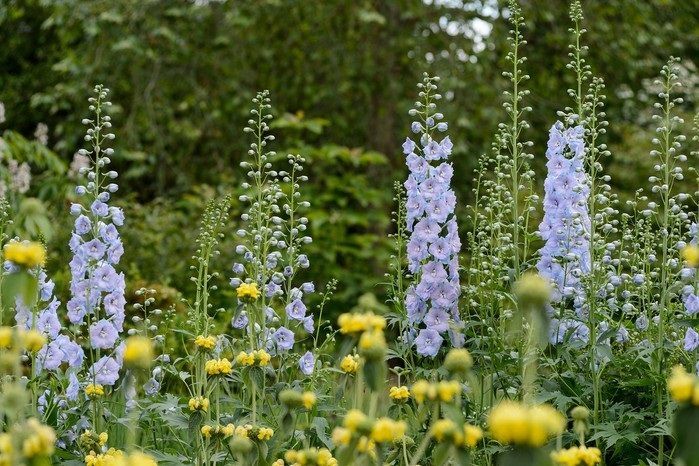
GG-Delphinium- credit Jason Ingram

That doesn't mean these plants no longer have a place in our gardens. It simply means they increasingly benefit from thoughtful positioning, improved soil moisture, shade or supplementary watering. Across the work of Nigel Dunnett, James Hitchmough, Thomas Rainer and the RHS, a different group of plants appears time and again for their ability to cope with challenging conditions:

Plants proving more resilient:

  • Salvia
  • Achillea
  • Eryngium
  • Nepeta
  • Verbena bonariensis
  • Perovskia (Russian Sage)
  • Stipa
  • Helictotrichon
  • Dianthus


As featured: Carol Klein champions climate-resilient planting at RHS Hampton in 2023 with plants that thrive in hot, dry, and arid conditions. Her approach focuses on drought-tolerant perennials and structural plants that maintain a lush, abundant, and wildlife-friendly aesthetic without relying heavily on intensive watering.

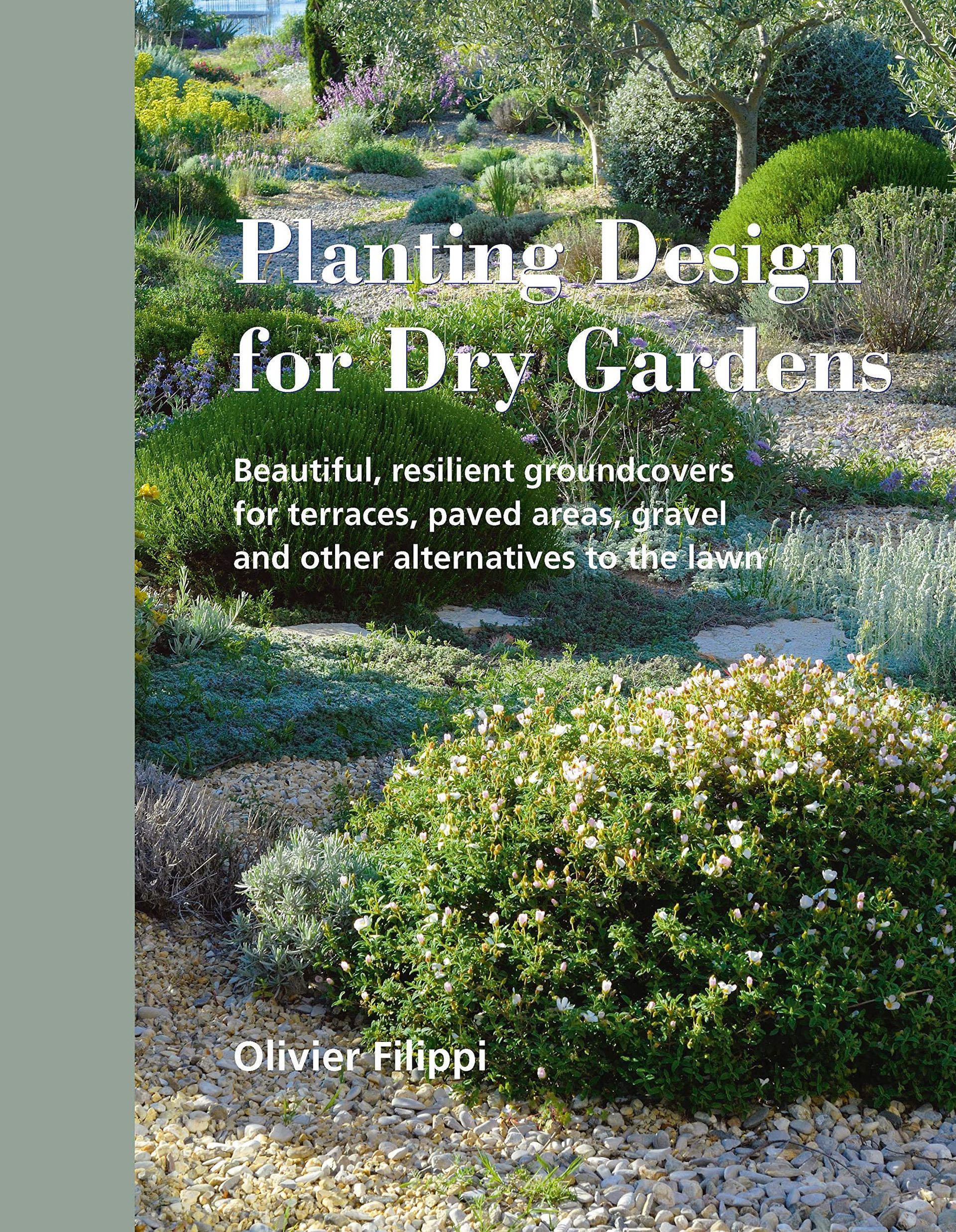
As Professor Nigel Dunnett wrote of Olivier Filippi’s work on dry gardens:

“Learning from nature can give us the best of all worlds: beautiful and sustainable gardens with a unique sense of place.”

That feels like the opportunity before us. Some familiar plants may struggle, and our gardens may need to change, but that does not mean accepting something less beautiful. By responding intelligently to soil, climate and place, we can create gardens that are more resilient, more diverse and every bit as inspiring.

Recent Posts

Every great growing space starts with a single seed.
Celebrate the launch of Growing Spaces!
By From Davies White July 3, 2026
To celebrate the publication of Growing Spaces we'd be delighted to send you a copy, together with a packet of Grow Happy cress seeds.
Green space, clean air and community lead the wish list for new homes.
By From the Landscape Institute June 30, 2026
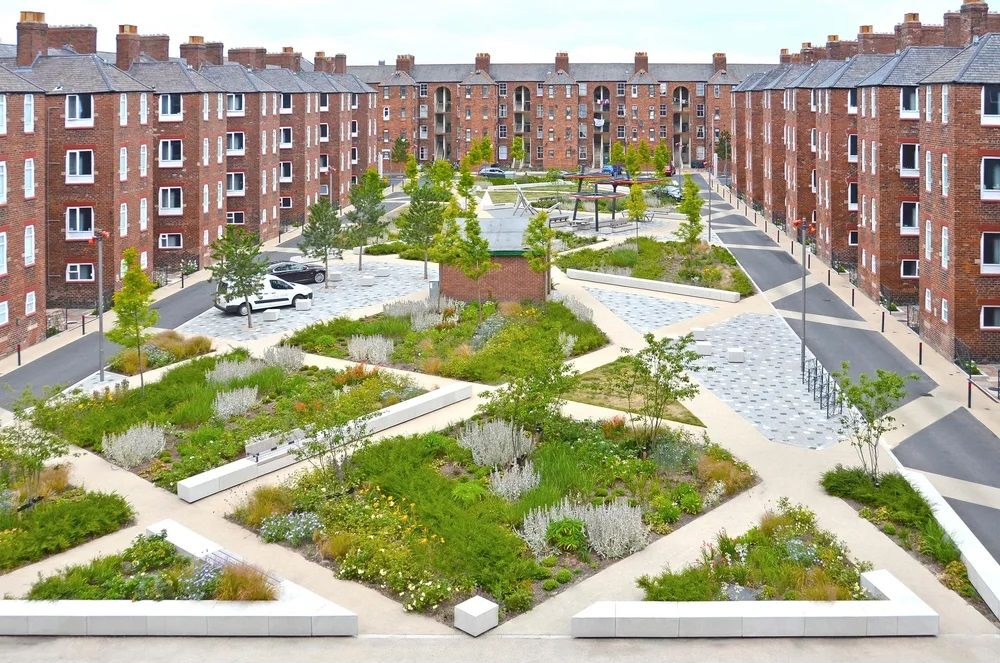
The landscape at Maritime Streets has changed perceptions – kick-starting the renewal of one of the country’s most deprived areas.

Tim Upson is to step down as Director of Gardens and Horticulture at the Royal Horticultural Society
By Adam White June 24, 2026
Tim Upson is to step down as Director of Gardens and Horticulture at the Royal Horticultural Society (RHS), ending a 12-year tenure as the charity’s longest-serving Director of Horticulture.

By Adam White June 22, 2026
Why This Matters As climate change, water scarcity, flooding, overheating and biodiversity loss reshape the way places are designed, landscape has become critical infrastructure. Gardens, green spaces, streetscapes, green corridors and country parks are no longer simply amenities. They help manage water, support biodiversity, improve health and wellbeing, create opportunities for play and strengthen community identity.  At the same time, homebuyers increasingly value access to nature, attractive green spaces, wildlife, shade and outdoor living. The Climate Resilient Communities Standard™ is being developed to help developers, planners and communities better understand, measure and demonstrate the value of high-quality gardens, landscapes and green infrastructure within new housing developments.

Sarah Eberle FLI FSGLD and Dr Juliet Sargeant FLI FSGLD both appointed MBE
By Adam White June 13, 2026
Sarah Eberle FLI FSGLD and Dr Juliet Sargeant FLI FSGLD both appointed Members of the Order of the British Empire (MBE) for services to horticulture.
Modern garden with circular stone benches, a perforated metal sculpture, and lush greenery and flowers
By By Adam White FLI PPLI June 1, 2026
Few events occupy such an important place in the horticultural and landscape calendar as the RHS Chelsea Flower Show. Held annually in the grounds of the Royal Hospital Chelsea, the show attracts designers, landscape architects, contractors, growers, suppliers, charities, sponsors, journalists and visitors from around the world. For members of the Landscape Institute, Chelsea holds an even deeper significance.
Davies White & Community Playthings | Early Years Outdoor Learning Design for Schools and Nurseries
By Adam White May 14, 2026
Davies White Landscape Architects and Community Playthings are partnering to share best practice in designing inclusive, sustainable and biodiverse outdoor learning spaces for early years schools and nurseries. Request your free guide or book a Zoom session to discuss your project.
Sir David Attenborough at 100: A Voice That Continues to Shape Our Relationship with Nature
By Adam White May 8, 2026
Sir David Attenborough at 100: A Voice That Continues to Shape Our Relationship with Nature
Adam White and Andree Davies catch up with their friend and colleague Nigel Dunnett at RHS Chelsea i
By By Adam White FLI PPLI April 28, 2026
A personal reflection on Nigel Dunnett, celebrating his influence on planting design, his generosity as a colleague and friend and his lasting legacy.
Why developers work with Davies White
By By Adam White FLI PPLI April 8, 2026
While natural play space design remains an important part of our portfolio, we are also landscape architects specialising in stakeholder engagement and landscape-led masterplanning.
Show More