
Landscape Is Everywhere: Tony Juniper’s Message to the Landscape Profession
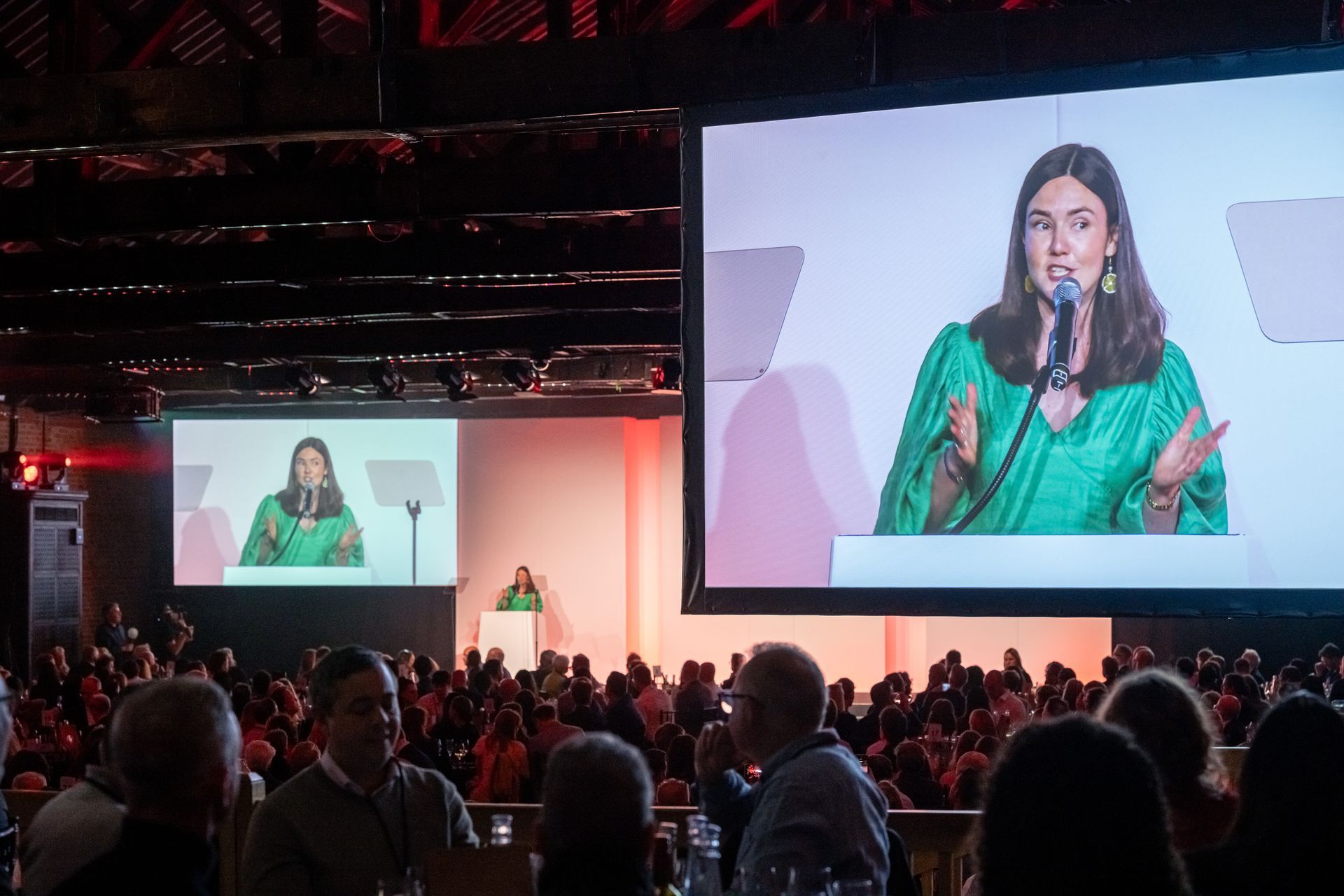
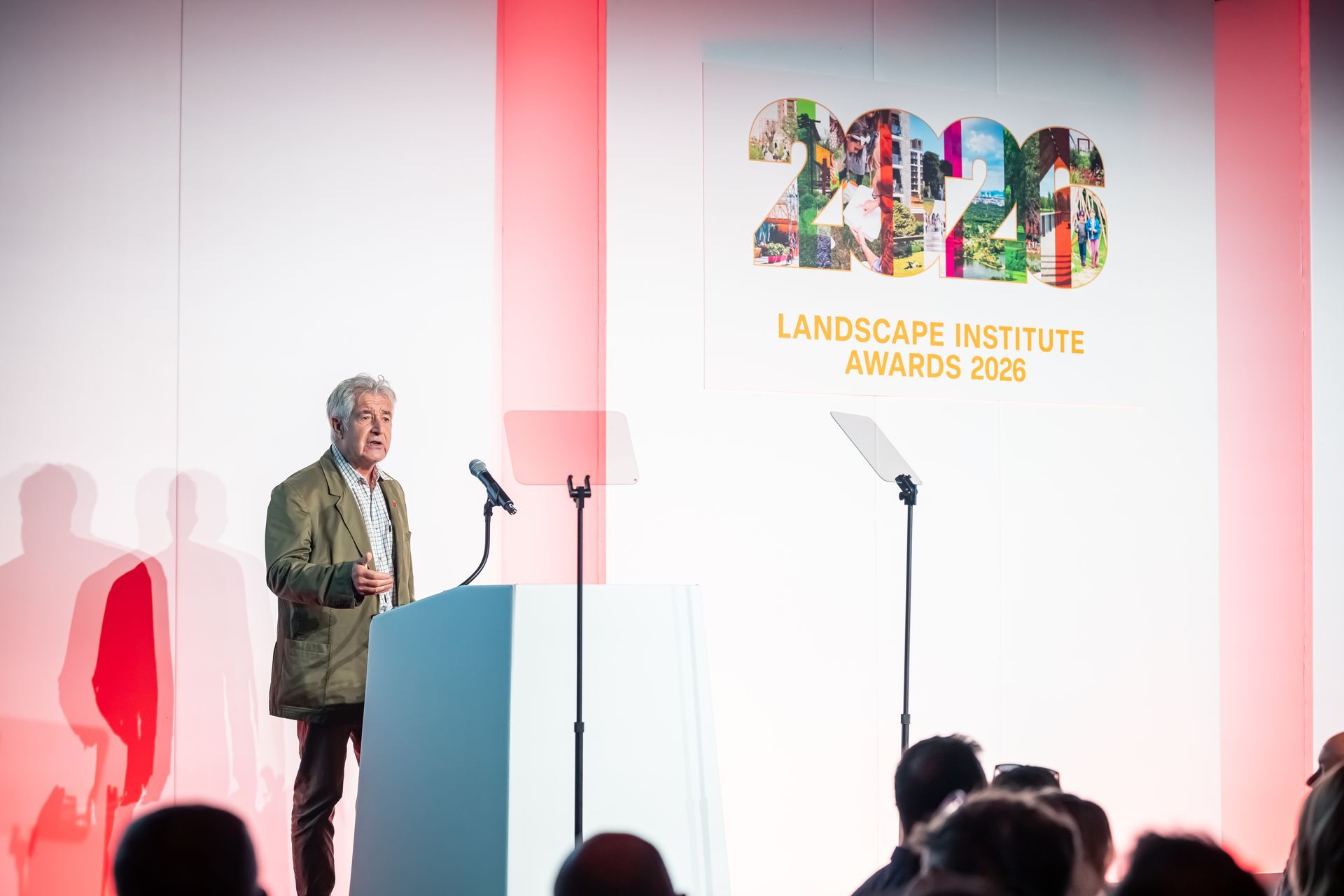
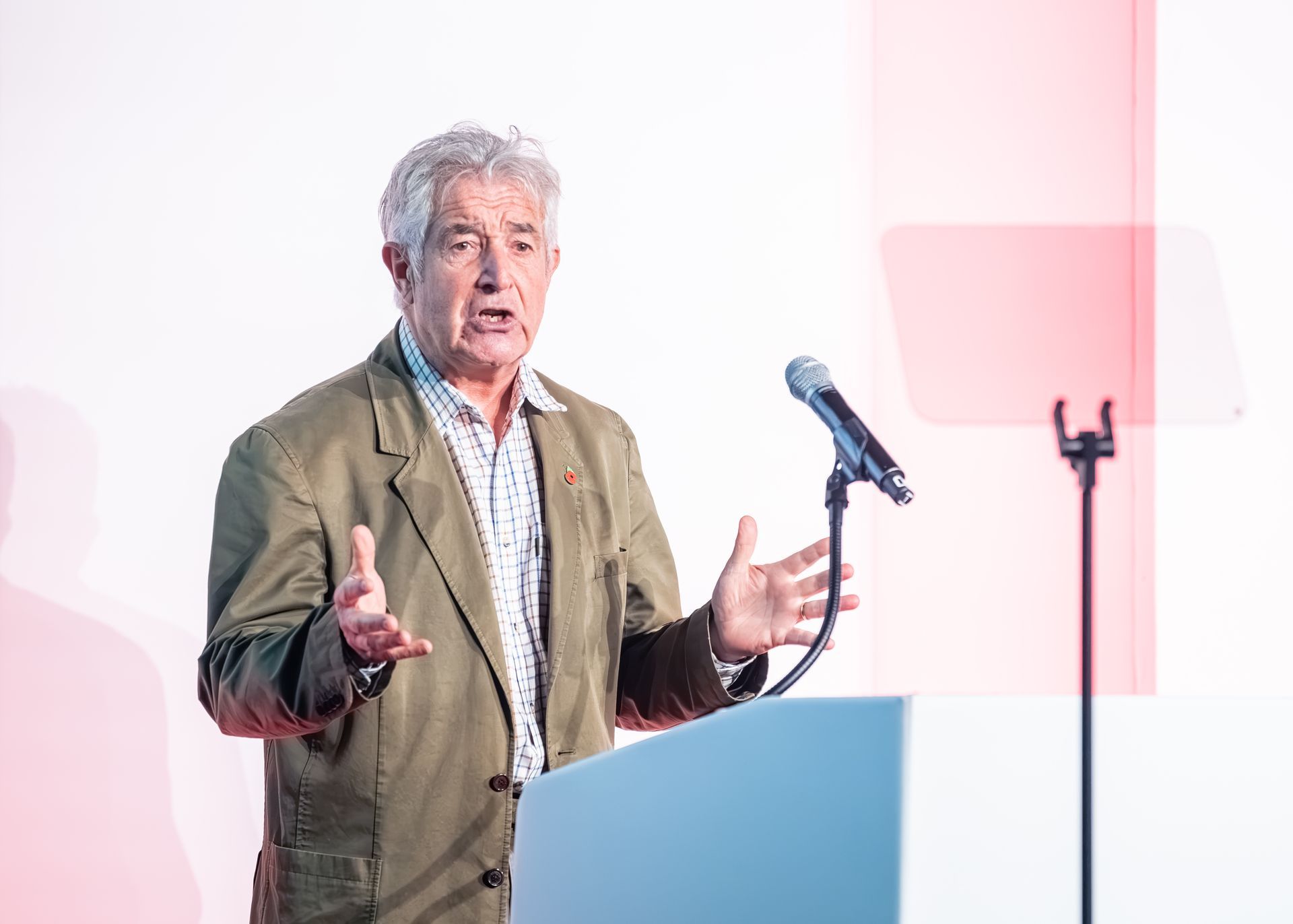
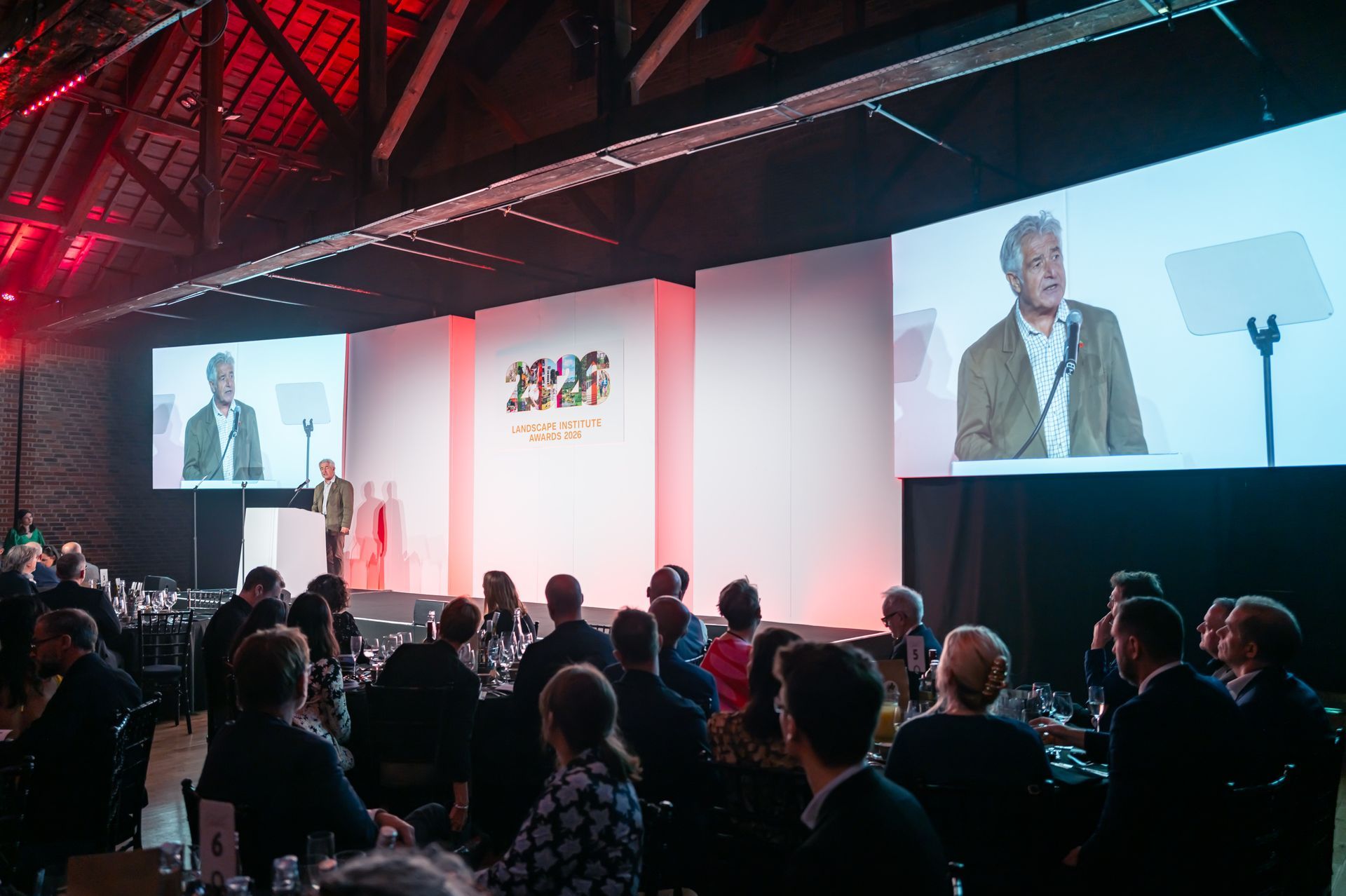
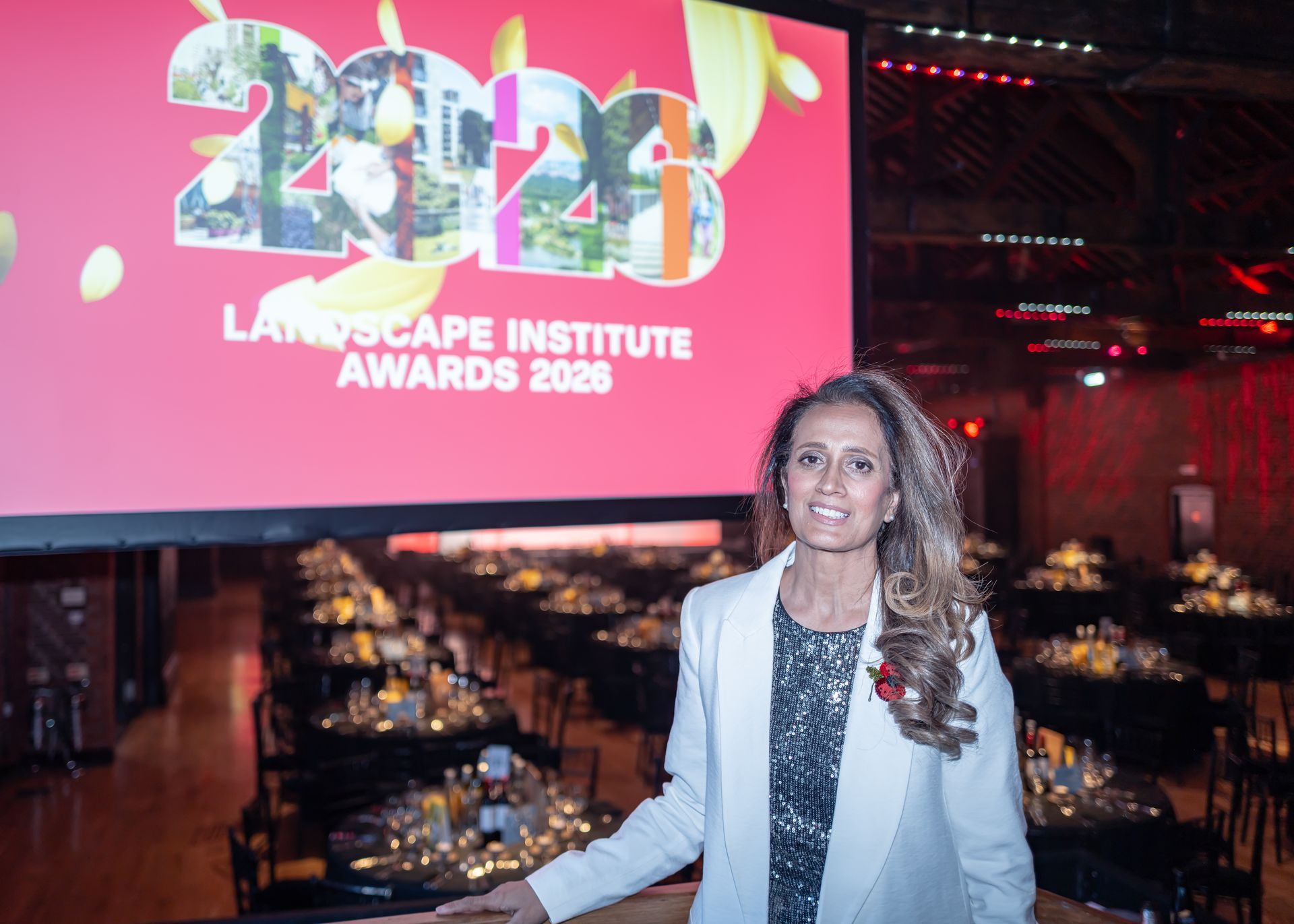
At the Landscape Institute Awards 2026 at The Brewery in London, Dr Tony Juniper CBE, Chair of Natural England, opened the ceremony with a powerful reminder of why landscape matters. Introduced by our host, Channel 4 News journalist Maeve Campbell, who spoke warmly of her longstanding admiration for his work, Tony challenged us to think beyond individual projects and consider the legacy we are creating for the nation.

Landscape is everywhere
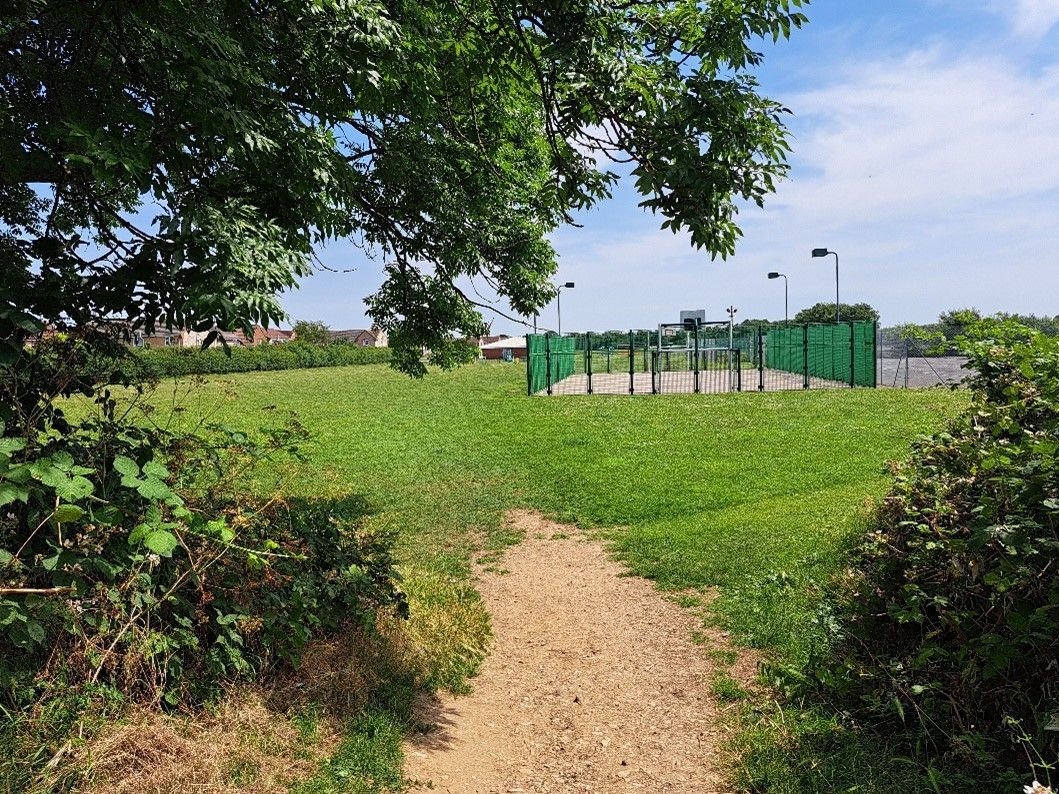
When people hear the word landscape, they often think of national parks, mountains and countryside. Tony reminded us that “landscape is literally everywhere”: from the Lake District to the streets of our largest cities. It shapes our everyday experience, whether through a park, a school playground, a street tree or the view from our front door. That breadth is precisely why the landscape profession is so important.
Growth, health and security
Tony explored Natural England’s strategy, Recovering Nature for Growth, Health and Security, and challenged the assumption that nature recovery and economic growth must compete.
Attractive, healthy places encourage investment and help communities thrive. Nature is not a cost to be added after development; it is part of the foundation of lasting prosperity.
He also emphasised the health benefits of access to green space, citing research suggesting that every £1 invested in local access can generate £7 in avoided NHS costs. Beyond physical and mental wellbeing, nature-rich places can strengthen social cohesion and environmental justice. These are outcomes that matter to everyone, not only those working in the environmental sector.
Perhaps most striking was his argument that landscape is also a matter of national security. Our food and water depend on functioning natural systems. Wetlands, peatlands and healthy soils help manage water, while resilient landscapes can reduce the impacts of flooding, heat and wildfire. The condition of our landscapes is inseparable from the resilience of our communities.
The problem with short-term thinking
Tony introduced an acronym that deserves to travel far beyond the awards: “NYMTO — Not in My Term of Office.” Unlike NIMBY, it points to political short-termism: the reluctance to commit to benefits that may not arrive within an election cycle. Yet trees take decades to mature, habitats need time to recover, and climate resilience requires decisions made with future generations in mind.
Landscape architects are trained to think across those timescales. We must make the case for long-term investment even when the benefits are difficult to capture in an immediate financial or political return. Good landscape design is not a finishing touch; it is a commitment to stewardship.

Landscape architects are trained to think across those timescales. We must make the case for long-term investment even when the benefits are difficult to capture in an immediate financial or political return. Good landscape design is not a finishing touch; it is a commitment to stewardship.

The trees we leave behind
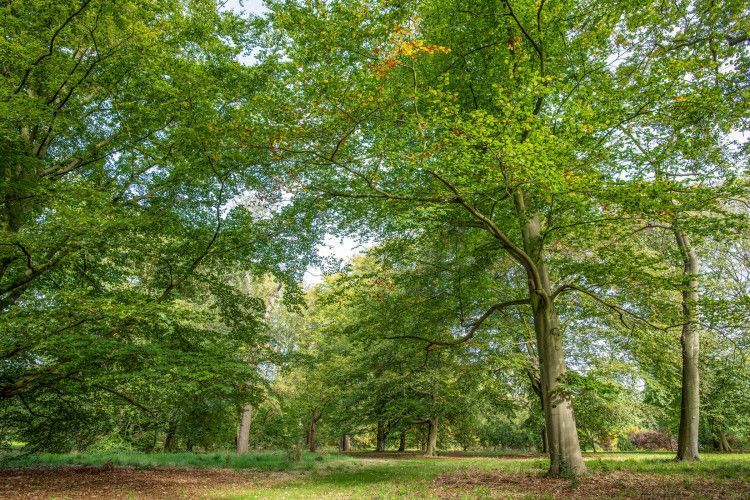
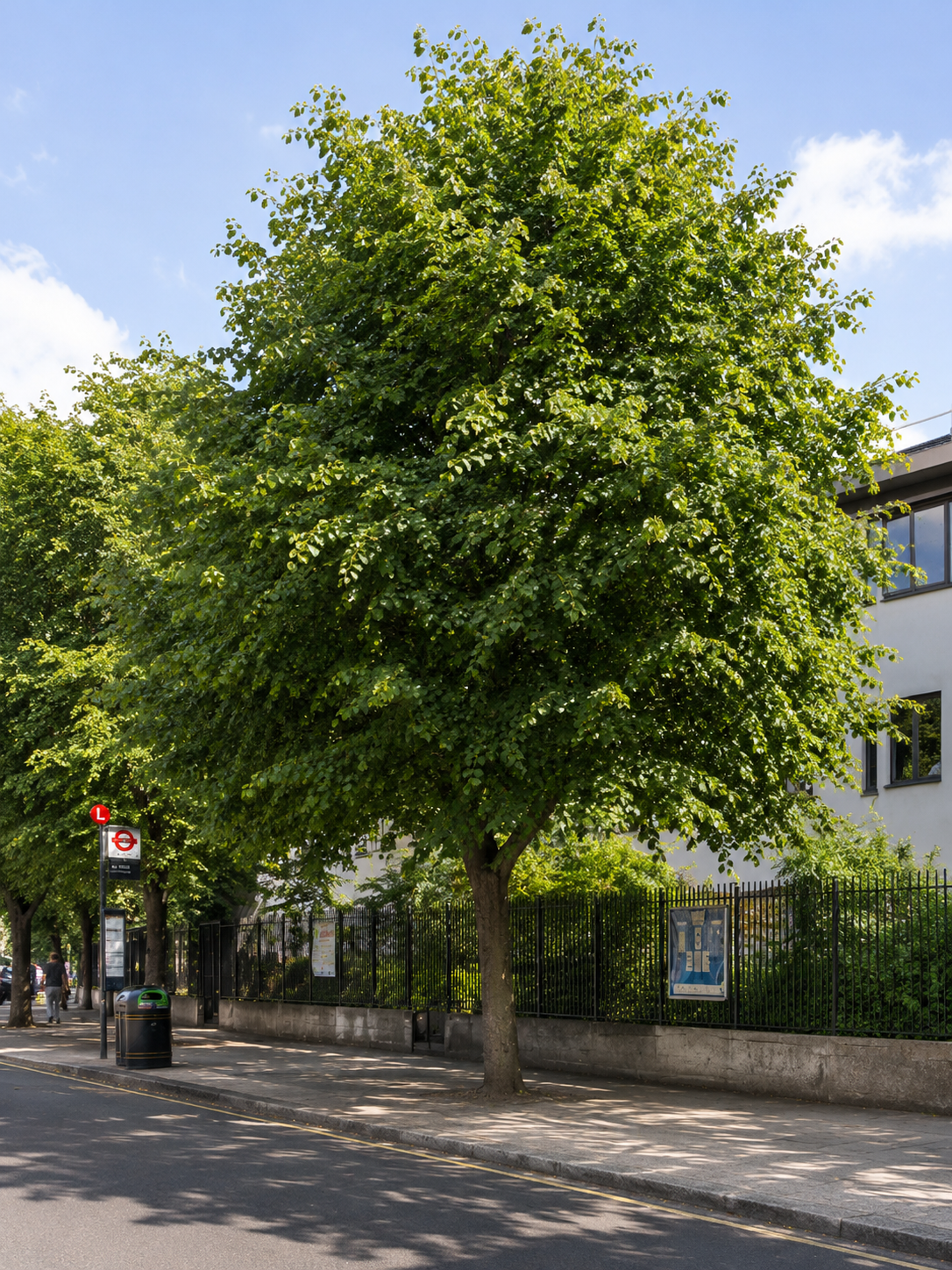
One of the most moving moments came when Tony described an avenue of lime trees planted around a century ago near his home in Cambridge. He does not know who chose to plant them, but he would like to thank them. Today those trees offer shade, birdsong, beauty and relief from the heat. A decision made long ago continues to improve daily life.
For me, that story captures the privilege and responsibility of our profession. Having spent my career designing places for children, families and communities, I know that the full value of a landscape is often revealed only over time. The best decisions we make today may be appreciated by people we will never meet.
A profession with a national role
As a Past President of the Landscape Institute, Chair of the LI College of Fellows, and Director and Trustee of the Sustainable Landscape Foundation, I firmly believe our profession must be more confident and ambitious in shaping policy, rather than simply responding to it. Tony urged us to “innovate”, “push the boundaries” and “seek influence”. Those are important challenges for a profession whose expertise connects ecology, public health, planning and climate adaptation.
The awards rightly celebrate outstanding projects, but Tony’s keynote asked us to think bigger: what might our country look like in 10, 20 or 50 years if landscape recovery and restoration were truly prioritised? Perhaps our greatest achievement will be when someone, a century from now, looks at a place we helped create and says, simply, “Thank you.”