
From Climate Crisis to Climate Action: Maeve Campbell’s Challenge to the Profession
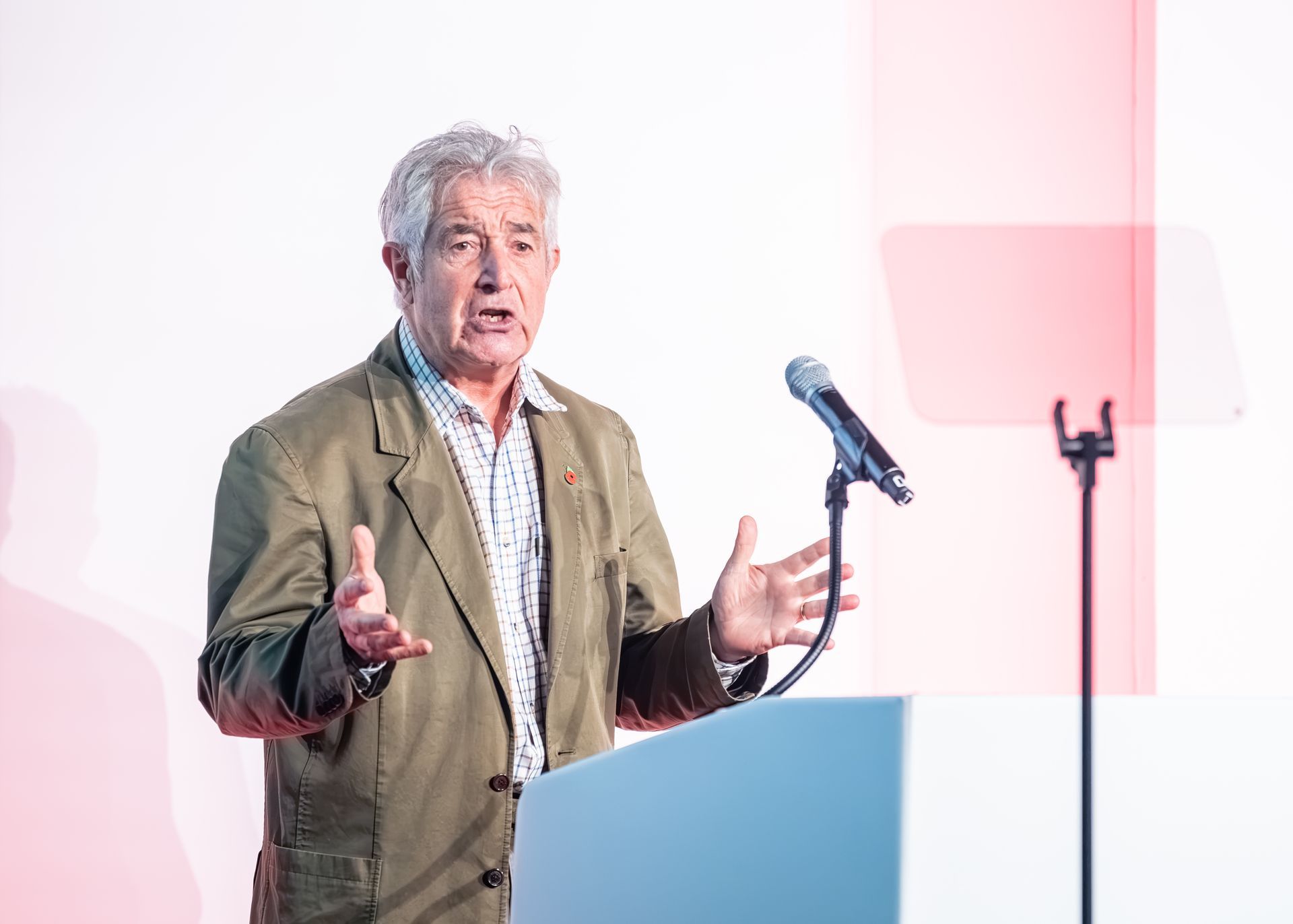
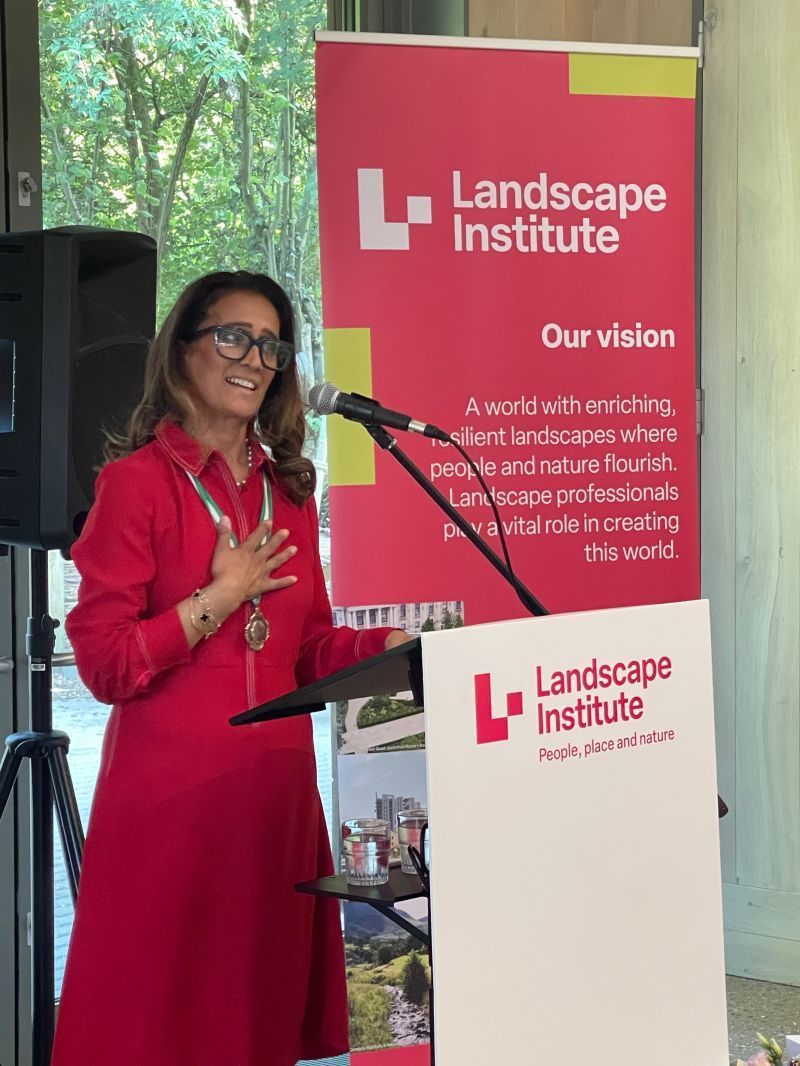
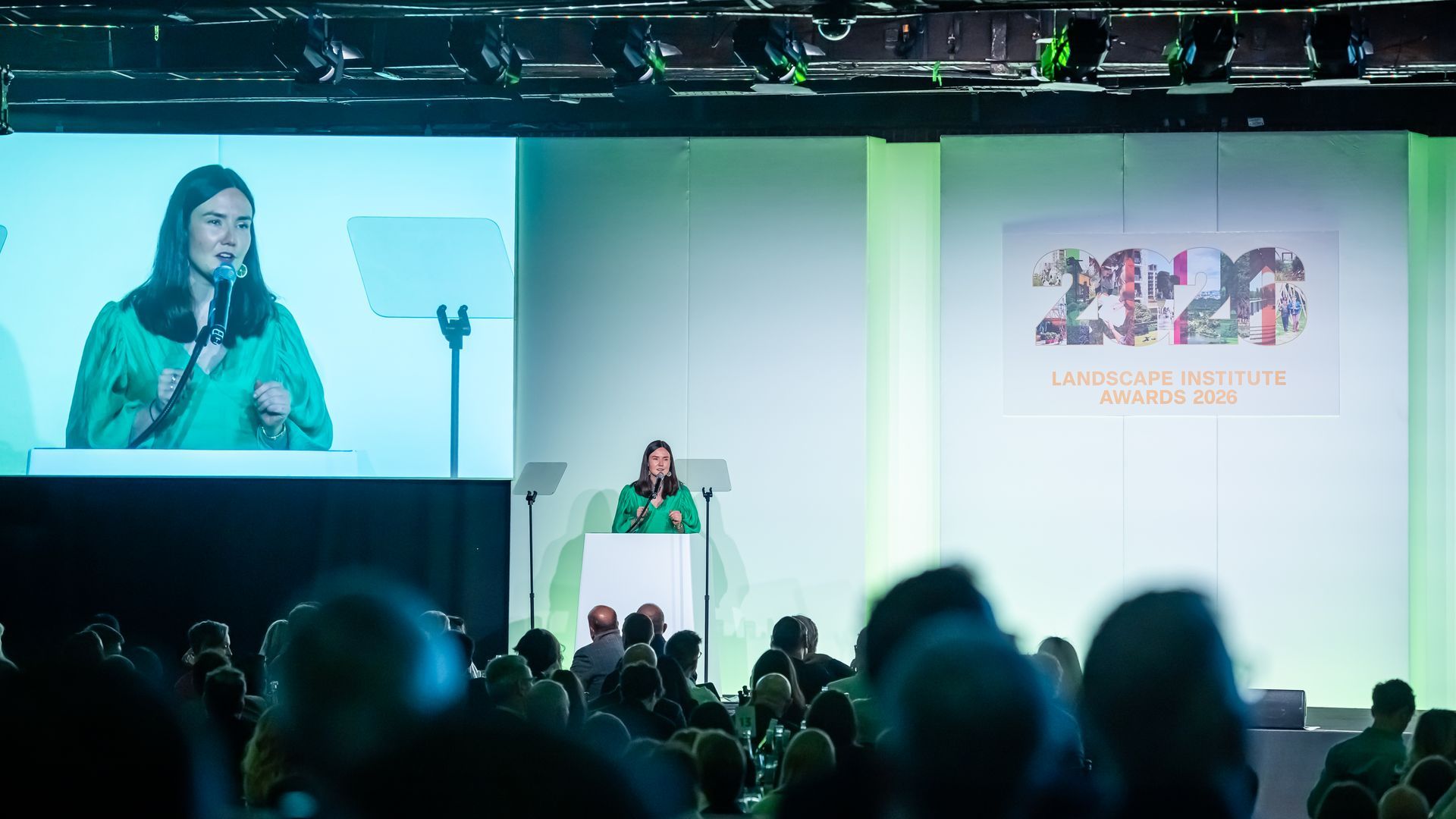
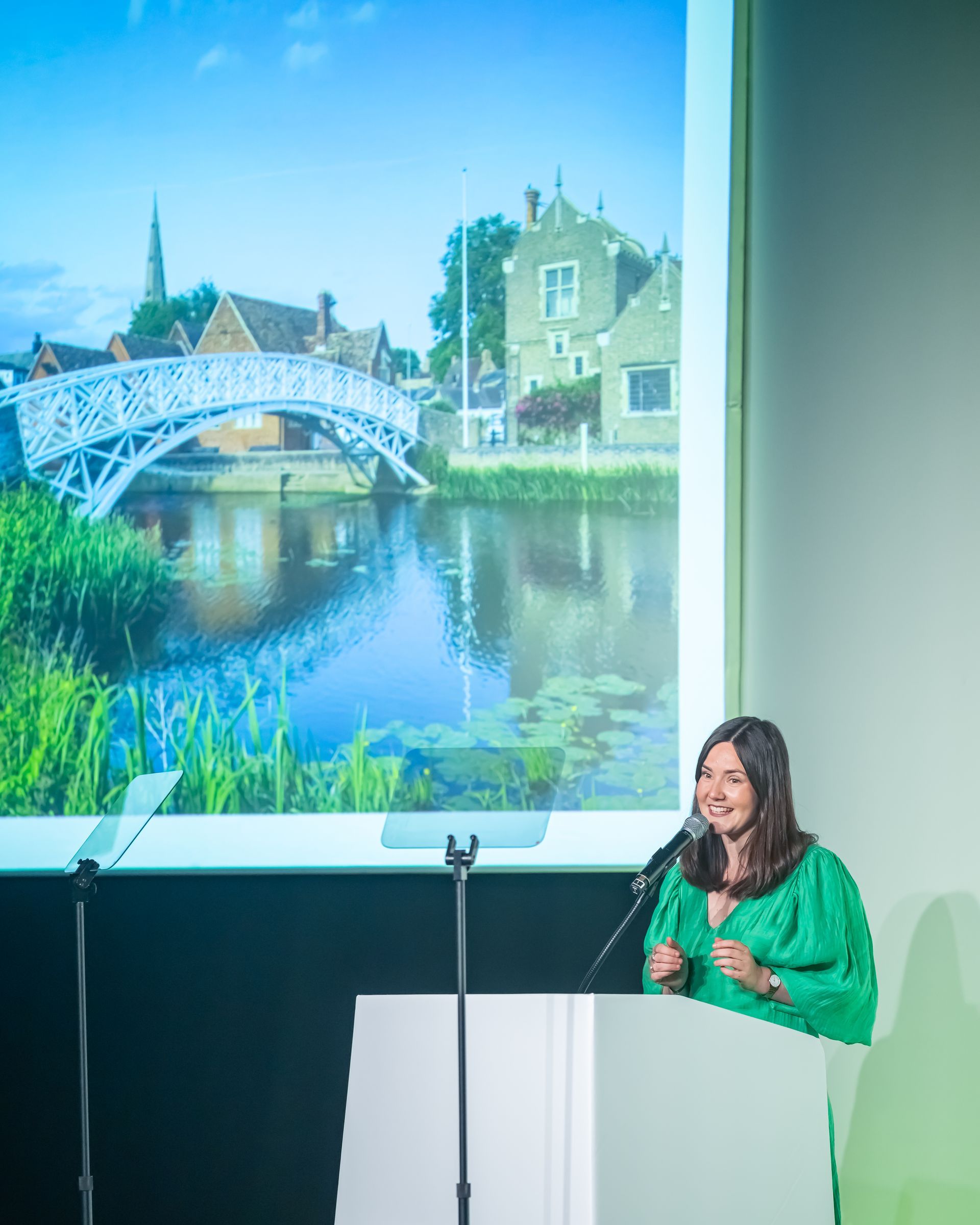
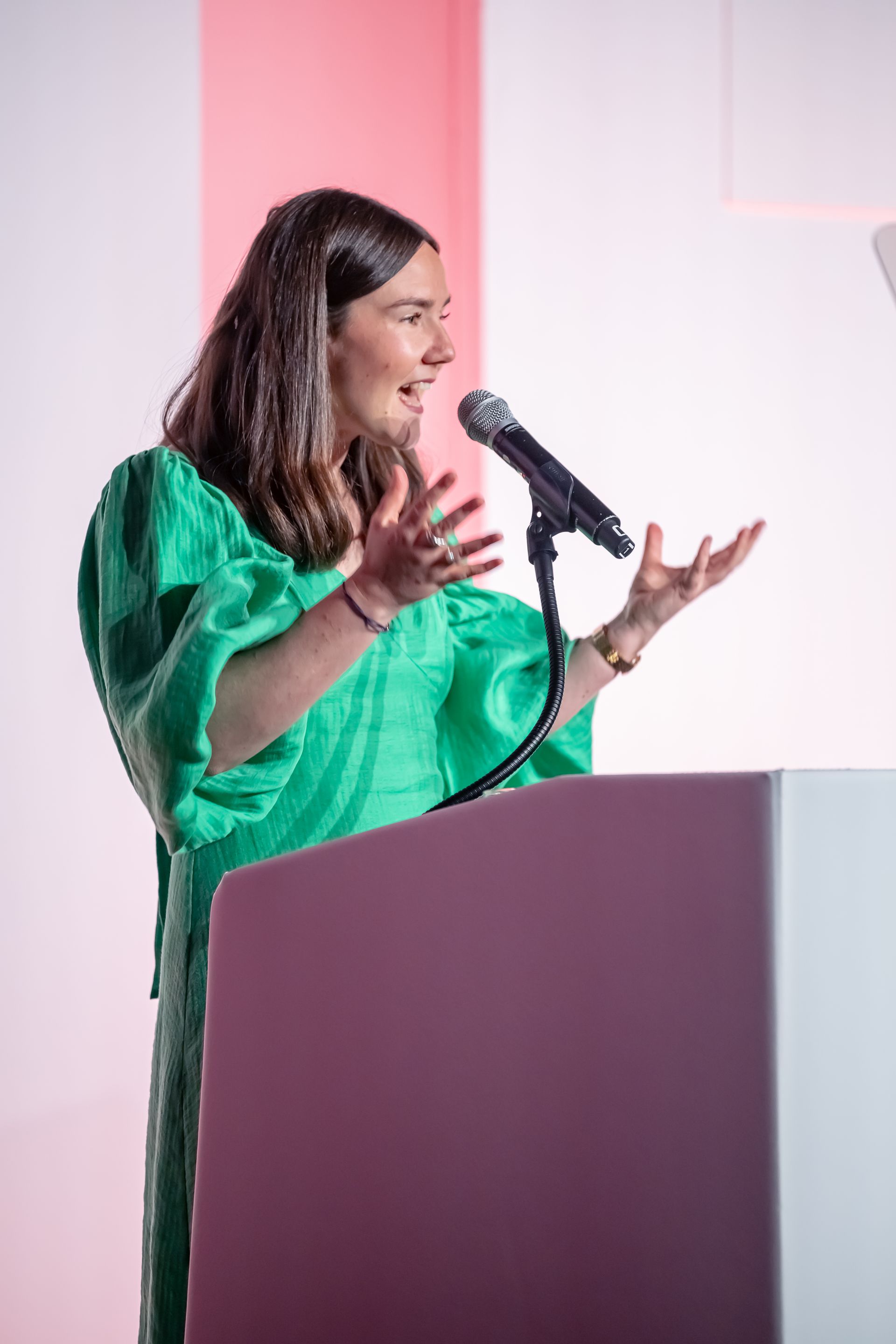
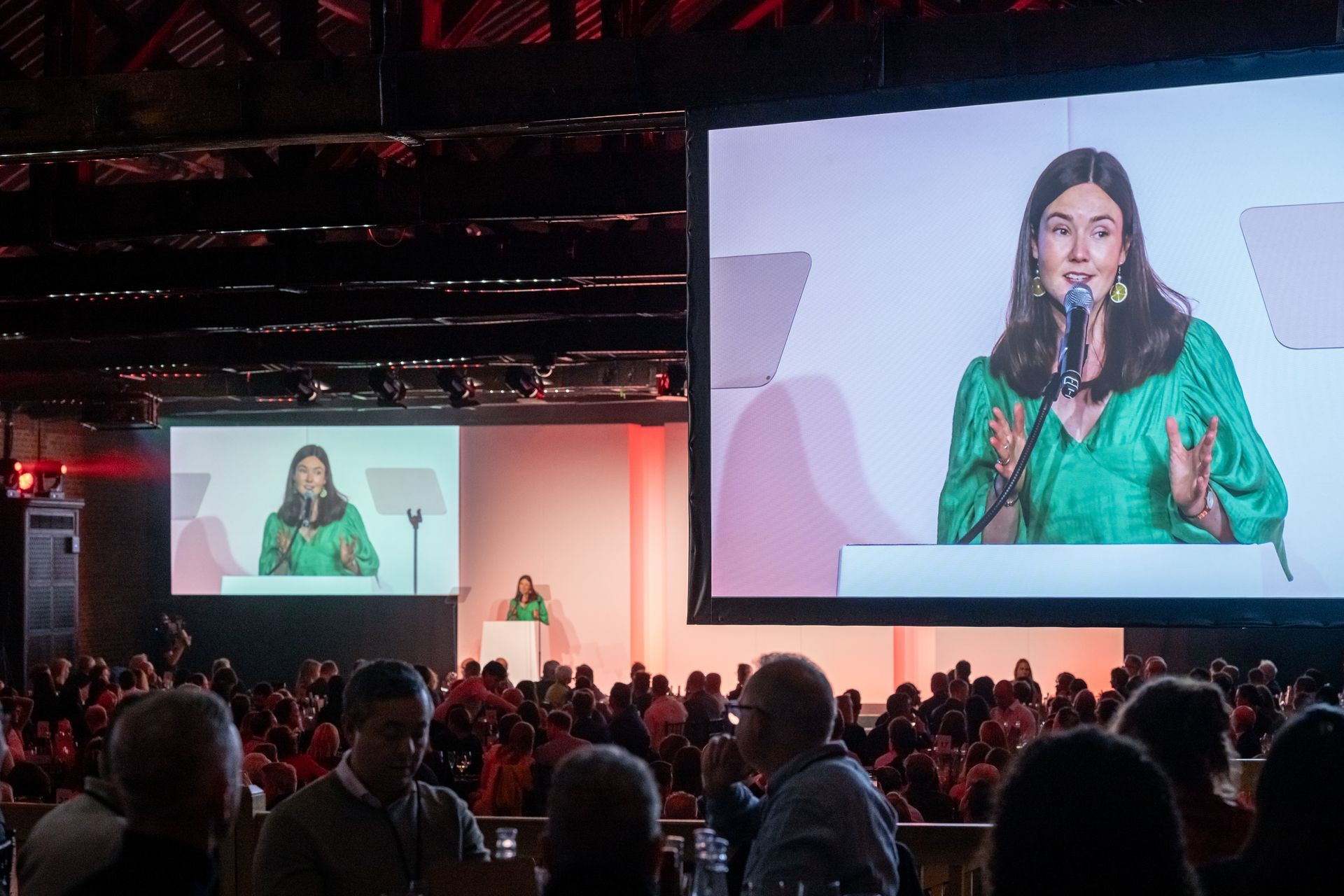
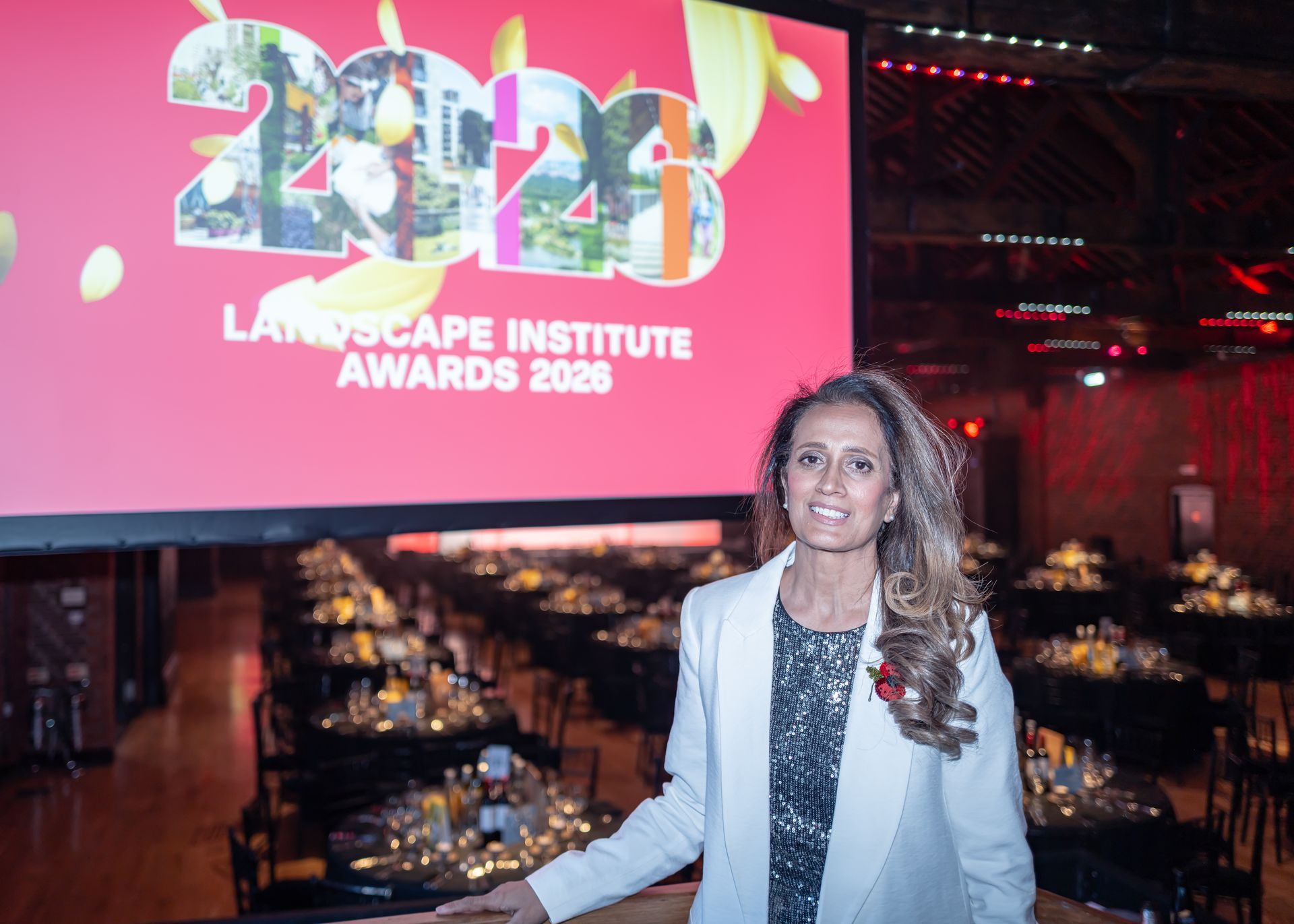
Following Dr Tony Juniper’s opening keynote at the Landscape Institute Awards 2026, our host Maeve Campbell returned to the bigger questions during a short break in the awards presentations. A Producer and Presenter at Channel 4 News and an experienced climate journalist, Maeve offered an important challenge: if landscape professionals do such vital work, how can we make more people understand it?

From panic to possibility
Maeve explained that newsrooms are good at covering sudden shocks but less effective at explaining complex environmental systems. Reporting repeatedly on floods, extreme heat and ecological decline can leave audiences overwhelmed rather than motivated. Her response has been to shift the focus “from panic to possibility”, using human stories, curiosity and innovation to show that solutions exist. That is a lesson our profession should take seriously. We are delivering practical responses to climate change and biodiversity loss, but too often we describe them in language that makes sense mainly to other professionals. We cannot expect the public to value what they cannot readily understand.

Landscape first, not last
Maeve challenged a development culture that puts buildings, concrete and steel first, leaving landscape as the “green trim” added at the end. She described that model as broken. A genuinely landscape-led approach starts with the whole place: soil, water, ecology, carbon, climate resilience and human wellbeing, considered before the major decisions are fixed.
She called landscape professionals “the ultimate system thinkers”. That is a generous description, but an accurate one. We connect transport, heritage, public health and ecology while designing for living environments that change over time. Policies and targets are important, but they need people capable of turning ambition into places that work.
Tell the human story
The most practical advice in Maeve’s speech was about storytelling. “Don’t show us the master plans,” she urged. Instead of relying on terms such as blue-green infrastructure or attenuation basins, explain how a park protects homes from flooding, how trees cool a street during a heatwave, or how a restored wetland improves water quality and gives a community somewhere to recharge. That does not mean simplifying the science. It means showing why it matters. A park can be a public health story; a greenway can be an economic opportunity; a climate-resilient neighbourhood can be a story about safety, fairness and everyday life. These are the connections that help our work reach beyond professional conferences and award ceremonies.
A stronger public voice
Maeve encouraged us to speak to journalists, join public debates and engage directly with MPs and councillors. When an environmental story breaks, landscape professionals should not wait for an invitation: we should explain what landscape-led solutions could look like. She also stressed the importance of a unified voice, and the Landscape Institute’s role in helping the profession be heard.
As a Past President of the Institute, I strongly agree. We have no shortage of expertise or compelling projects. What we need is greater confidence in communicating their value. Professional advocacy is not only the job of an institution; it is something every practitioner can contribute to through clear, accessible stories.

Hope requires action
Maeve also spoke passionately about inspiring the next generation. For young people concerned about the climate and uncertain about the future, landscape offers a career in which they can make a tangible difference. That is a message worth taking into schools, universities and communities.
Her closing words were especially memorable: “Hope is active, not passive.” She added that we need not only urgency but agency. Optimism is not the denial of environmental problems; it is the decision to work on solutions.
Tony’s keynote explained why landscapes matter to growth, health and security. Maeve’s speech showed us how to bring that message to the wider world. Together, they offered a compelling challenge: create places that deserve to endure, and tell their stories well enough to influence what happens next. As Maeve put it, landscape practitioners take policy and
“turn it into legacy.”

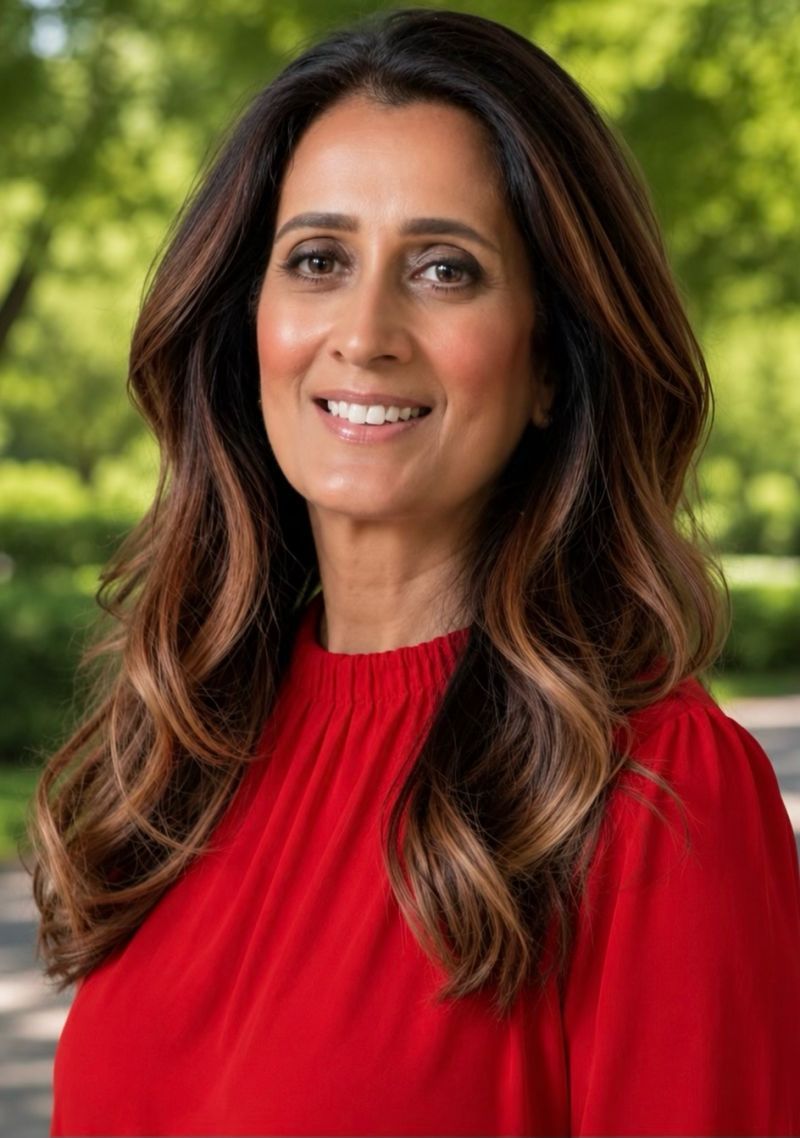
Maeve Campbell | Climate Journalist, Presenter & Broadcaster
Instagram:
@ecomaeve
Maeve Campbell is a respected climate journalist, presenter and producer for Channel 4 News, specialising in sustainability, environmental issues and climate change. A columnist for Forbes and media adviser to the Cambridge Institute for Sustainability Leadership, Maeve is also an experienced speaker, moderator and host of major international events. Passionate about solutions-focused journalism, she champions more engaging, accessible and effective ways to communicate climate change.
Click here to watch her showreels and find out how to get in touch.