

Future-proofing our tree specifications at The Savill Garden
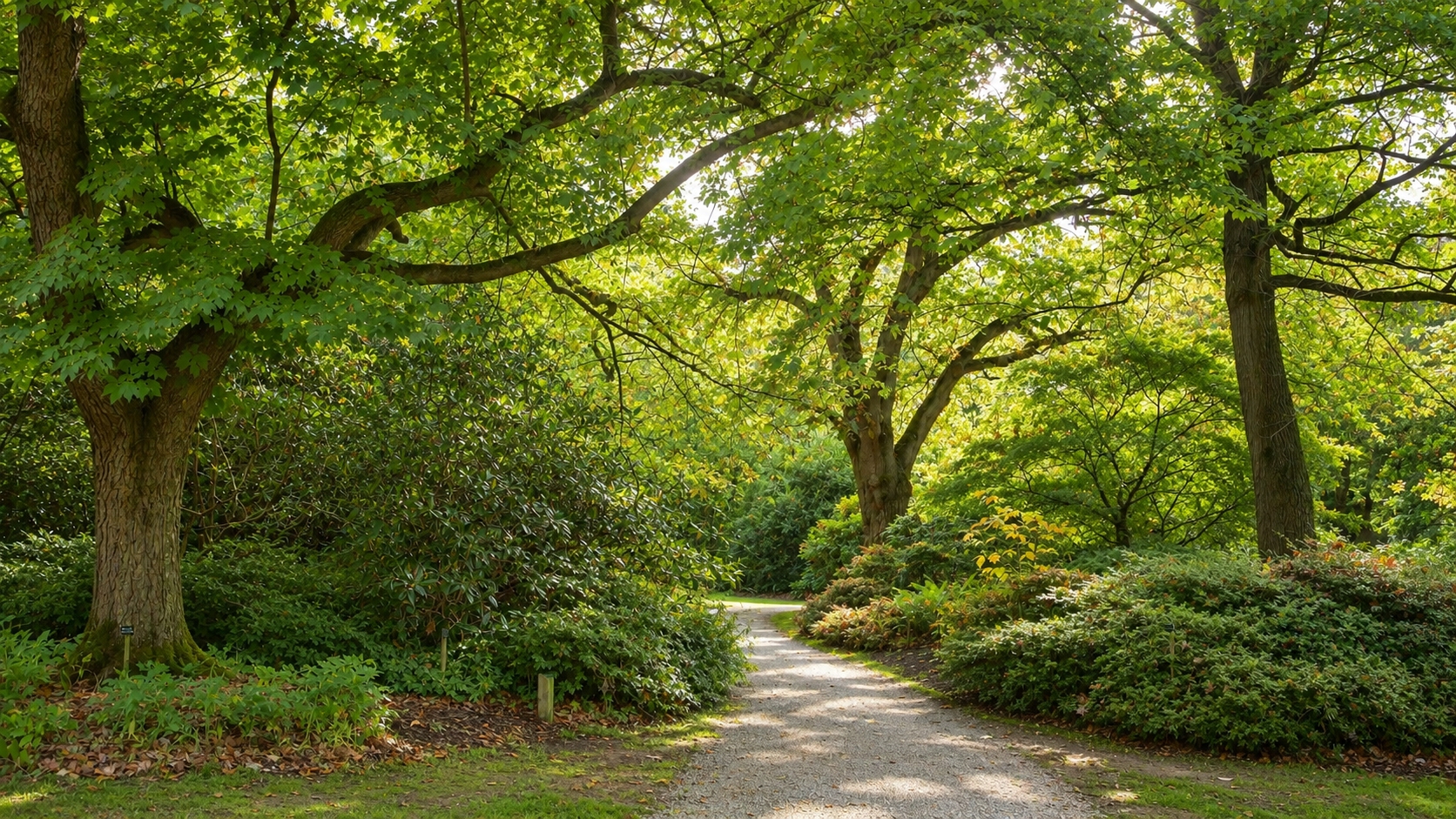
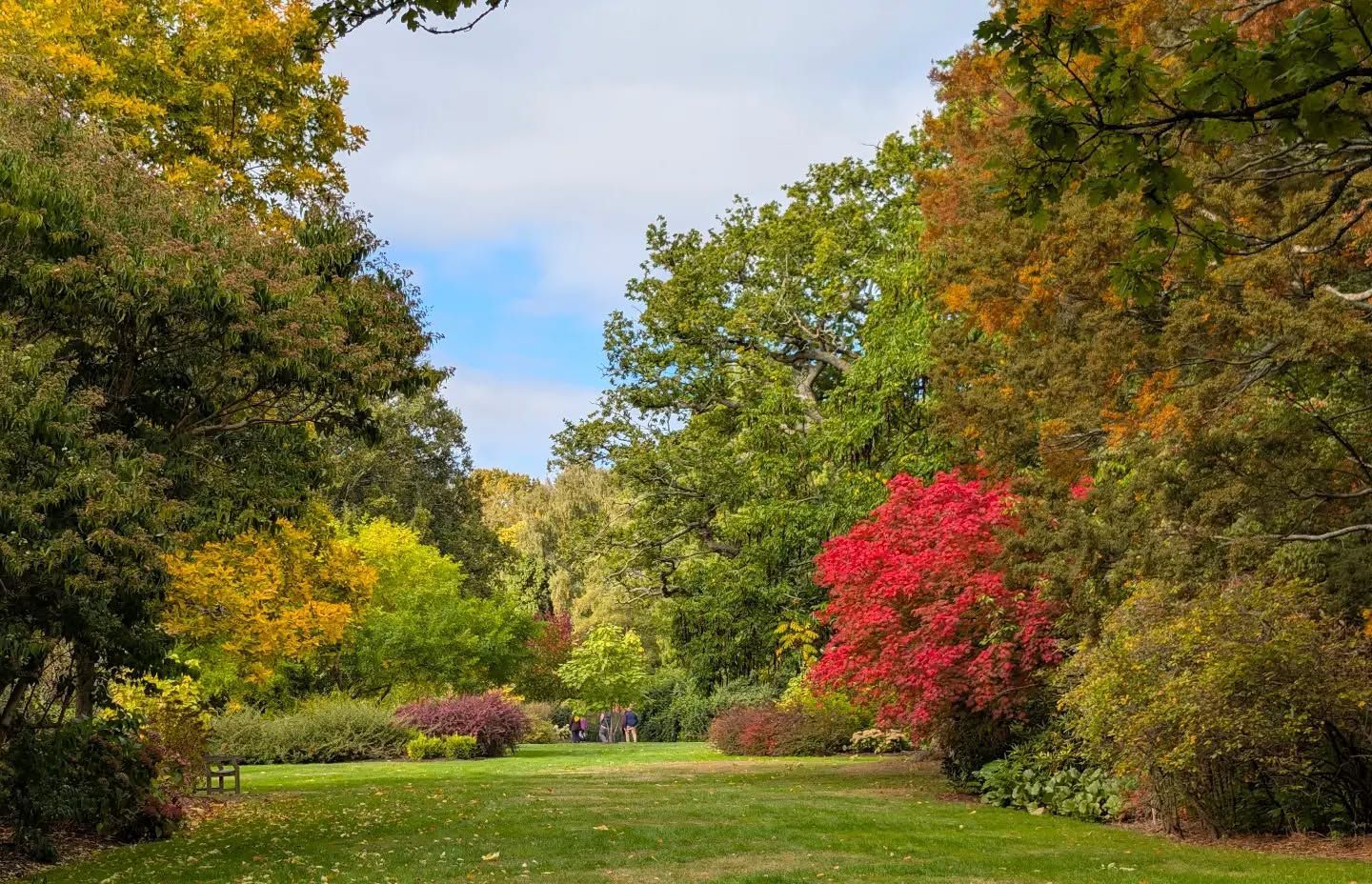
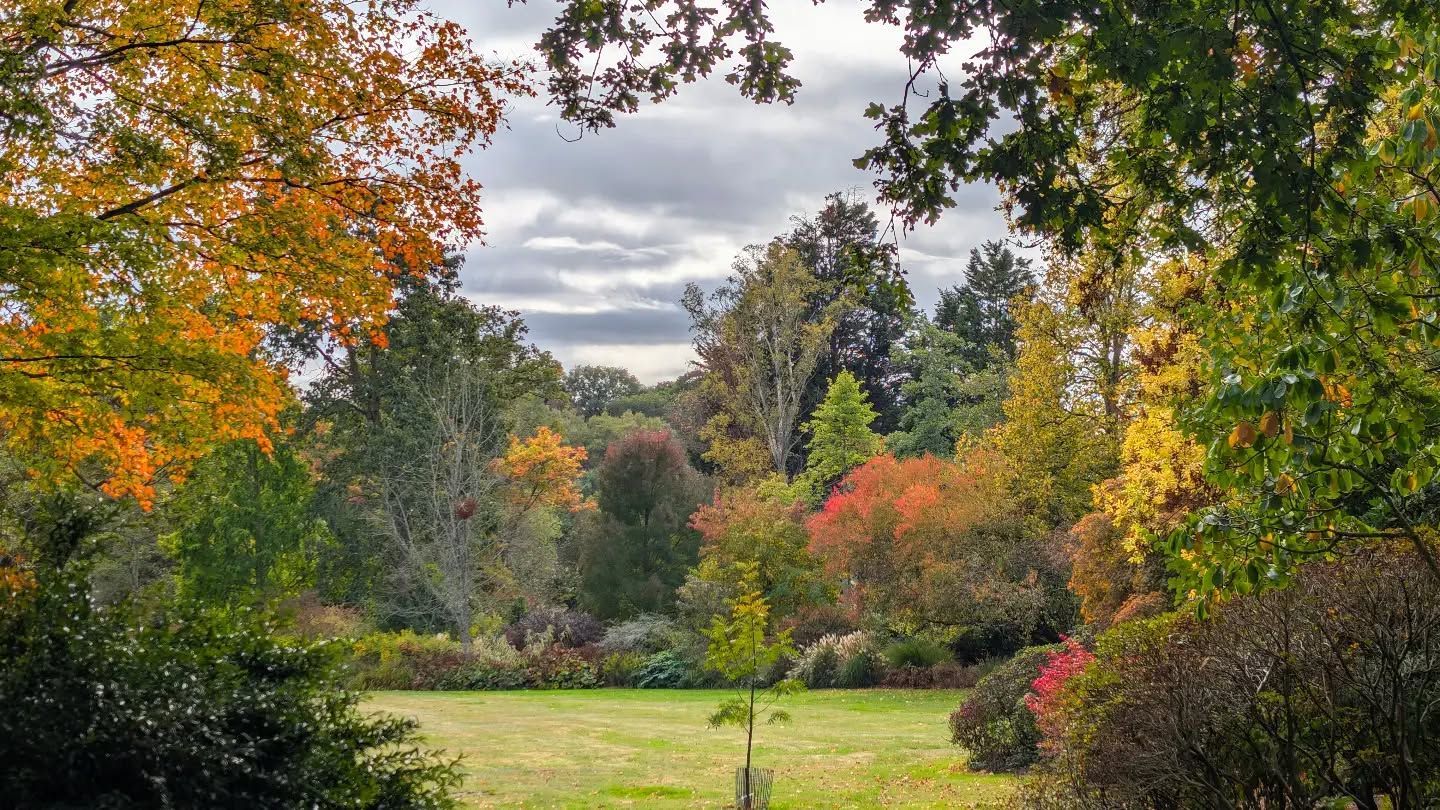
The second field visit of Davies White’s tree study programme took place at The Savill Garden, Windsor Great Park, during persistent rain. The visit provided an opportunity to reflect on how trees have performed through the exceptionally dry 2026 growing season and what these observations might mean for future tree selection and specification in a changing climate.
Set across 35 acres of beautifully designed gardens, woodland and ever‑changing seasonal displays, The Savill Garden is a peaceful retreat in the heart of Windsor Great Park. Commissioned by King George V and created by renowned horticulturist Eric Savill in 1932, the Garden has been inspiring nature lovers, photographers, friends and families for generations. First opening to paying visitors in 1953, The Savill Garden continues to delight today. You can explore with a day ticket, or choose a membership if you’d like to return throughout the year and enjoy the Garden throughout the seasons. For more information head to the Visit Windsor website.
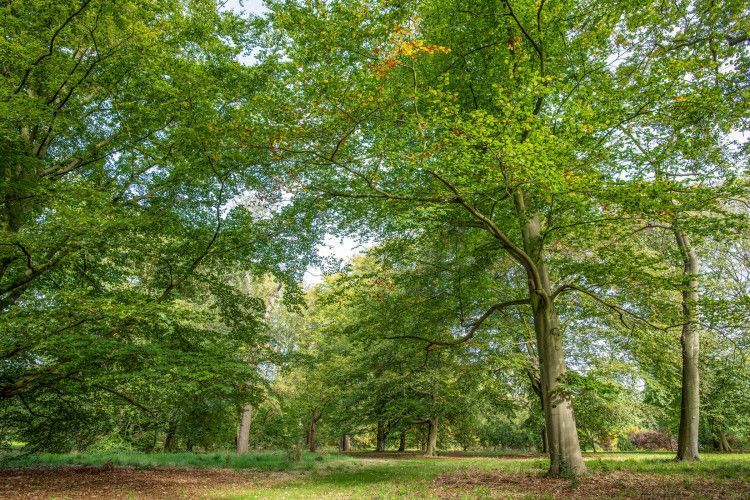
We began with Fagus sylvatica (beech) and Quercus species (oaks), often described as the queen and king of the forest. Both members of the Fagaceae family, these have shown signs of stress across southern England during this hot dry summer. The irregular forms of veteran oaks also prompted discussion of their cultural history, with many straighter specimens historically felled for timber and shipbuilding.
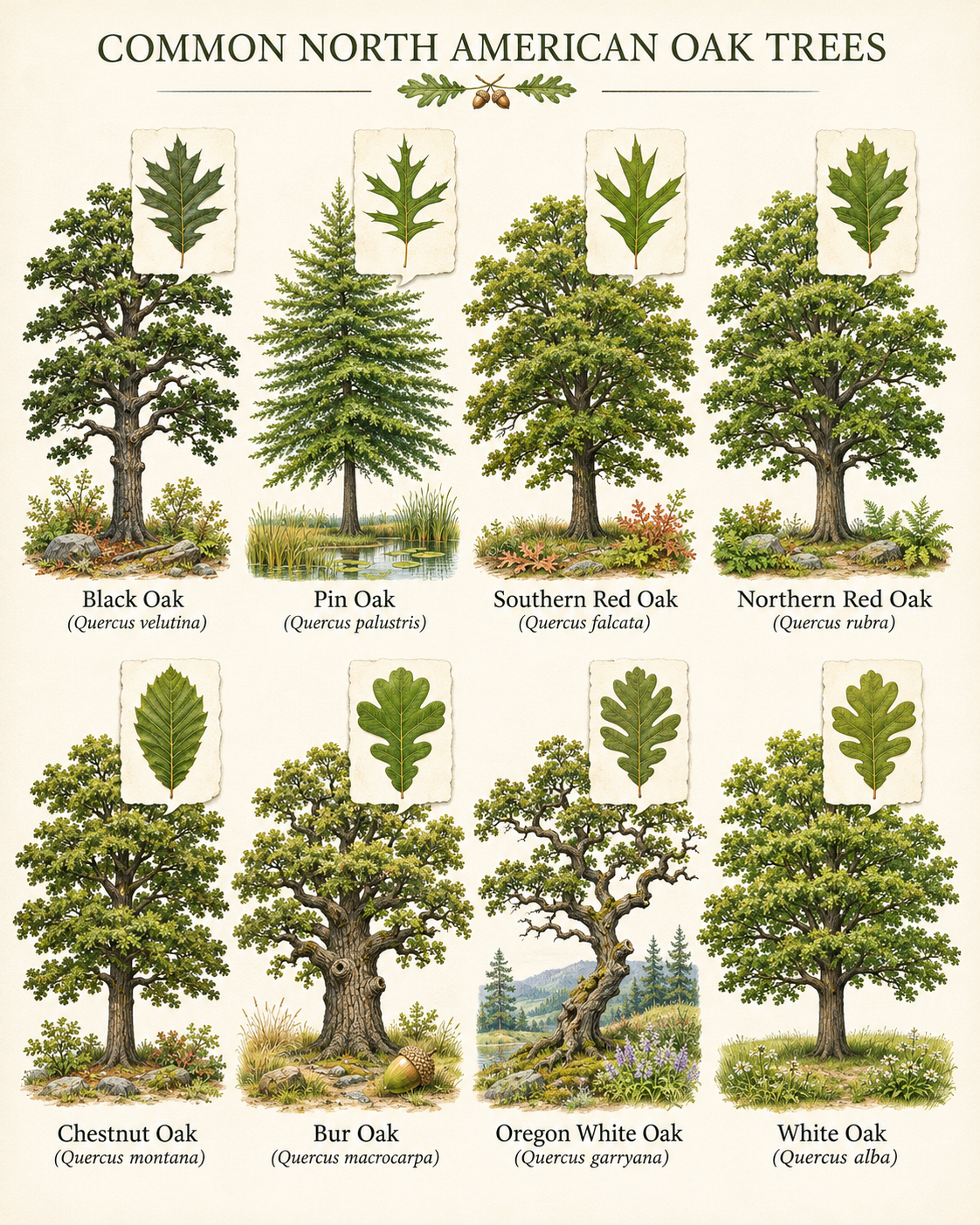
Looking ahead, North American oaks, including Quercus rubra (northern red oak), may offer alternatives worth investigating if native species struggle under future climatic conditions.
Oak processionary moth remains a significant public health concern, principally because of the irritating hairs of its caterpillars.
Quercus robur, Q.petraea and Q.cerris have been found to be more affected than other oak varieties (observations from Kew Gardens) so some of the alternatives may be worth planting.
A recurring theme was the importance of understanding a tree’s natural habitat when specifying it for a particular setting. Sorbus aucuparia (rowan), cherries and birches can be more vulnerable to heat when planted in exposed locations, having evolved to grow in woodland understories or at woodland edges. Incorporating these species into more sheltered woodland planting may therefore be preferable to using them as isolated specimens.
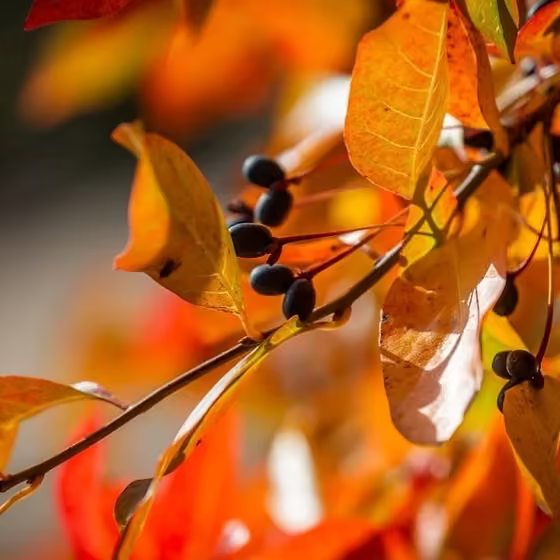
Other species offered promising possibilities. Quercus dentata (Daimyo oak), native to Japan and Korea, has strikingly large leaves, while Tilia species (limes) provide opportunities for avenues and urban planting. Tilia ‘Green Spire’, with its upright habit and tolerance of pruning, is particularly suited to street environments. Liriodendron species (tulip trees) offer impressive scale, while ornamental hazels bring interest to woodland edges. Sassafras albidum (sassafras), native to eastern North America, is a less familiar choice for UK landscape planting, with attractive foliage and notable autumn colour. The apparent resilience of some trees traditionally associated with waterside habitats also challenged assumptions about their suitability for drier locations.
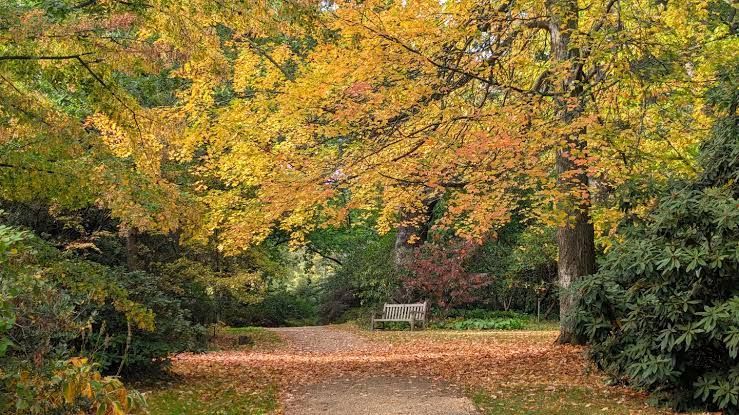
Autumn colour provided further inspiration. Nyssa sylvatica (tupelo) can establish slowly before making stronger growth, while Carya species (hickories) offer striking butter-yellow foliage. Ginkgo biloba (ginkgo) is also worth considering for its tolerance of urban pollution. The visit also highlighted the value of understanding establishment rates, mature dimensions, pruning requirements and other practical considerations when selecting species for specific landscape settings.
The central lesson was clear: future tree specification requires a broader and more considered palette of species, informed by observed performance, ecological context and anticipated growing conditions. Combining horticultural knowledge with a willingness to challenge conventional choices will be essential to creating diverse, resilient landscapes for the decades ahead.
What This Means for the Landscape Profession
The observations from The Savill Garden have wider implications for the landscape profession, particularly in designing climate-resilient public realm spaces that reconnect people, place and nature. As our towns and cities face rising temperatures, prolonged droughts and biodiversity loss, the selection and establishment of trees must become an integral part of landscape-led design, rather than an afterthought.
This approach is increasingly reflected in the National Planning Policy Framework, which promotes tree-lined streets and nature recovery, and the Forestry Commission's Urban Tree Manual, which emphasises selecting the right tree for the right place while considering climate change, pests and diseases.
It also aligns with the Woodland Trust's work on urban trees and forests, which recognises their importance for biodiversity, climate resilience and equitable access to nature, alongside the Landscape Institute's climate and biodiversity commitments and its advocacy for landscape-led planning and nature-based solutions.
For landscape architects and landscape professionals, the challenge is to translate these ambitions into practical, lasting solutions through informed species selection, healthy soils, adequate rooting environments, sustainable water management and long-term stewardship. Ultimately, it is about creating places where trees and people can thrive together, delivering healthier, greener and more resilient communities for generations to come.