
What Chattowood Teaches Us About the Future of New Housing Landscapes
Did any of you see Arit Anderson’s BBC Gardeners’ World Feature at Chattowood in Essex?
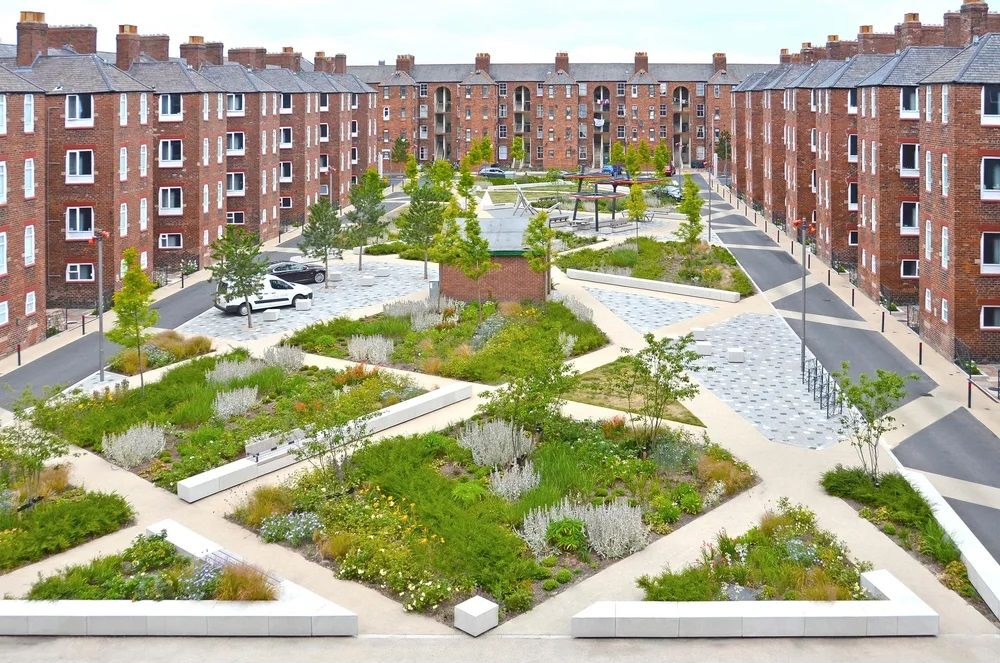
Featured on BBC Gardeners’ World and creating the backdrop to our Resilient Gardens Workshop (click and watch the short film below) the Chattowood development shows how a landscape-led, biodiverse design could shape the next generation of climate-resilient housing developments.
Back in late November 2025 Chris Packham CBE delivered a stark reminder of our shared responsibility to the “pale blue dot” we all call home and to the scientists and environmental leaders who reinforced the urgency of acting now, it feels right to look at places where this thinking is already shaping action. Chattowood is one such example: a place where landscape-led design is showing what climate-ready, people-focused development can achieve.
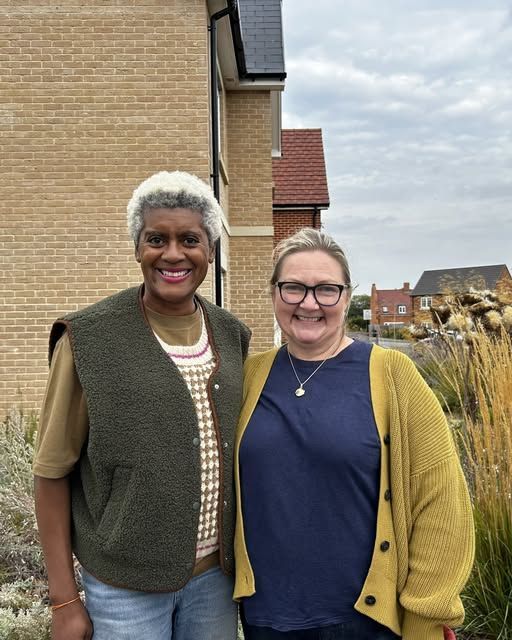
Arit Anderson then reported back from our visit to Chattowood housing development as part of BBC Gardeners’ World, (Friday 21st November 2025 - watch on the BBC iPlayer). She began with a scene familiar to anyone who has visited a newly built estate in the UK. Straight roads, functional fencing and strips of obligatory turf, spaces that are technically landscaped but rarely loved. It was a gentle reminder of the gap between what is delivered and what is possible.
As she walked further in, that picture dissolved. The camera followed her into streets full of movement and colour: grasses shifting in the wind, drought-tolerant perennials catching the light, and pollinators tracing easy paths from flower to flower. These front gardens felt rooted and expressive, unusual qualities in a landscape so young.
Arit paused with a resident who shared, simply, the emotional impact: the flowers “bring joy,” she said, and looking out of her window “makes you feel happy.” It was a reminder that landscape influences our wellbeing long before we speak about ecology or climate. Arit highlighted seasonal structure, planting logic and Beth Chatto’s “right plant, right place” philosophy, not as jargon, but as the quiet intelligence that helps places feel cared for.
Her film positioned Chattowood not as an exception, but as evidence that new developments can and should look and feel like this. It showed what is possible when design teams begin with landscape rather than treat it as an afterthought.
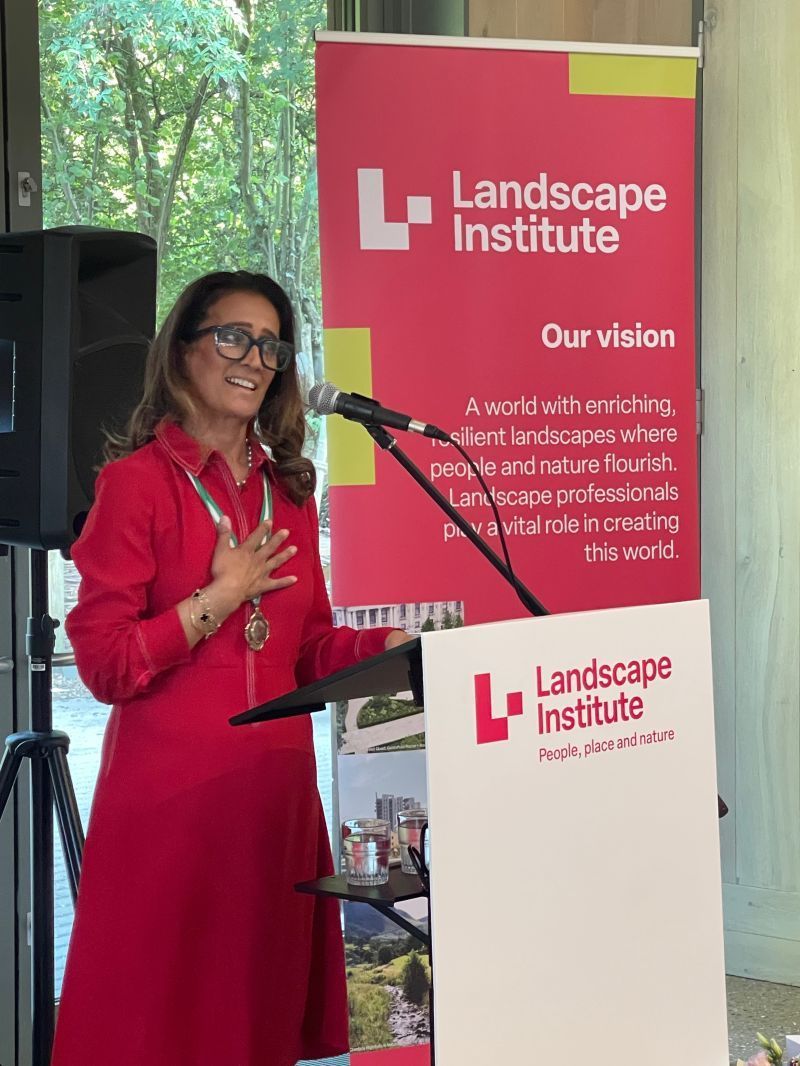
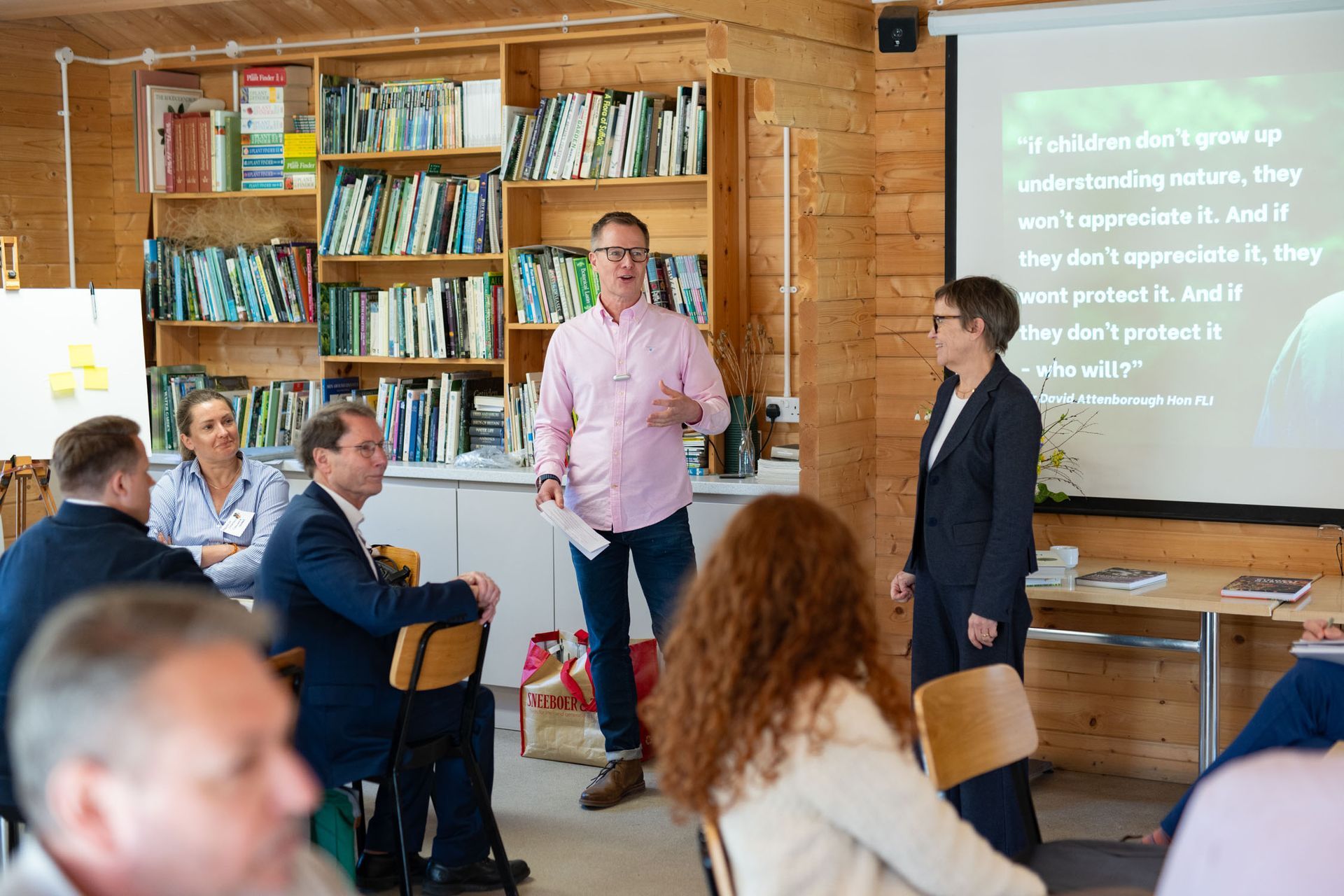
That resonance felt particularly strong because, a few months earlier, Arit joined us as a keynote speaker at the
Anglian Water Resilient Gardens & Sustainable Landscapes workshop. The afternoon included a tour of Chattowood led by the Beth Chatto Gardens team. We walked the same pavements later shown on television, discussing planting combinations, soil preparation, water strategies and long-term maintenance. These conversations about resilience, joy, and horticultural intelligence were reflected clearly in her broadcast.

A Day of Shared Purpose at Beth Chatto Gardens
The workshop brought together practitioners, policy leads, designers and horticulturists to explore what resilient landscapes must achieve in the years ahead. Beth Chatto Gardens; rooted in observation, ecological sensitivity and horticultural discipline, offered the ideal setting for these conversations.
Across the day, key themes kept returning: healthy soils; slowing and holding water; the role of shade, structure and texture in responding to heat; and the emotional and sensory value of planting. These discussions were not about ornamentation, but about the systems that sustain life — systems landscape architects must now design with clear intention.
The principles explored at the workshop echo over a decade of Landscape Institute leadership promoting landscape-led planning. Profitable Places (2014) demonstrated how well-designed landscapes add social, ecological and commercial value. The New Generation of Garden Cities outlined five principles for planning settlements that begin with the land; its water, ecology and identity.
These documents, along with the Institute’s broader policy work, reinforce a central idea: place comes before architecture, and landscape sets the framework into which streets, homes and public spaces are woven. In 2026 the LI has run a series of regional conferences on the subject and then last month Pro Landscaper ran an event 'The Housebuilding Revolution' in London all highlighting importance landscape-led developments.

A 'green flag' housing accreditation scheme
It is clear the industry is aligning with developers recognising the value residents place on planting and green infrastructure. Planners see that nature-rich places support health and climate adaptation. Design teams know landscape cannot be retrofitted effectively it must lead the process.
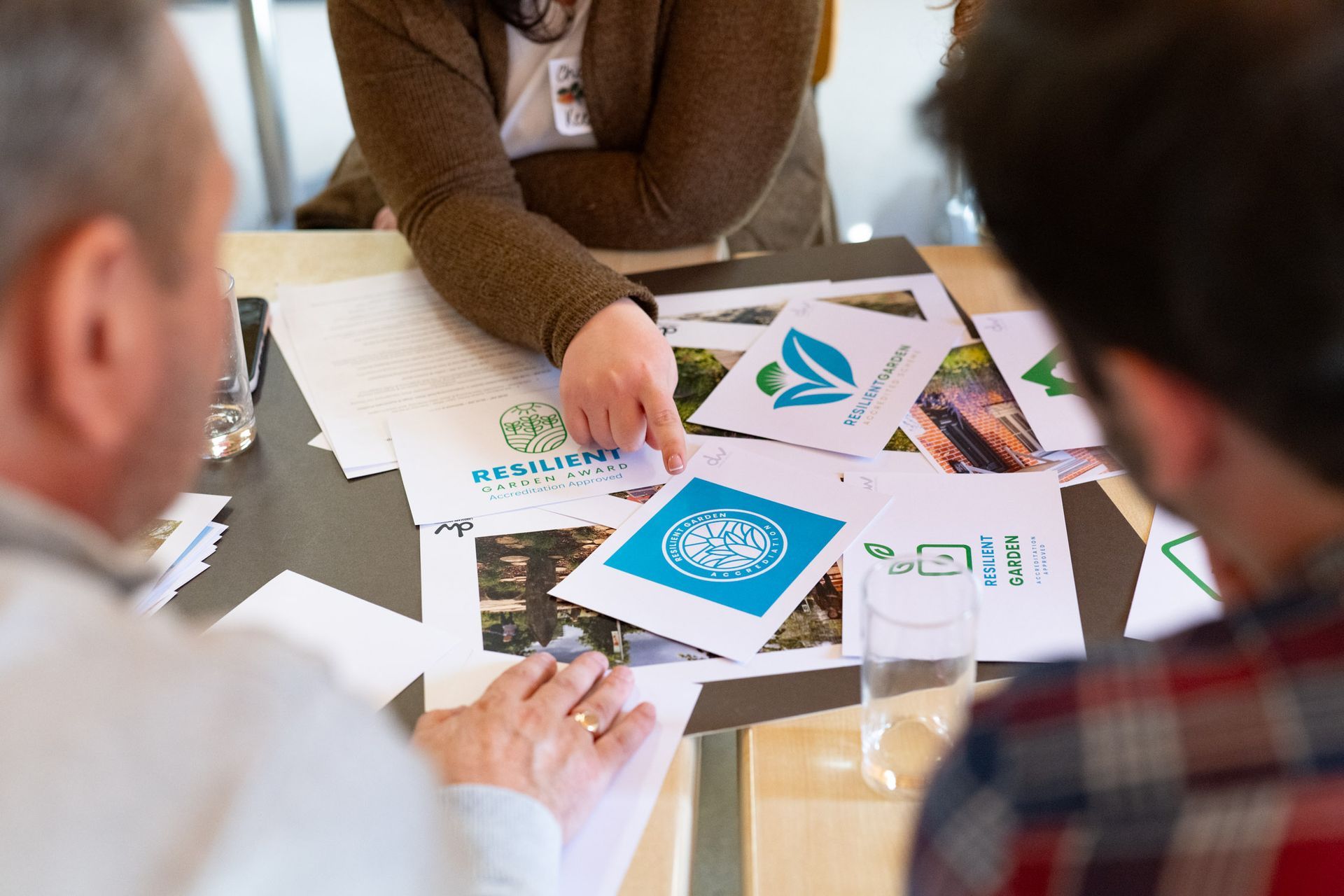
There is also growing interest in establishing a clearer benchmark for resilient gardens and landscapes, giving residents, councils and developers confidence in standards for planting, soil, water, biodiversity and stewardship. A formal accreditation scheme, similar to housing energy ratings but for the gardens and public spaces would reward those developments that offer more inclusive, accessible and biodiverse nature friendly green spaces.

Davies White - leading by example
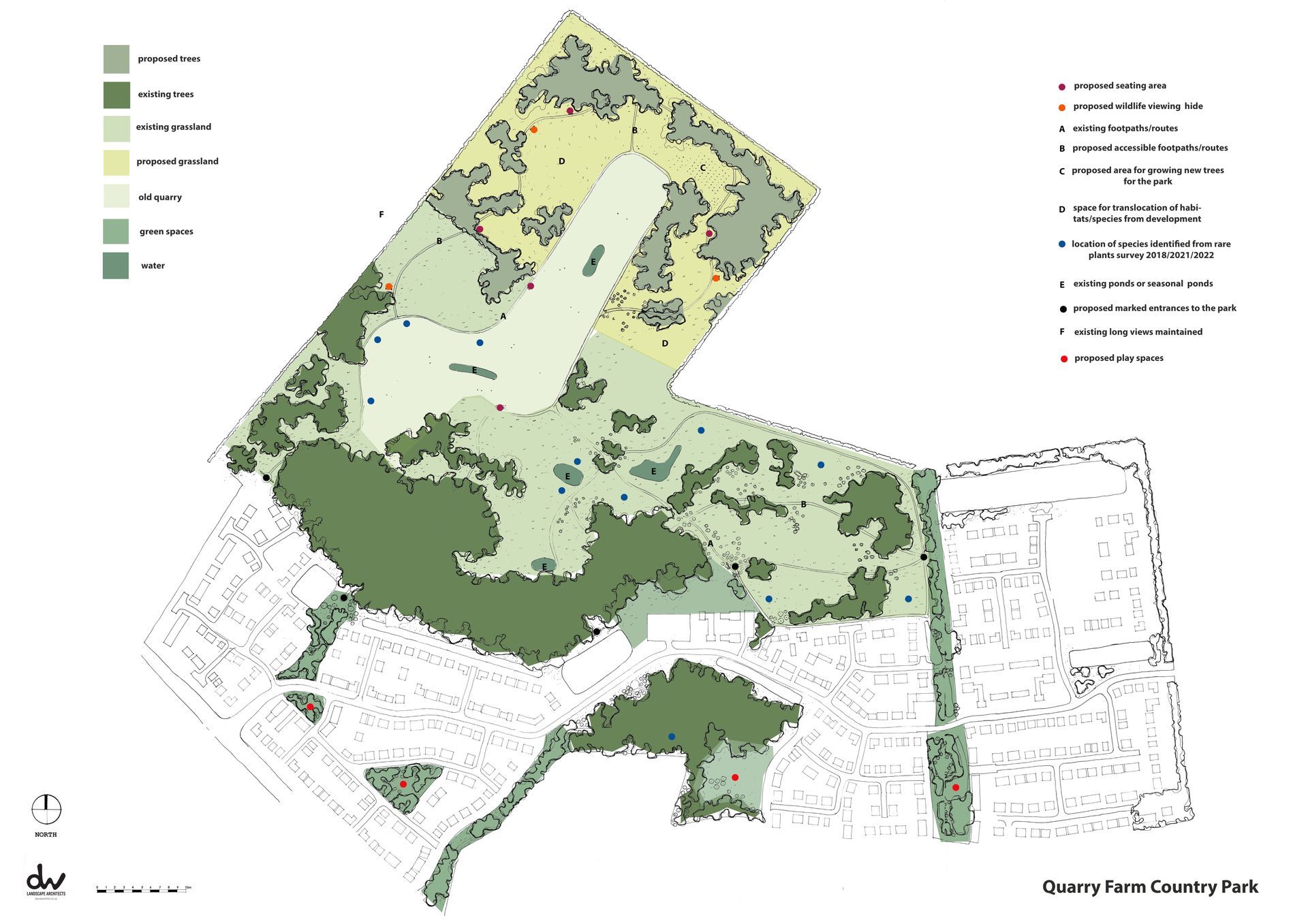
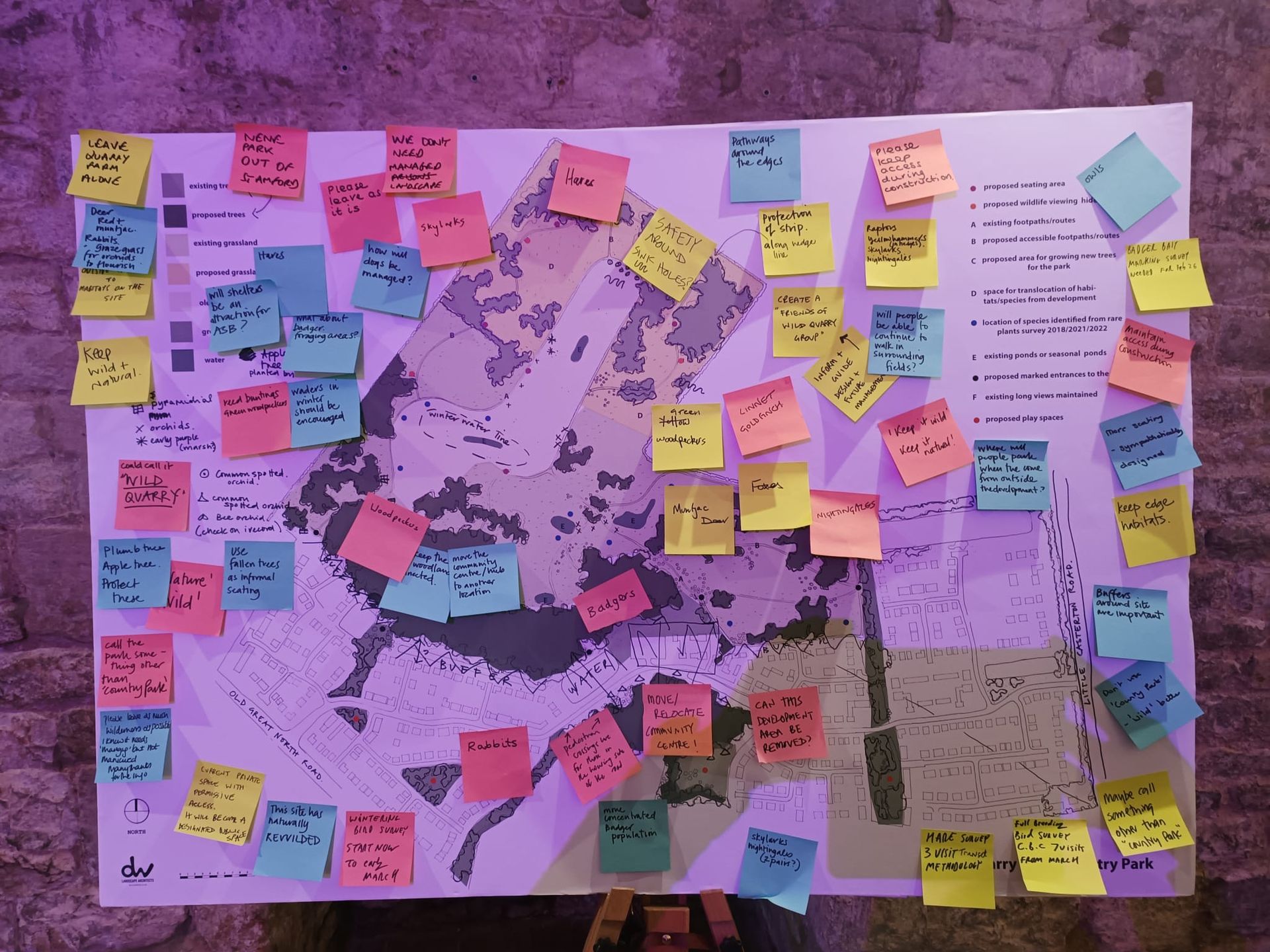
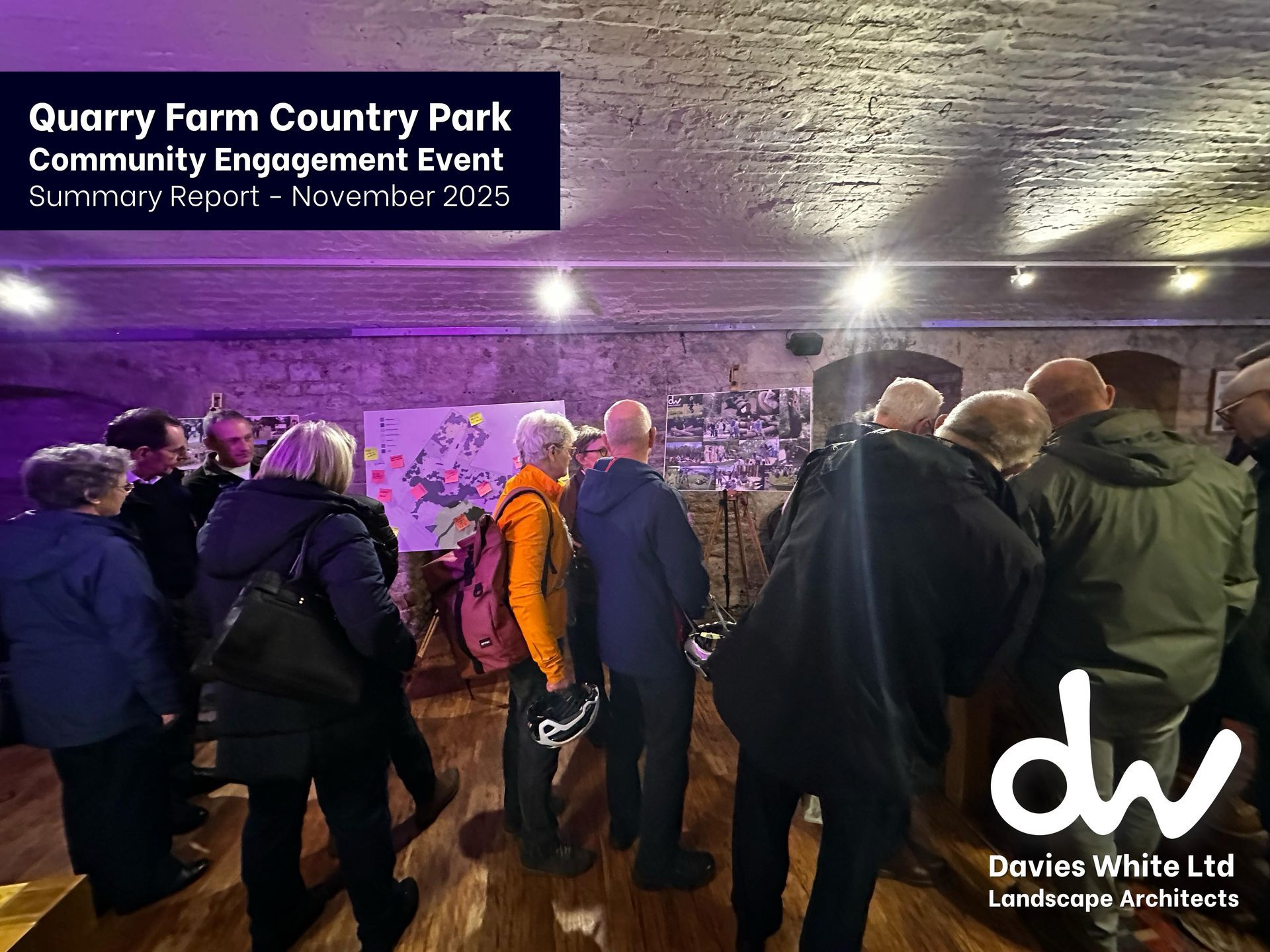
These ideas are already being realised in two our latest projects at Davies White Ltd Landscape Architects. With Nene Park Trust and Allison Homes just outside Stamford, we are shaping a landscape-first scheme where biodiversity, accessibility, climate resilience and community life guide every decision for the new Quarry Farm Country Park project.
Further south, at Alconbury Weald, we are working with Nene Park Trust and Urban & Civic on Prestley Country Park, a major new landscape south of Peterborough. Ecological restoration, inclusive access and long-term stewardship are being brought together to create a generous, resilient public landscape for people and wildlife.
If the last decade highlighted the importance of green infrastructure, the next will be about putting it to work not as a finishing touch, but as essential civic and ecological infrastructure. The landscapes we create must deal with heat, water and biodiversity in practical ways, while supporting wellbeing and community life. Arit’s Gardeners’ World feature showed a much wider national audience what this looks like on the ground. The Beth Chatto workshop and then the LI's, BALI's and Pro Landscaper's seminars all confirmed that our profession already has the tools, knowledge and experience to deliver such places consistently.
After hearing Chris Packham CBE and others call for stronger leadership back in November 2025, it is encouraging to see projects like Chattowood and our schemes in Cambridgeshire demonstrating how landscape-led thinking translates into real outcomes. When landscape shapes the brief from the start, the benefits; environmental and social are clear.
As we look to the decade ahead, the responsibility is ours: to apply these principles with purpose and collaboration, and to create landscapes that help communities and nature adapt and thrive.
Here at Davies White we are looking forward to sharing more about our two new housing and country park projects, the collaborative process behind them and how they are focused on delivering sustainable, biodiverse, inclusive and resilient public landscapes and private gardens as part of new housing developments; watch this space!
Recent Posts