

Harrison Ford recognised for environmental leadership in 2026
Harrison Ford’s next big role? ‘Saving life on Earth, basically’.
A conservationist for decades, the Hollywood icon is using his legendary status to make world leaders actually pay attention.

Harrison Ford has long been one of my heroes, not just for bringing to life Han Solo in Star Wars and Indiana Jones in the Indiana Jones film series, but for his long-standing commitment to protecting the natural world.

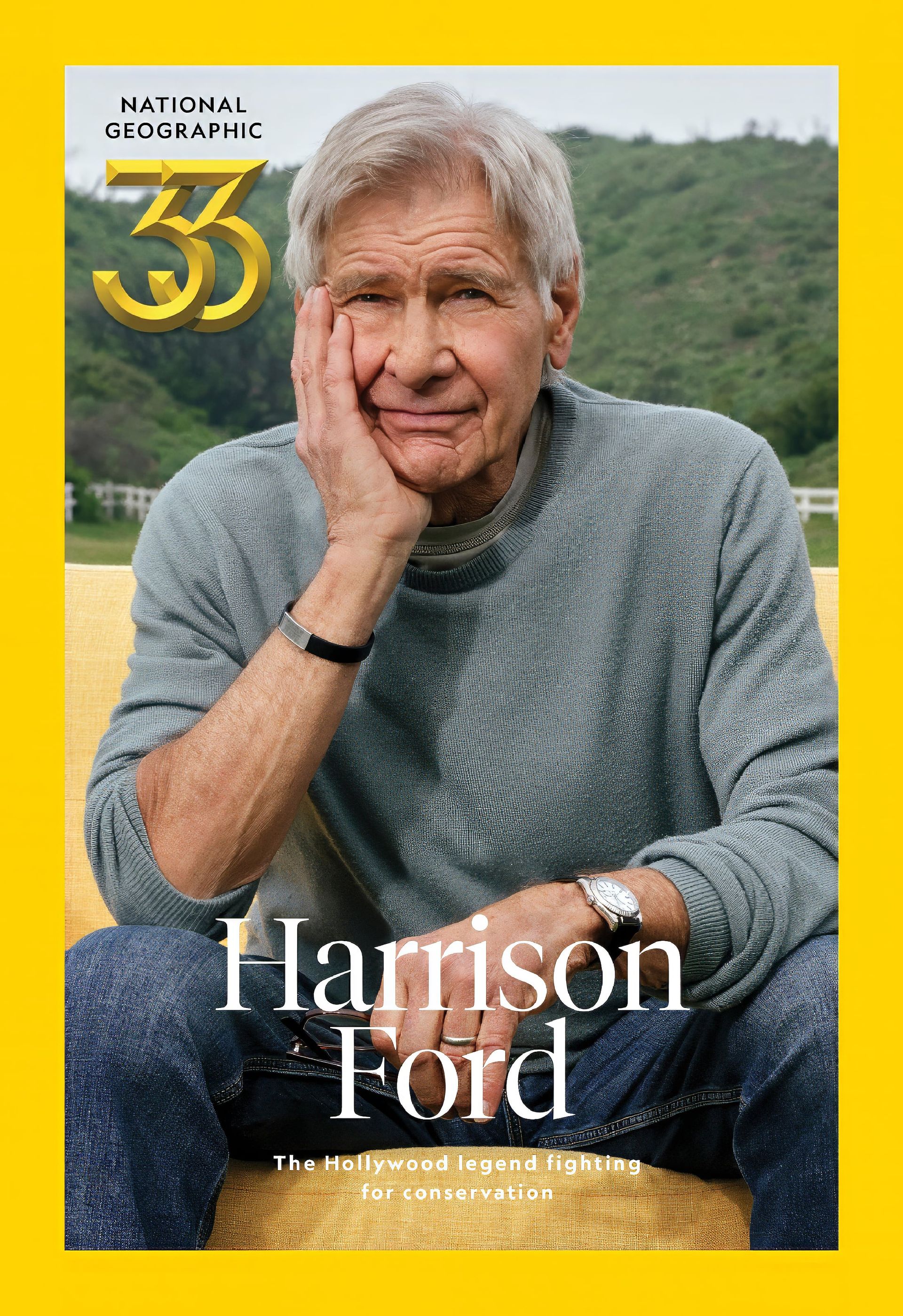
Recently recognised in National Geographic’s 2026 National Geographic 33, Ford is acknowledged for more than three decades of environmental leadership through his work with Conservation International, where he serves as Vice Chair.
National Geographic describes the initiative as rooted in a long-standing belief that individuals driven by a shared commitment to improving the world can have a profound impact. This conviction dates back to 1888, when the organisation’s 33 founders came together to expand understanding of the planet and humanity’s relationship with it. In that spirit, the National Geographic 33 recognises a diverse group of individuals working to address some of the most pressing challenges of our time, from climate change and biodiversity loss to social resilience and scientific innovation.
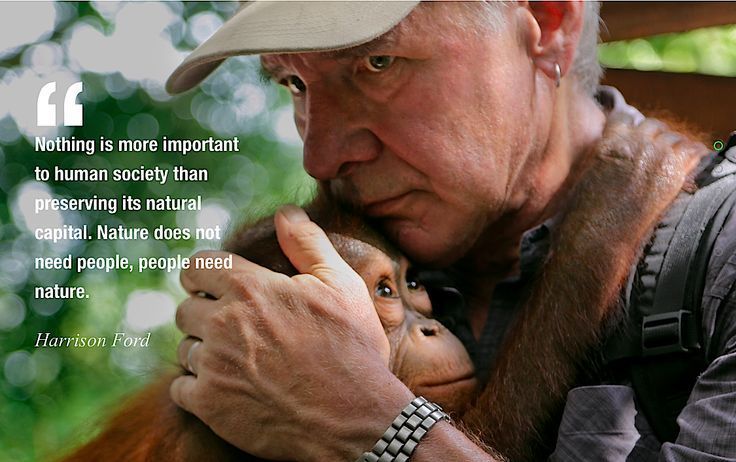
For 35 years, Ford has acted as a leading public advocate for Conservation International’s mission, which he describes simply as “saving life on Earth, basically.” Now in his eighties, he continues to work tirelessly, using his profile to help bring environmental priorities to the attention of global decision-makers.
Through Conservation International he has engaged directly with world leaders, including French President Emmanuel Macron, helping to build support for urgent action on issues such as wildfire protection in Brazil and international conservation agreements including the UN High Seas Treaty. His credibility stems not from a single campaign, but from decades of sustained involvement, demonstrating that this is a long-term commitment rather than a symbolic gesture.
It may surprise you to learn that Ford even has several species named after him, including a rare slender snake discovered in the Andes in 2022, Tachymenoides harrisonfordi, along with an ant and a spider that also bear his name. While there is humour in this, the recognition reflects genuine respect from the scientific community for his long-standing commitment to biodiversity. Ford himself typically plays this down, but his dedication has been anything but symbolic. For over 35 years he has helped bring global attention to the urgent need to protect forests, oceans and the ecological systems that sustain life on Earth.
Rather than stepping back from public life, Ford continues to use his influence to support meaningful environmental action. Through Conservation International he has helped ensure environmental issues remain firmly on the agenda at the highest level, recognising that meaningful progress requires both public engagement and political commitment.
Ford’s core message is both simple and profound: the natural systems that sustain human life cannot be replaced. Clean air, fresh water, fertile soil, pollinators and stable climates underpin our health, our economies and our collective future. Protecting nature is therefore not a niche concern, but a shared responsibility across generations and professions.
At Davies White Ltd we see first-hand how everyday contact with nature supports learning, wellbeing and long-term environmental stewardship. Harrison Ford’s message is refreshingly direct: we cannot provide for ourselves the things nature gives us for free. High-profile advocates help amplify this message globally, but its real impact is felt locally, through landscapes that enable children, families and communities to build meaningful connections with the living world around them.
You can read the full interview with Harrison Ford in this month’s edition of National Geographic.
Recent Posts