


Designing Gardens for Tomorrow’s Climate

By Adam White

Share this article

This summer’s heatwave has transformed gardens across the UK. Lawns have turned brown, borders are struggling and many homeowners are beginning to ask the same questions.

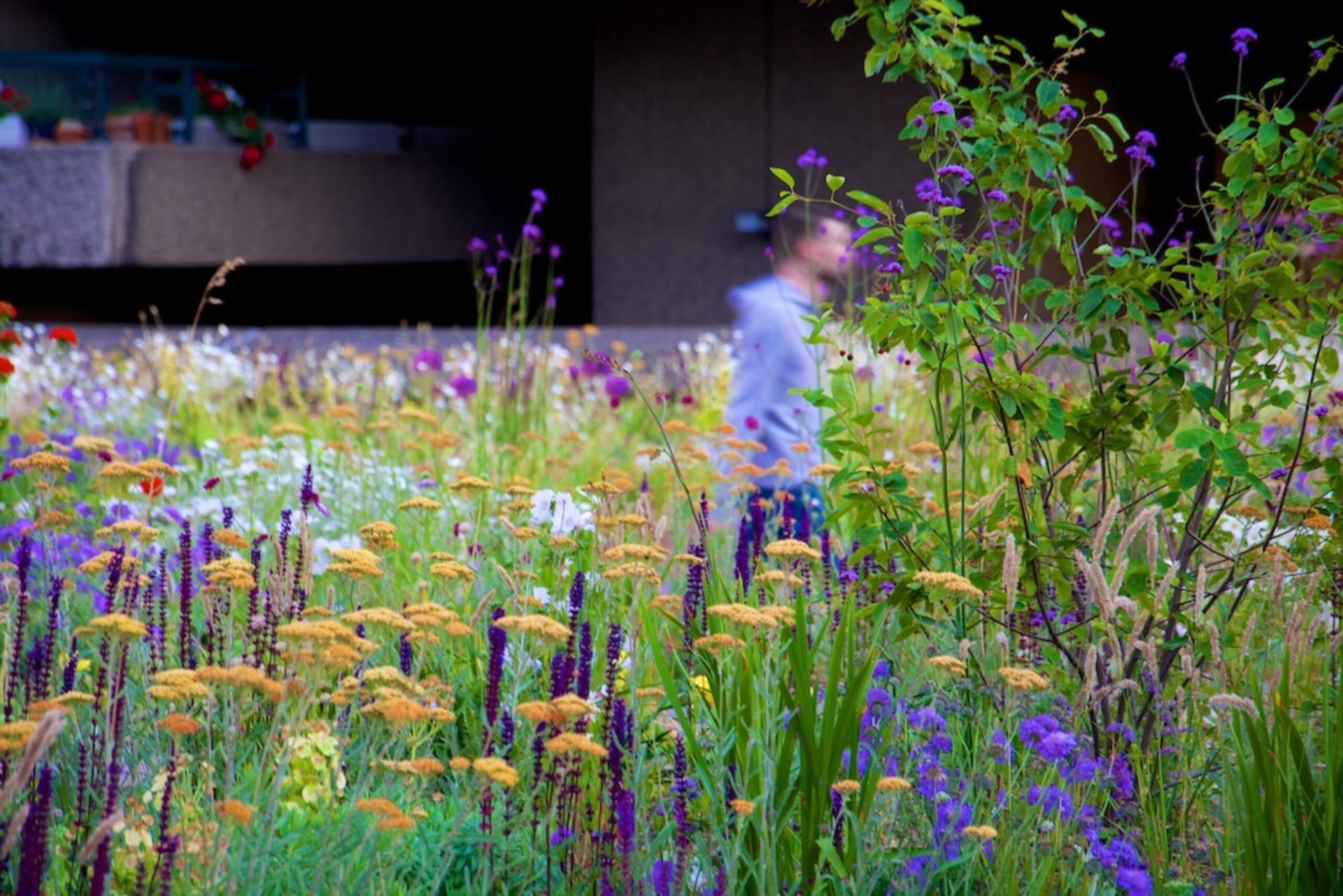
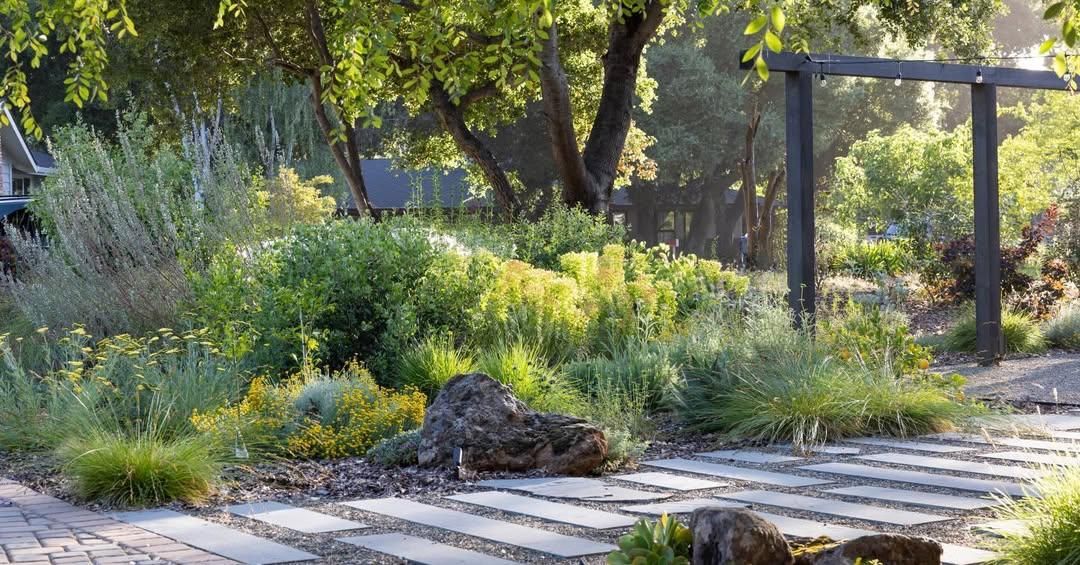
Photo courtesy of Nigel Dunnett - Barbican Estate and Shireen Zia - Perennials Retreat

How can a garden remain colourful without constant watering? Can it become easier to maintain as it matures? How do we create landscapes that support wildlife whilst still feeling beautiful and timeless? The biggest question of all is this: Are we still designing gardens for yesterday’s climate?


Across landscape architecture and garden design there’s a growing recognition that our approach to planting design must evolve. It’s no longer simply about choosing beautiful plants. It’s about creating landscapes that are resilient, biodiverse and capable of thriving in a changing environment.


Some of the world’s most respected designers, including Piet Oudolf, Tom Stuart-Smith, James Hitchmough and Nigel Dunnett have helped shape this thinking. Whilst each has a distinctive style, they share a common philosophy: working with nature, responding to place and creating landscapes that become richer with time rather than more demanding to maintain.


At Davies White, these principles underpin our own approach. Every project begins by understanding the character of a place before considering climate, biodiversity, maintenance, heritage and how people want to experience a landscape. We believe every site has its own story, and our role is to reveal it through thoughtful, site-led design rather than imposing a fashionable style. This philosophy has informed our work across country parks, public spaces, private gardens and heritage landscapes.


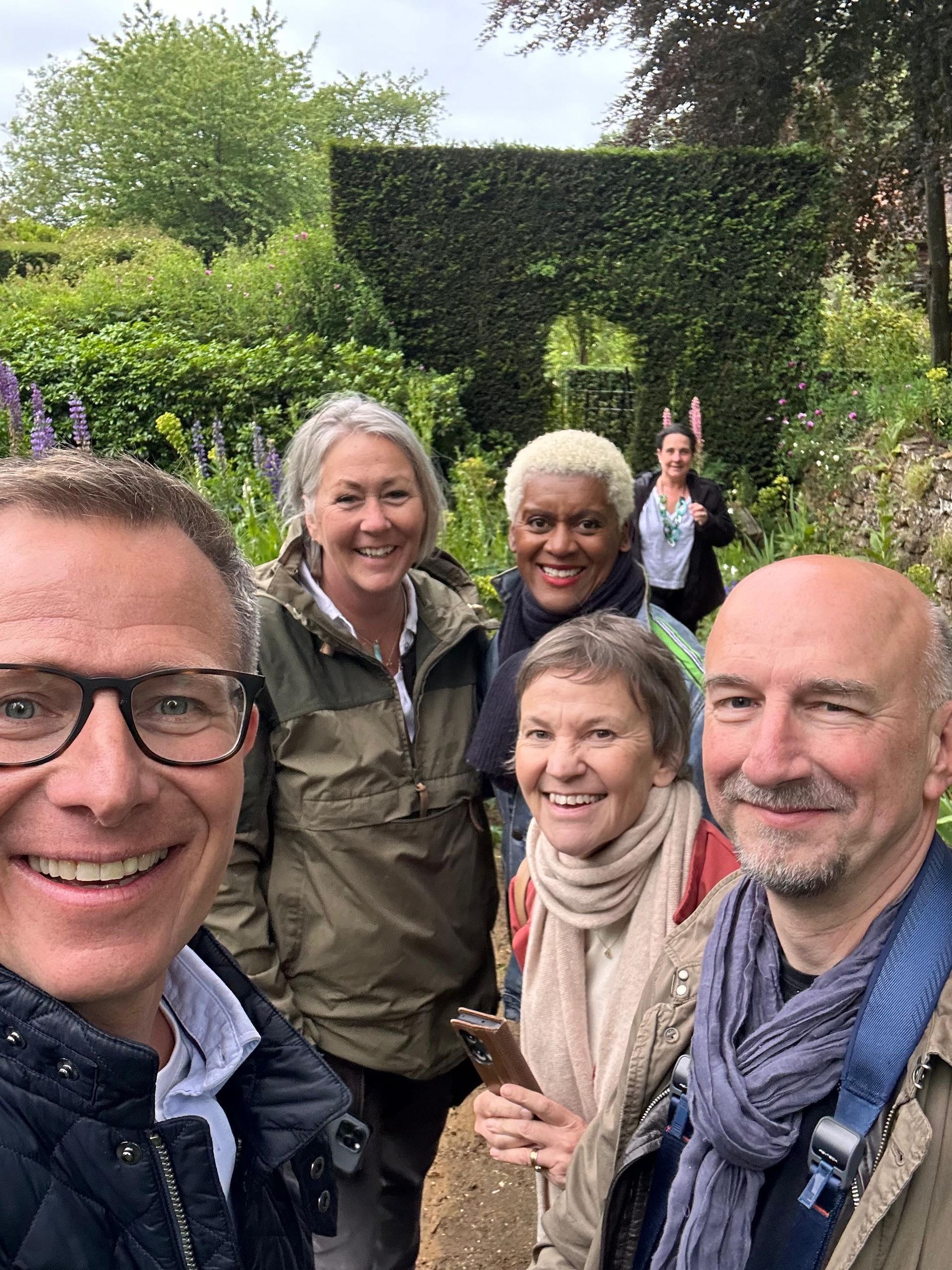
Most recently, we’re proud to be part of the landscape design team working with the National Trust on the restoration and reimagining of the historic gardens at Wimpole Hall in Cambridgeshire. Alongside fellow landscape architects and planting specialists, including Arit Anderson, Marian Boswall and Nigel Dunnett, the project is exploring how one of Britain’s most significant historic landscapes can evolve sensitively for the future whilst respecting its remarkable heritage.

Our team are also trustees of the Sustainable Landscape Foundation, the independent charity we established to encourage more sustainable decision-making throughout every stage of landscape planning, design and management. From soil health and water management to biodiversity, carbon and plant selection, our ambition is simple: to create landscapes that are beautiful, resilient and better prepared for a changing climate.

Five questions we ask before designing any landscape

1. Does every square metre need to be lawn?

Lawns have an important role to play, but not every space needs one. Sometimes a flowering meadow, ornamental grasses or naturalistic perennial planting can provide greater biodiversity, longer seasonal interest and significantly reduce water demand, whilst creating a richer and more immersive landscape.

2. Are we planting for tomorrow’s climate?

Selecting resilient plants, improving soil health and making better use of natural rainfall creates gardens that flourish through changing weather, not just ideal conditions.

3. Can the landscape become easier to manage over time?

A beautiful garden shouldn’t become a burden. The best landscapes mature gracefully, requiring less intervention as they establish whilst continuing to deliver colour, texture and seasonal interest.

4. Will it look beautiful throughout the year?

Great planting isn’t about one spectacular month. Structure, bark, grasses, seed heads and winter silhouettes ensure a landscape continues to delight throughout every season.

5. Does it truly belong to its setting?

The most memorable landscapes aren’t copies of someone else’s garden. They reflect the character of the architecture, the land and the people who will enjoy them, creating places that feel timeless rather than fashionable.

Further Reading

If this article has sparked your interest, these books provide an excellent introduction to the principles behind resilient, naturalistic planting and contemporary landscape design.

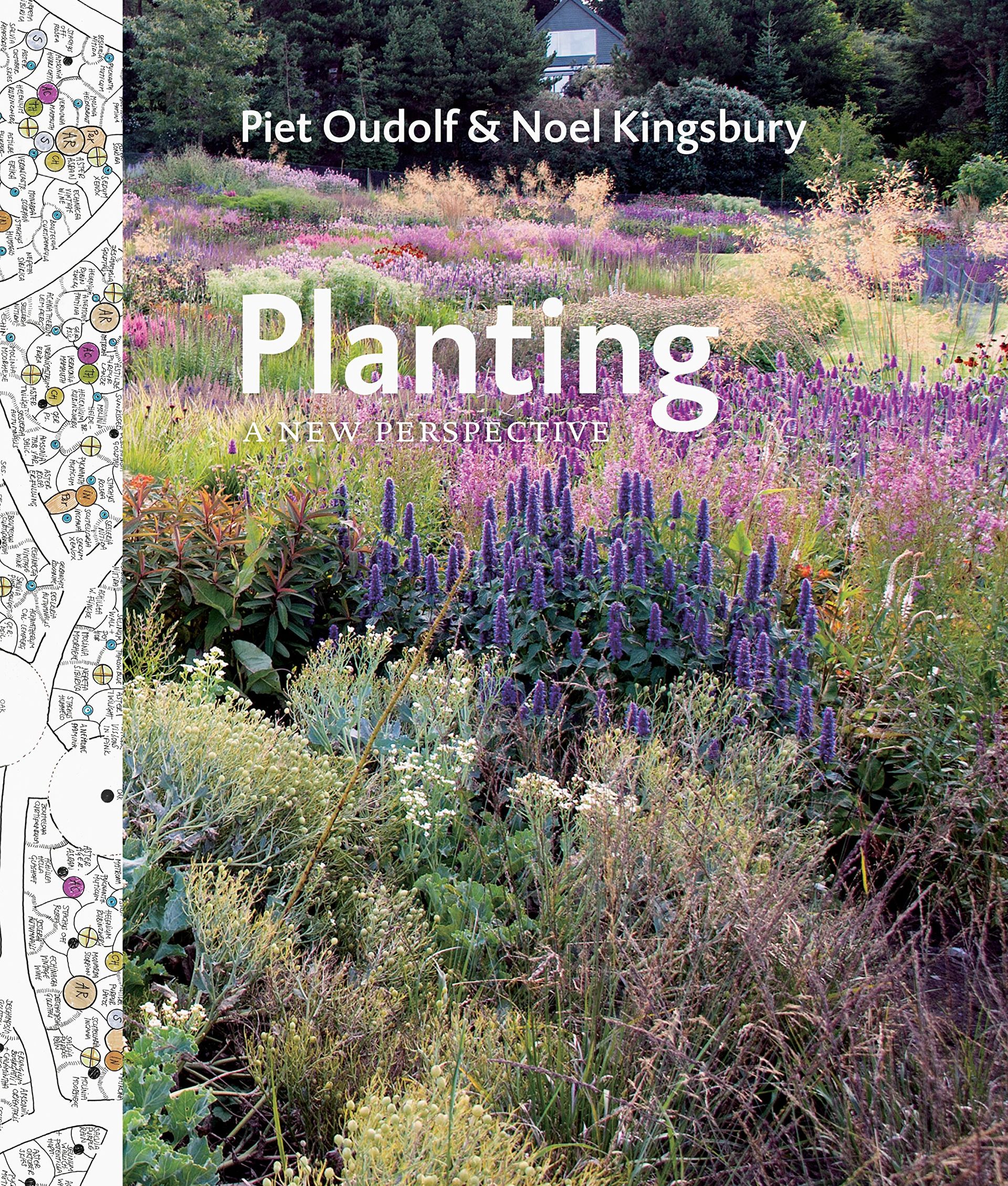
Planting: A New Perspective. Piet Oudolf & Noel Kingsbury.

An inspiring exploration of naturalistic planting, demonstrating how perennial planting can deliver movement, structure and year-round beauty whilst responding to changing environmental conditions.


Naturalistic Planting Design. Nigel Dunnett.

A highly regarded guide to designing biodiverse, climate-resilient landscapes that balance ecology, aesthetics and practical maintenance.


The Dynamic Landscape. James Hitchmough & Nigel Dunnett.

An influential book exploring how ecological plant communities can inspire beautiful, sustainable landscapes that mature gracefully over time.


These publications have influenced landscape architects, horticulturists and garden designers around the world. Their lasting message is that successful planting is rarely about following fashion; it’s about understanding nature, responding to place and creating landscapes that become richer with every passing season.

Thinking differently about your garden, estate or landscape, we’d be delighted to have a conversation.


Whether you’re restoring a historic landscape, reimagining a family garden or creating a new landscape from scratch, we’d be happy to explore how thoughtful, climate-resilient design can create a place that is both beautiful today and ready for tomorrow.


Get in touch with our team to start the conversation.

Contact Us

Recent Posts

Reflections on the LI Awards 2026, Dr Saira Ali’s vision for shaping the future
By By Adam White FLI PPLI - Photos by Nick Harrison FLI • November 19, 2026
Reflections on the Landscape Institute Awards 2026, Dr Saira Ali’s inspiring vision, celebrating excellence and turning ambition into action for the landscape profession.

The spectacular autumn colours of trees at The Savill Garden, from golden yellows to fiery reds.
By By Andree Davies • November 19, 2026
Explore how Davies White’s visit to The Savill Garden informs climate-resilient tree selection, biodiversity and the future of landscape architecture.
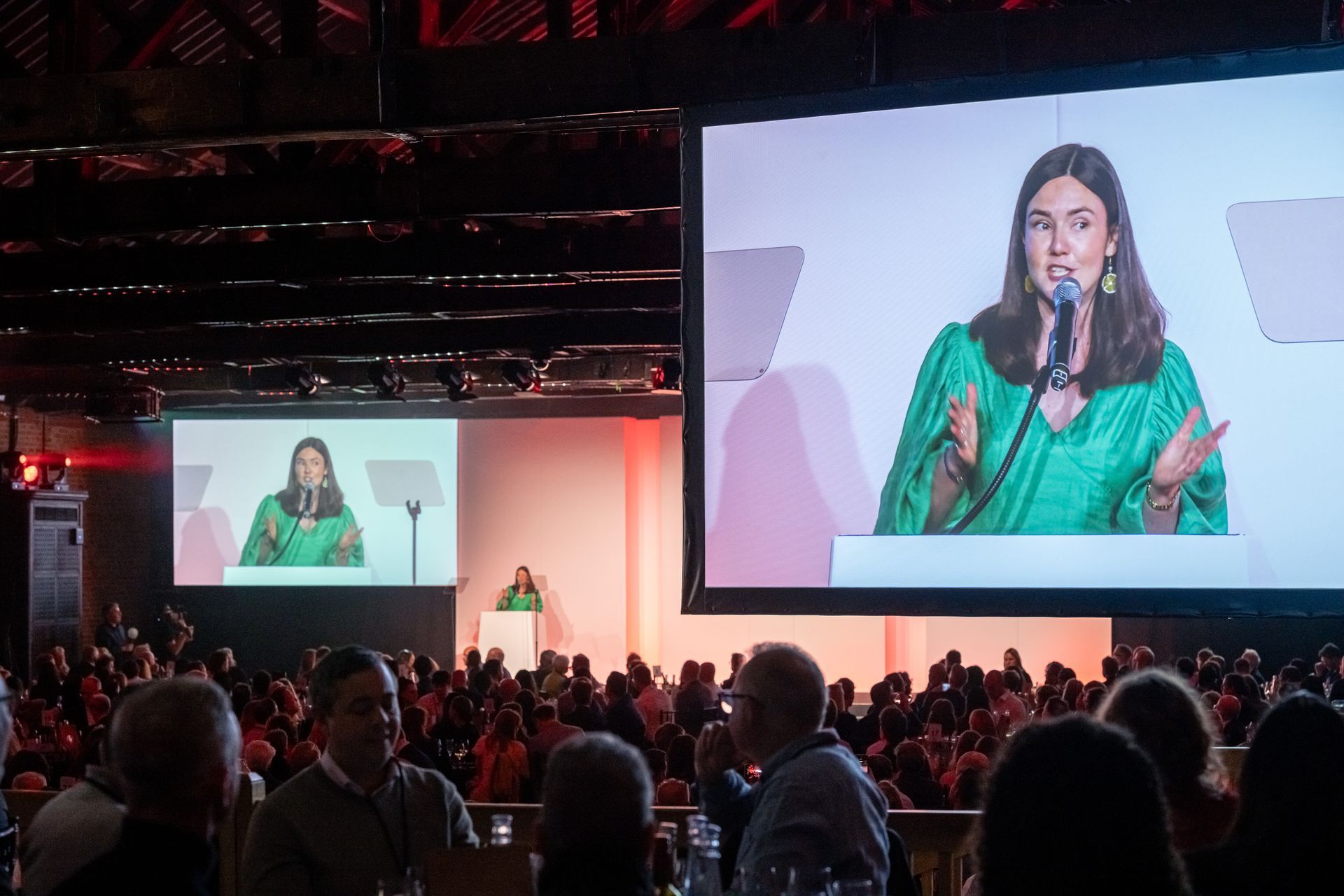
Maeve Campbell inspires climate action through powerful storytelling at the Landscape Institute Awar
By By Adam White FLI - Photos by Nick Harrison FLI • November 19, 2026
Maeve Campbell’s at the Landscape Institute Awards 2026 challenges landscape professionals to turn climate anxiety into action through storytelling and advocacy.
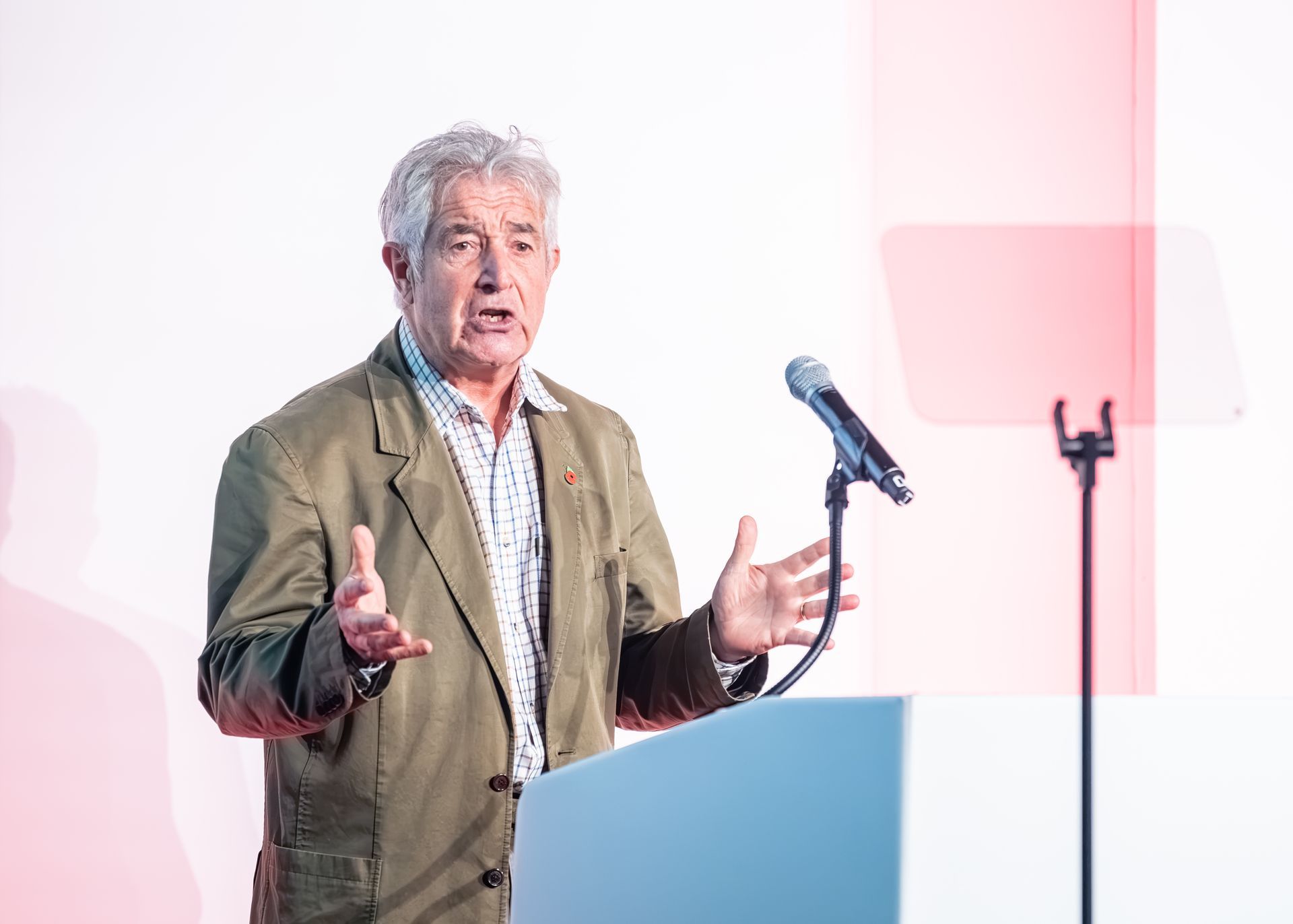
Dr Tony Juniper CBE, Chair of Natural England, delivering his keynote speech at the LI Awards
By By Adam White FLI PPLI - Photos by Nick Harrison FLI • November 19, 2026
Dr Tony Juniper’s keynote at the Landscape Institute Awards 2026 explores nature recovery, climate resilience, political short-termism and our landscape legacy.
Andrée reports back from her first Plant School study day at Kew Gardens, exploring how climate chan
By Andree Davies • November 4, 2026
Andrée reports back from her first Plant School study day at Kew Gardens, exploring how climate change is influencing future landscape design.

Dr Saira Ali FLI FRSA, Landscape Institute President and Bradford Council landscape leader, champion
By Adam White • October 22, 2026
Dr Saira Ali FLI FRSA, Landscape Institute President and Head of Landscape Design & Conservation at Bradford Council, championing inclusive, sustainable places.
By Community Engagement Project • September 18, 2026
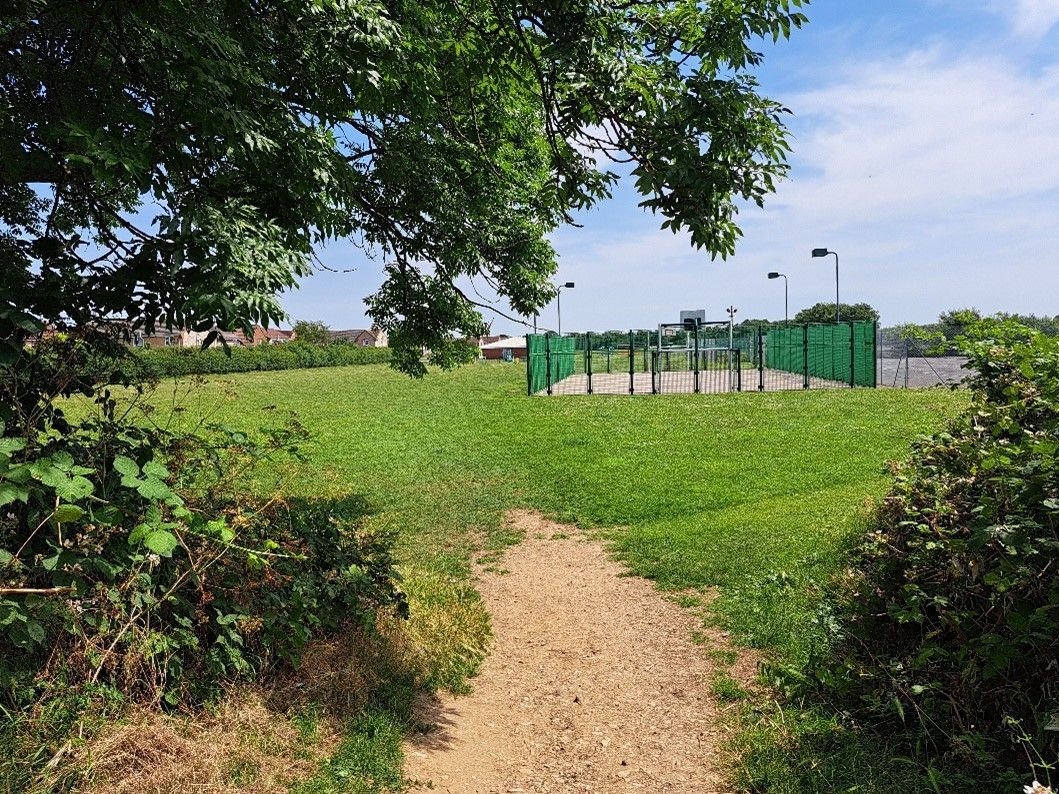
Davies White Landscape Architects are delighted to have been appointed by Bracebridge Heath Parish Council to engage the local community and develop a new masterplan for the Recreation Ground on Bath Road.
By Adam White • September 11, 2026
The Landscape Institute’s From Evidence to Impact: Delivering Healthy Urban Development conference opened with a deceptively simple question: how do we make healthier places the default rather than the exception? 
By Adam White • August 17, 2026
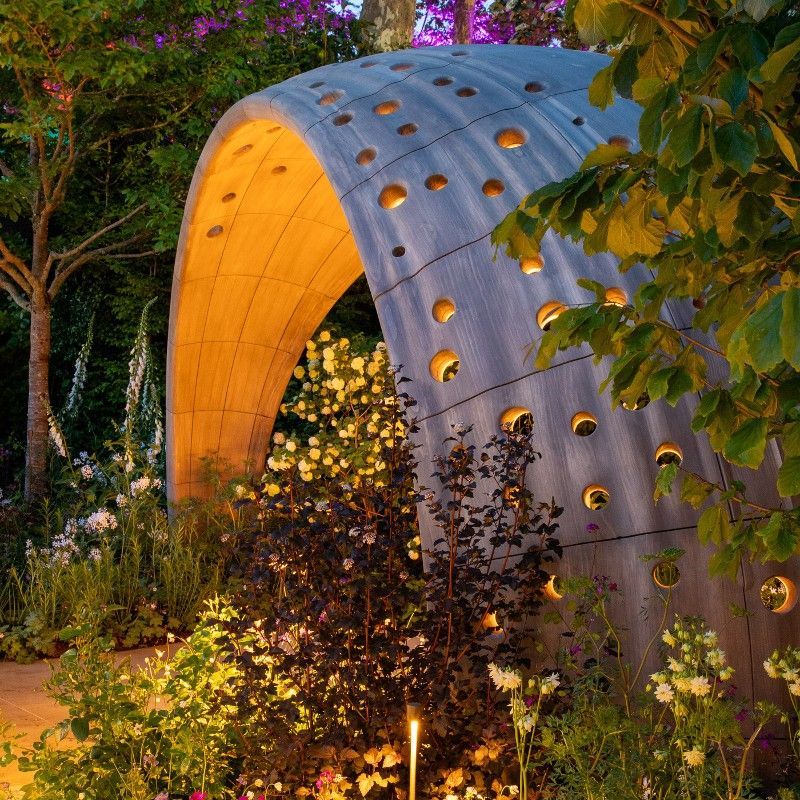
A therapeutic garden is not defined by a particular planting palette, piece of equipment or design style. Its value lies in what the landscape enables people to experience: movement, choice, independence, connection, participation, comfort and moments of quiet.

By By Adam White • August 17, 2026
Family, nature and the simple joy of swimming in the sea with Watson … the moments that become the memories we carry with us.

Show More