
Chris Packham’s Call to Leadership – National Emergency Briefing
Chris Packham’s keynote made clear that hope is not passive. Hope is created through action
This week I listened to Chris Packham CBE deliver a powerful and uncompromising keynote address to a room of policymakers, advisors, scientists, environmental leaders and professionals from across the UK’s nature, climate and land-use sectors. His message was direct, deeply informed, and intentionally uncomfortable: we are running out of time, and the cost of further delay will be measured not in inconvenience, but in lives, ecosystems and futures lost.
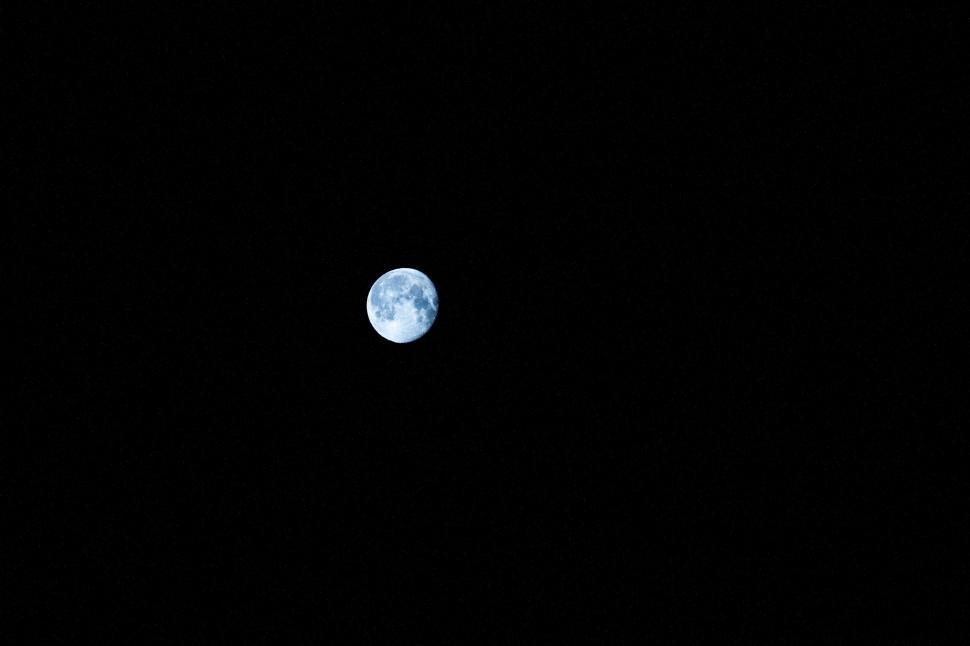
Packham opened with a reminder of our shared home – the “pale blue dot” that holds every life that has ever existed. It is a simple truth we overlook too easily: there is nowhere else. Everything we depend on is here. And yet, despite our intelligence and ingenuity as a species, we continue to undermine the natural systems that make our existence possible.
He set out four critical themes:
First, the structural failures of global climate politics. COP30, he noted, has once again demonstrated that consensus-driven structures are unable to deliver the level of urgent, binding action the science demands. Fossil fuel influence remains strong, ambition is diluted, and the world moves forward at a pace far slower than the risks require.
Second, he highlighted the erosion of public understanding through misinformation. When the public cannot access clear, evidence-based information, and when media narratives are shaped by vested interests, it becomes harder for society to recognise the scale of the crisis – and harder still for politicians to act boldly.
Third, he drew parallels with recent UK governance failures. The COVID Inquiry revealed what happens when evidence is ignored and scientific advice sidelined. Decisions came too late; lives were lost unnecessarily. Packham reminded us that the same pattern persists in environmental policy, citing the continued badger cull – a programme sustained despite the government’s own scientific evidence advising against it.
Finally, he underlined what is truly at stake: not thousands, not millions, but billions of lives across human and non-human communities. Climate breakdown and biodiversity loss are no longer abstract trends; they are measurable, accelerating and already affecting people and nature across the UK and the world.
Listening to him, I was struck by how closely his analysis aligns with the Landscape Institute’s messaging in 2025. The UK Climate Change Committee’s latest Adaptation Progress Report has already warned that we are inadequately prepared for rising heat, increased flooding, water scarcity and ecosystem decline. As a profession, we know that landscape is not peripheral to this challenge it is central.
A landscape-led approach provides integrated, nature-based and place-based solutions across land, water, infrastructure, health, development and the economy. It reduces risk, increases resilience, restores biodiversity and supports long-term wellbeing. This is the case we have made consistently at the Landscape Institute: landscape is critical infrastructure.
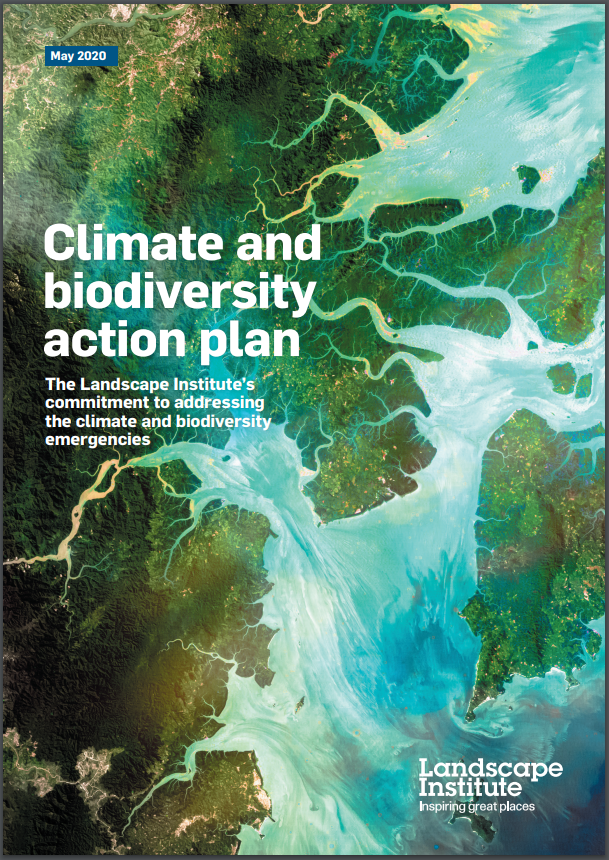
During my presidency of the LI in 2019–2020, we declared a climate and biodiversity emergency the first UK built environment body to do so and set out our Climate and Biodiversity Action Plan. The message we shared then remains true today:
“When we look back on this moment, we must be certain that our actions have truly helped to safeguard life in all its forms on this planet not just for today, but for generations to come.”
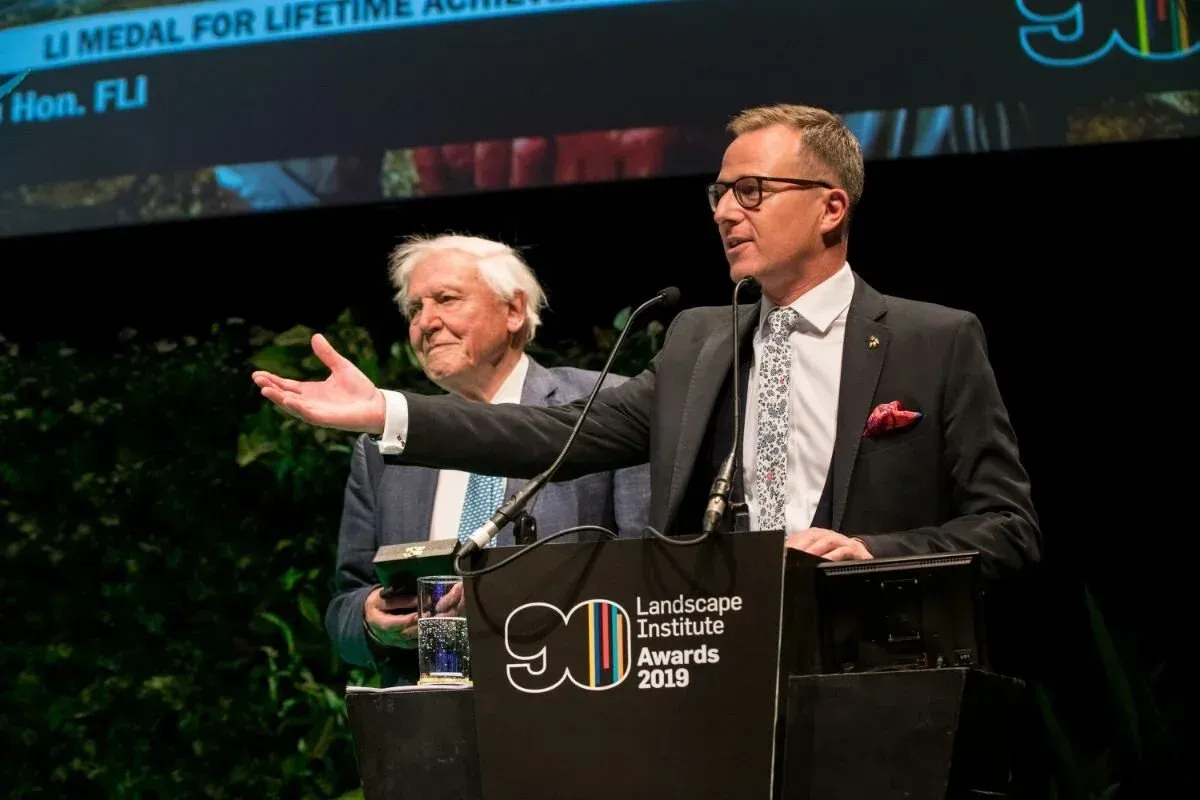
That call to responsibility echoed something Sir David Attenborough said to me later that same year, when I presented him with the Landscape Institute’s Lifetime Achievement Award and made him an Honorary Fellow of the Landscape Institute.
In his characteristically gentle but uncompromising way, he traced the arc of our understanding: from the early days of collecting rare animals for spectacle, to the realisation that saving a species means saving its ecosystem, and now to the truth that the entire planet is the ecosystem at risk. “We are at a hinge moment,” he warned. Our task is not simply to protect distant wildernesses but to help people reconnect with the natural world on their own doorstep because most humans now live in cities, disconnected from the very systems that sustain them. Sir David said, “You have a great responsibility to bring the realities of the natural world to the understanding and the love of human beings worldwide.” His words remain a profound reminder that our work is not just technical or aesthetic: it is educational, cultural and deeply moral. Landscape architects are uniquely placed to help society rediscover that connection and in doing so, to safeguard the life-support systems on which we all depend.
Chris Packham’s keynote made clear that hope is not passive. Hope is created through action. As landscape professionals, we have a responsibility to act: to champion nature-based solutions, to shape places that are resilient and biodiverse, to influence policy, to lead with evidence, and to help communities adapt to a rapidly changing world.
Our work touches every part of the climate and nature agenda – water, habitat, heat, soil, carbon, health, equity and placemaking. Chris and several other informed, educated and inspiring speakers addressed the room of decision-makers, but his message applies to all of us. Let future generations see that we listened, that we acted, and that we helped protect the only home we will ever have.

What the other speakers had to say, a short summary:
Prof Nathalie Seddon:
Nature should be treated as essential national infrastructure. Our current economic model is destroying the very systems it depends on. We need an economy that works with nature, not one that strips it bare.
Prof Kevin Anderson: Staying below 1.5°C is no longer realistic. We are heading into conditions that threaten the stability of civilisation itself. Incremental tweaks won’t cut it only rapid deployment of proven measures and a shift toward “private sufficiency and public luxury” will.
Prof Hayley Fowler: Extreme weather is escalating faster than climate models predicted. A catastrophic, Europe-scale flood in the UK sounds impossible until it arrives.
Prof Tim Fenton:
Major climate tipping points, including the potential collapse of the AMOC that keeps the UK temperate, could be triggered at under 2°C of warming. Only firm government policy, regulation and taxation can spark the positive tipping points we need in energy, transport and heat.
Prof Paul Behrens:
Our food system is undermining the natural foundations it relies on. Shifting what we eat and how we produce it delivers multiple wins: lower emissions, healthier landscapes, and reduced pressure on the NHS.
Prof Hugh M:
Like many health threats, people find it hard to act on risks that feel distant or uncertain. Climate change must be re-framed as a health emergency the danger is guaranteed, and the consequences are severe.
Lt Gen Richard Nugee CB CVO CBE:
Climate change amplifies global security risks, fueling conflict, resource pressures and population displacement. Without action at the true scale of the threat, our institutions may not cope.
Angela Francis & Tessa Khan:
The current market setup makes climate action harder than it should be, but the transition itself is economically favourable. Renewables rely on free fuel, ever-cheaper tech, and enormous efficiency gains. We’ve transformed energy systems before; we can do it again, and this time more fairly. Angela Francis’ breakdown of the economic myths blocking progress is well worth reading.
In moments like this, it becomes clear that we need to continue to inspire the next generation of landscape professionals people who will carry this work forward long after us. www.chooselandscape.org showcases the creativity, purpose and societal value of a career in landscape, inviting young people to see themselves as future custodians of our planet.
If you would like to become involved and join us as #chooselandscape ambassadors, then simply click on the link to contact and find out more.